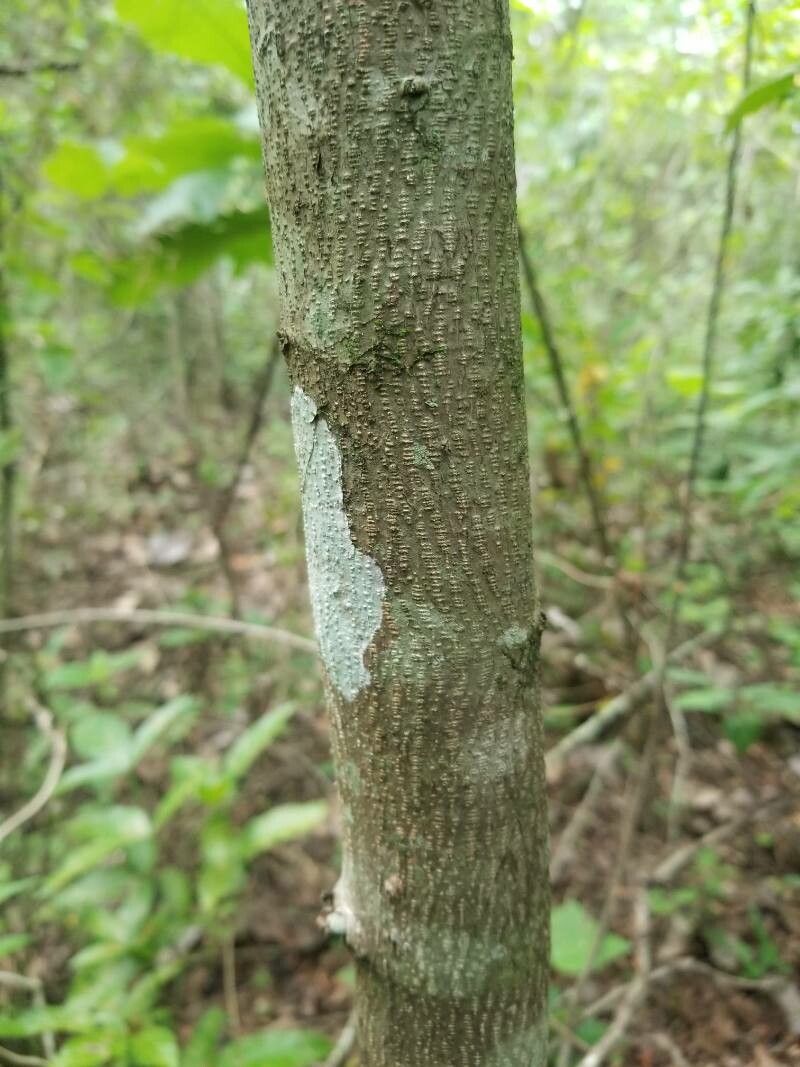
Oh, hello there! It’s so lovely to have you join me in my little corner of the garden. Today, we’re diving into something truly special: Annona holosericea. If you’ve ever seen this beauty, with its lush greenery and the promise of delicious, exotic fruits, you know why it has such a hold on us plant lovers. Propagating it isn’t just about getting more plants; it’s about unlocking that natural magic and bringing a piece of its wonder into your own space. For beginners, I’d say it leans towards moderately challenging, but with a little patience and the right approach, you’ll be celebrating success in no time!
The Best Time to Start
Timing is everything, isn’t it? For Annona holosericea, the sweet spot for propagation is definitely during its active growth period. Think of late spring through early summer. This is when the plant is buzzing with energy, pushing out new shoots and ready to heal and root. You’ll want to select material from healthy, non-flowering stems that are firm but not woody. Snap one off – does it spring back a little? That’s a good sign!
Supplies You’ll Need
Gathering your tools beforehand makes the whole process so much smoother. Here’s what I always have on hand:
- Sharp Pruning Shears or a Craft Knife: Cleanliness is key for preventing disease.
- Rooting Hormone: A powdered or liquid form will do wonders.
- Well-Draining Potting Mix: I like a blend of equal parts perlite, peat moss, and a bit of coarse sand. Or, a good quality succulent/cactus mix works well too.
- Small Pots or Seed Trays: Whatever you have that will hold your cuttings securely. Make sure they have drainage holes!
- Plastic Bags or a Clear Dome: To create a humid microclimate.
- Watering Can with a Fine Rose: For gentle watering.
- Rubbing Alcohol: For sanitizing your tools between cuts.
Propagation Methods
While Annona can be grown from seed, it often doesn’t come true to type, meaning the fruit might not be the same as the parent plant. For that reason, stem cuttings are my go-to method for ensuring you get exactly what you have.
Stem Cuttings (The Most Reliable Way)
- Select Your Cutting: Look for a healthy stem about 4-6 inches long. This is often called a semi-hardwood cutting. It should have several sets of leaves and be firm but still bendable.
- Make the Cut: Using your clean shears or knife, make a clean cut just below a leaf node (where a leaf attaches to the stem). This is where the magic happens for root formation.
- Prepare the Cutting: Gently remove the leaves from the bottom half of the cutting. You can leave a couple of leaves at the very top, but prune them in half if they are very large to reduce water loss.
- Apply Rooting Hormone: Dip the cut end of the stem into your chosen rooting hormone, tapping off any excess.
- Plant Your Cutting: Fill your small pot with the well-draining mix. Make a small hole with a pencil or your finger and gently insert the cut end of the stem. Firm the soil gently around the base.
- Create Humidity: Water the soil thoroughly but gently. Then, carefully place a clear plastic bag over the pot, creating a tent. You can use stakes to keep the bag from touching the leaves. Alternatively, use a clear propagation dome.
- Find a Warm Spot: Place the pot in a bright location that receives indirect sunlight. Avoid direct sun, as it can scorch the leaves and overheat the pot.
The “Secret Sauce” (Pro Tips)
Now, a few little tricks that have helped me over the years:
- The “Wounding” Trick: For slightly tougher cuttings, after applying the rooting hormone, you can very gently scrape away a thin sliver of the outer bark on one or two sides of the bottom inch of the stem. This “wounding” can encourage more vigorous root development.
- Bottom Heat is Your Friend: If you can, place your pots on a heated seed propagator mat. This gentle warmth from below mimics spring soil temperatures and really speeds up root formation. It’s a game-changer!
- Never Let Leaves Drip: When watering, make sure water doesn’t collect on the leaves and then sit there. Moisture trapped on foliage can lead to fungal issues and rot, especially in a humid environment.
Aftercare & Troubleshooting
Once your cuttings are nestled in their pots, the waiting game begins! Keep the soil consistently moist but not soggy. You should see new growth appearing on your cuttings within 4-8 weeks, though it can sometimes take longer. The real confirmation of success is when you feel a gentle tug when you lightly pull on the cutting, indicating roots have formed.
Watch out for rot, which usually appears as blackened, mushy stems. If you see this, unfortunately, that cutting is likely lost. Prevent it by ensuring excellent drainage and avoiding overwatering. If leaves start to yellow and drop, it might be a sign of not enough light or too much water. Adjust accordingly!
A Encouraging Closing
Propagating Annona holosericea is a journey, and like all good things, it requires a little patience. Don’t be discouraged if not every cutting takes – that’s just part of the learning process. Celebrate the successes, learn from any setbacks, and most importantly, enjoy the wonder of watching new life emerge from your efforts. Happy gardening!
Resource:
https://identify.plantnet.org/k-world-flora/species/Annona%20holosericea%20Saff./data