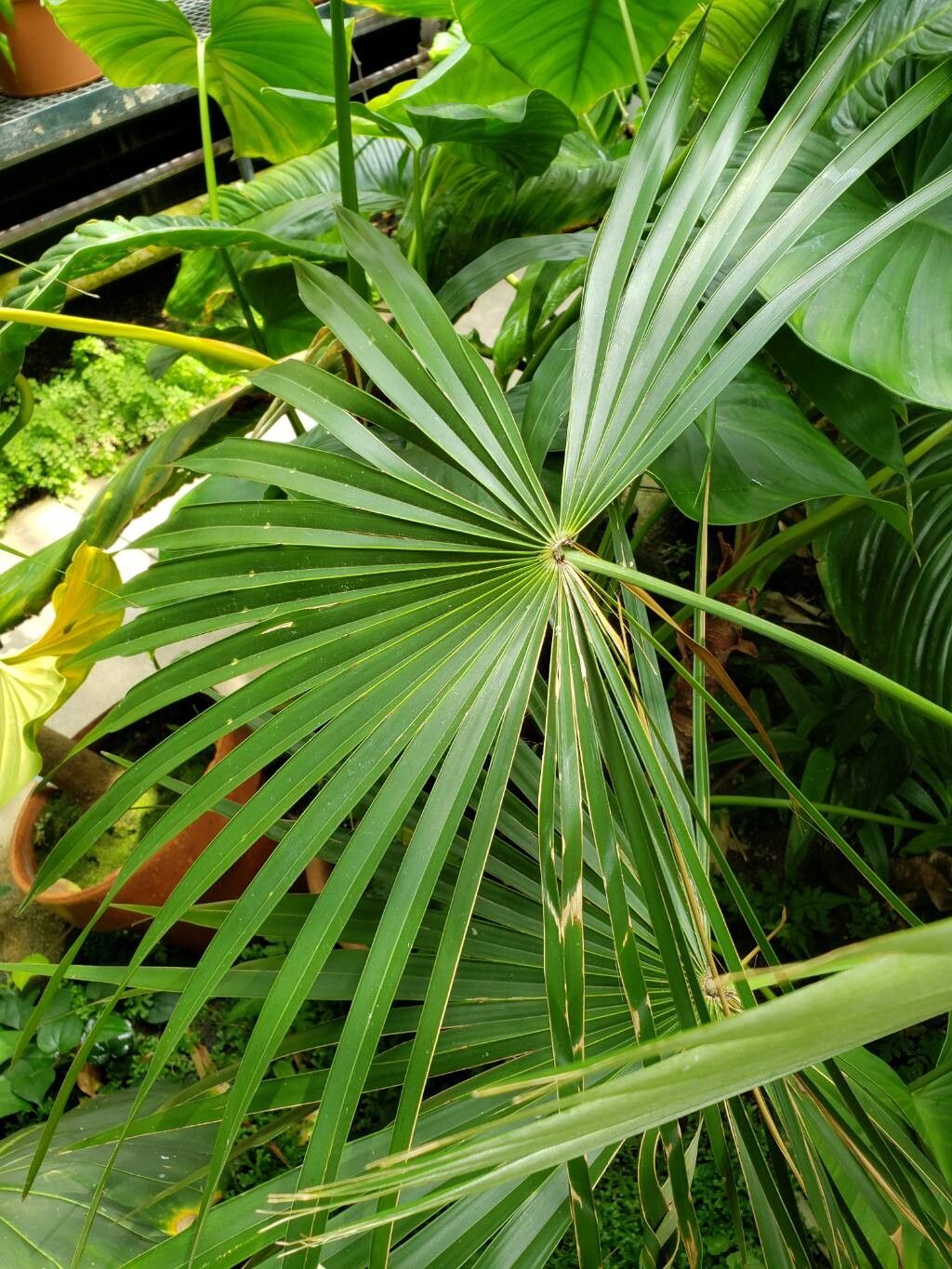
Hello fellow plant lovers! Today, I want to share a little bit of magic with you – the art of coaxing new life from Coccothrinax crinita. Isn’t this palm just stunning? Its shaggy, coir-like covering makes it truly unique, like a miniature, wild elder of the palm world. Propagating these beauties can feel like a special achievement, a way to fill your garden or home with more of that charming wildness. Now, I’ll be honest, Coccothrinax crinita isn’t the easiest palm to start from scratch, but with a little know-how and patience, it’s absolutely doable and incredibly rewarding.
The Best Time to Start
For palms like Coccothrinax crinita, the warmest months are generally your best bet. Think late spring through early autumn, when the plant is actively growing and days are long and sunny. This period gives any new propagation the best chance to establish before cooler weather sets in.
Supplies You’ll Need
Here’s what I always have on hand when I’m ready to propagate:
- Sharp, clean pruning shears or a small saw: For making precise cuts.
- A well-draining potting mix: A blend of perlite, orchid bark, and a good quality potting soil works wonders for palms. Think airy!
- Small pots or propagation trays: Clean ones are a must to prevent disease.
- Rooting hormone (optional but recommended): A powdered form is easy to work with.
- Plastic bags or a propagation dome: To create a humid environment.
- Watering can with a fine rose: For gentle watering.
- Rubbing alcohol or bleach solution: To sterilize your tools.
Propagation Methods
Coccothrinax crinita is most commonly propagated from seeds. While you might encounter divisions if your plant is exceptionally large and has offsets, mature plants are less likely to readily produce them. So, let’s focus on the seed route, which is where the adventure truly begins!
Seed Propagation:
- Source Your Seeds: Ideally, you’ll have access to fresh seeds from a mature, fruiting Coccothrinax crinita. If you’re buying them, look for reputable suppliers who specify freshness.
- Clean the Seeds: Gently remove any remaining fruit pulp from the seeds. A soft brush and a bit of water can help.
- Soak the Seeds: Soak the seeds in warm water for 24-48 hours. This helps to soften the seed coat and encourage germination. Change the water periodically.
- Prepare Your Medium: Fill your pots or trays with your well-draining potting mix. Moisten it thoroughly but ensure it’s not waterlogged.
- Sow the Seeds: Plant the seeds about half an inch to an inch deep in the soil. Space them a few inches apart if using a larger tray.
- Create a Humid Environment: Cover the pots or tray with a clear plastic bag or a propagation dome. This will trap moisture and create the humid conditions seeds need to sprout. Place it in a warm location.
- Provide Warmth and Light: Germination can be slow and erratic. Keep the soil consistently moist but not wet. A bit of gentle bottom heat, like from a seedling heat mat, can significantly speed things up. Place the pots in bright, indirect light.
- Be Patient! This is where it really tests you. Germination can take anywhere from a few months to over a year. Don’t give up!
The “Secret Sauce” (Pro Tips)
- Scarification is Your Friend: For Coccothrinax crinita seeds, sometimes just soaking isn’t enough. You might need to gently nick the seed coat with a sterile knife or file before soaking. Just a tiny scratch is all it takes to break through the hard outer layer and allow water to penetrate. Be careful not to damage the embryo inside.
- The Warmth Factor is Crucial: Palms, especially those from tropical climes like this one, love warmth. If your germination room gets cooler than 70°F (21°C) at night, using a seedling heat mat is definitely worth the investment. It mimics the consistent tropical warmth they need.
- Don’t Over-Water the Germinating Seeds: While humidity is key, constantly soggy soil will lead to rot. Allow the surface of the soil to dry out slightly between waterings. A good test is to gently press the soil with your finger. If it springs back, it’s likely moist enough within.
Aftercare & Troubleshooting
Once you see that first tiny sprout push through the soil, it’s a moment of pure joy!
- Gradual Acclimatization: As soon as your seedling has a few leaves, gradually begin to ventilate the propagation cover. Poke a few holes in the bag or lift the dome for increasingly longer periods over a week or two. This helps the young palm adjust to lower humidity.
- Continued Bright, Indirect Light: Keep the seedling in a spot with bright, indirect light. Direct sun can scorch delicate new leaves.
- Gentle Watering: Continue to keep the soil moist but not soggy. Water thoroughly when the top inch of soil feels dry.
- Signs of Trouble: The biggest culprit is usually rot. If you see yellowing leaves that quickly turn black and mushy, or a fuzzy mold on the soil surface, it’s a sign of overwatering or poor drainage. Unfortunately, once rot sets in, it can be hard to save. Prevention is key! If seeds simply fail to sprout after a long period, they may have been unviable or the conditions weren’t quite right. Don’t be discouraged; just try again with fresh seeds and adjusted practices.
A Little Bit of Encouragement
Propagating Coccothrinax crinita is a journey that requires patience and a keen eye. There will be times when you wonder if anything is happening, but trust the process. Celebrate every tiny sign of life, learn from any setbacks, and most importantly, enjoy the wonderful experience of coaxing new life from a seed. Happy gardening!
Resource:
https://identify.plantnet.org/k-world-flora/species/Coccothrinax%20crinita%20(R.D.Hoyt)%20Becc./data