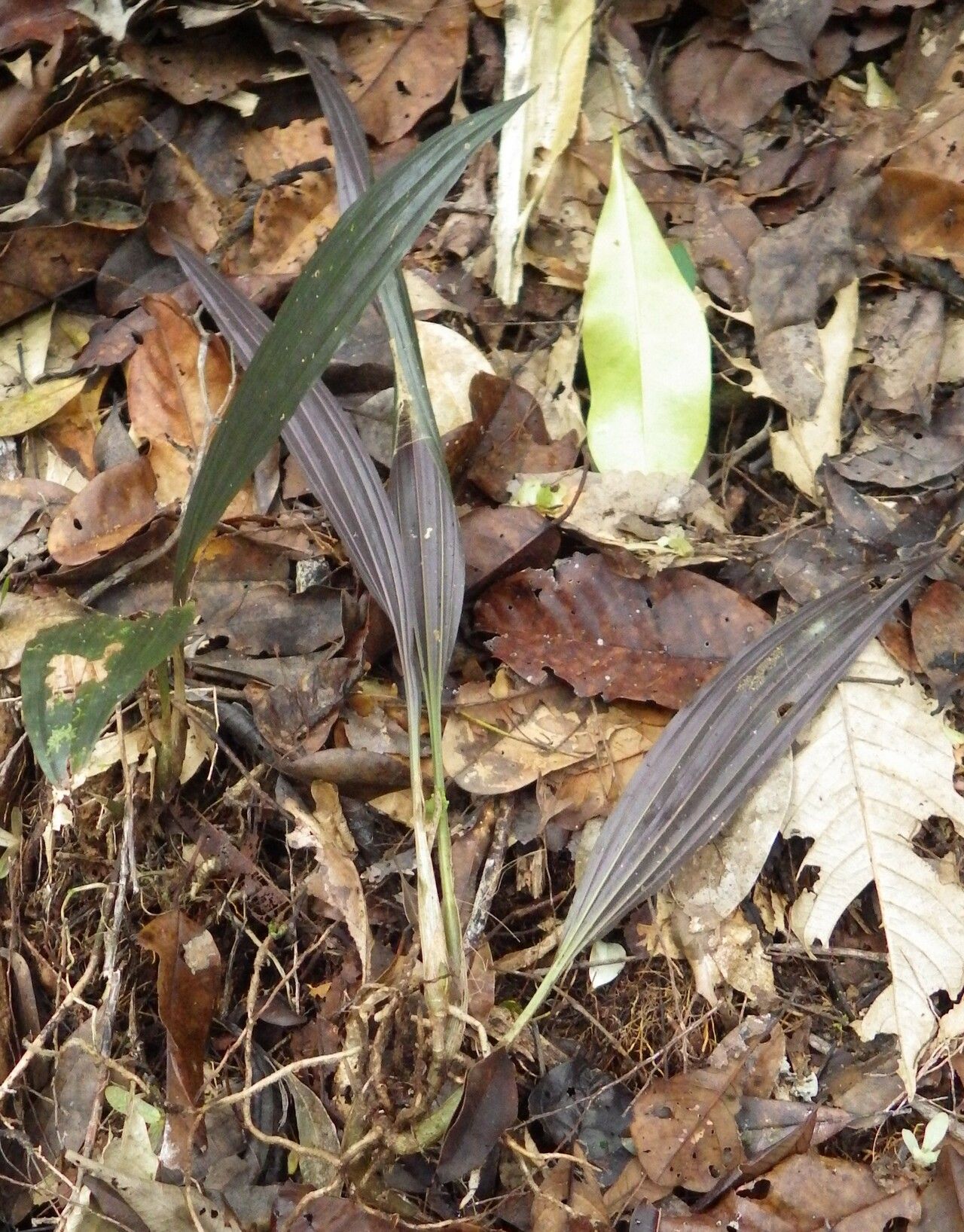
Ah, Plocoglottis lowii! I remember the first time I saw one of these beauties. Their elegant leaves, often with such intriguing patterns, just draw you in. They bring a unique touch of the tropics right into our homes. And the joy of creating more of them from a single plant? That’s incredibly rewarding. Now, if you’re a complete beginner, I’d say Plocoglottis lowii is a medium challenge. It’s not as forgiving as a pothos, but with a little attention and a few key practices, you’ll do wonderfully.
The Best Time to Start
For Plocoglottis lowii, the sweet spot for propagation is definitely during its active growing season. Think late spring through summer. This is when the plant has the most energy to put into creating new roots and shoots. Trying to propagate when it’s resting will likely lead to disappointment. You want to catch it when it’s vibrant and ready to expand!
Supplies You’ll Need
Gathering your supplies beforehand makes the whole process so much smoother. Here’s what I usually have on hand:
- Sharp, clean pruning shears or a knife: Sterilize them with rubbing alcohol to prevent disease.
- Potting mix: A well-draining mix is crucial. I love using a blend of orchid bark, perlite, and a bit of coco coir. You can also buy specialized aroid mixes.
- Small pots or containers: Clean ones, of course! Anything from nursery pots to repurposed yogurt cups with drainage holes will work.
- Rooting hormone (optional but recommended): This gives your cuttings a little boost. Gel formulations are my favorite.
- Clear plastic bags or a humidity dome: To help maintain moisture levels.
- Watering can or spray bottle: For gentle watering.
Propagation Methods
I’ve found the most reliable way to multiply my Plocoglottis lowii is through division. It’s straightforward and often gives you a good number of new plants from the start.
Method: Division
- Gently remove the plant from its pot: Tip the pot on its side and ease the root ball out. If it’s stuck, a gentle tap around the rim usually helps.
- Inspect the root system: Look for natural divisions where the plant is already splitting. You might see several pseudobulbs (the bulbous structures at the base of the leaves) clustered together.
- Separate the divisions: Using your sterilized pruning shears or knife, carefully cut through the roots and rhizomes that connect the distinct sections. Aim to leave each division with at least 2-3 pseudobulbs and a healthy root system. You don’t need to be too afraid to cut; the plant is tougher than it looks.
- Pot the divisions: Place each division into its own pot filled with your new, well-draining potting mix. Make sure the top of the rhizome is at or just slightly below the soil surface.
- Water lightly: Give them a gentle watering to settle the soil.
The “Secret Sauce” (Pro Tips)
Here are a couple of things I’ve learned over the years that really help:
- Don’t overcrowd: When repotting or dividing, give each new plant enough space. Cramming them into tiny pots too soon can lead to root rot because the soil stays wet for too long.
- Mimic the humidity: Plocoglottis lowii loves a humid environment. After dividing and repotting, I like to place the new divisions in a clear plastic bag or under a humidity dome. Make sure to open it up for a bit of fresh air every day or two to prevent mold.
- Patience is paramount: Seriously, these plants can take their sweet time sending out new leaves and roots. Don’t be discouraged if you don’t see much action for a few weeks. Just keep them in the right conditions.
Aftercare & Troubleshooting
Once your new Plocoglottis lowii divisions are potted up, continue to keep them in bright, indirect light. Water them when the top inch or so of the soil feels dry. As they establish, they’ll start to grow new leaves.
The most common issue you’ll encounter is root rot. This usually happens if the soil stays too wet for too long, or if you’ve used a potting mix that doesn’t drain well. Signs of rot include yellowing, mushy leaves, and a foul smell from the soil. If you spot this, act fast! Gently unpot the plant, trim away any rotted roots (they’ll look dark and mushy), and repot into fresh, dry soil.
If a division doesn’t seem to be doing anything after several weeks, don’t give up immediately. Sometimes, they’re just quietly building up their root system. Keep an eye on it, but don’t overwater out of impatience.
A Encouraging Closing
Propagating your Plocoglottis lowii is a journey, and like all good gardening adventures, it’s filled with learning and little victories. Be patient with your new plants, trust the process, and most importantly, enjoy the satisfaction of growing your collection. Happy gardening!
Resource:
https://identify.plantnet.org/k-world-flora/species/Plocoglottis%20lowii%20Rchb.f./data