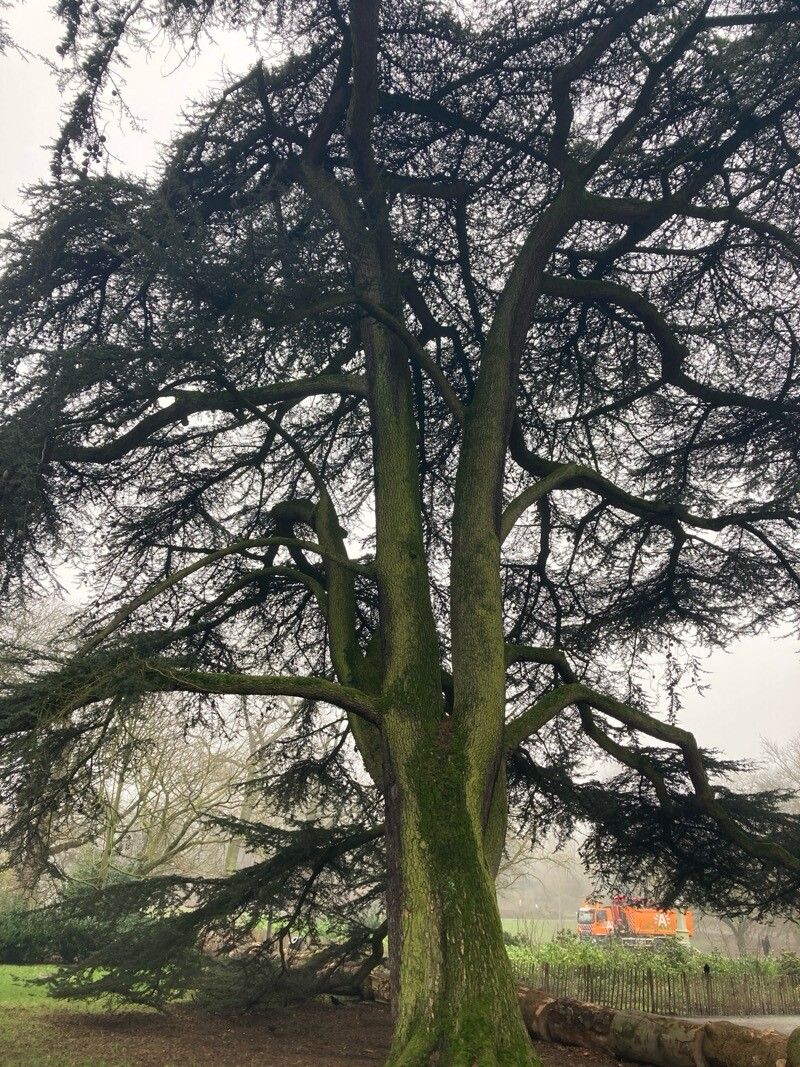
Oh, the noble Cedar of Lebanon! If you’ve ever stood in awe beneath one of these magnificent trees, with their ancient branches reaching out like wise old arms, you know exactly why they capture our hearts. Their fragrant evergreen needles, stately form, and sheer longevity make them a true treasure in any landscape. And the thought of coaxing even a tiny seedling into life from your own efforts? Well, that’s a special kind of magic. Now, I won’t sugarcoat it – propagating Cedrus libani can be a bit of a journey, not necessarily for the absolute beginner, but certainly achievable with a little patience and the right approach. The reward? A living piece of history you nurtured yourself.
The Best Time to Start
For Cedars of Lebanon, late winter or early spring, just as the plant is beginning to stir from its winter dormancy but before new growth really takes off, is your sweet spot. This is when the plant’s energy is gearing up, and cuttings taken now have a good chance of rooting before the heat of summer sets in. You can also have success with softwood cuttings taken in early summer, as the new growth is still pliable, but the winter approach is generally more robust for this species.
Supplies You’ll Need
Before we get our hands dirty, let’s gather our tools:
- Sharp, clean pruning shears or a grafting knife: Essential for making clean cuts that heal well.
- Rooting hormone powder or gel: This is your secret weapon, encouraging those roots to form faster. Look for one formulated for woody cuttings.
- A well-draining potting mix: I like a blend of coarse horticultural sand, perlite, and peat moss (or coco coir as a more sustainable option). Aim for about a 1:1:1 ratio.
- Small pots or propagation trays: Clean pots are a must to avoid introducing diseases.
- A clear plastic bag or propagation dome: This creates a humid microclimate for your cuttings.
- Watering can with a fine rose attachment: Gentle watering is key.
- Bottom heat source (optional but recommended): A propagation mat can significantly speed up rooting.
- Labels and a permanent marker: Don’t lose track of what you’re growing!
Propagation Methods
While growing from seed is an option, it can take a very long time to get a substantial plant, and not all seedlings will be true to the parent. For a more hands-on and rewarding experience, stem cuttings are your best bet.
Stem Cuttings:
- Select your wood: Look for healthy, current-year’s growth on your established Cedar of Lebanon. You want pieces that are firm but not yet woody and old. Aim for cuttings about 4-6 inches long.
- Make the cut: Using your sharpest shears, take your cuttings. Cut just below a leaf node. A node is where a leaf attaches to the stem. This is where much of the rooting hormone and new root development will occur.
- Prepare the cutting: Gently remove the lower leaves from the bottom 2-3 inches of the cutting. You can leave the tip foliage intact. The goal is to have a clean stem where you’ll apply the hormone.
- Apply rooting hormone: Dip the cut end of the stem into the rooting hormone, ensuring the bottom nodes are well-coated. Tap off any excess.
- Pot them up: Fill your clean pots or trays with your prepared potting mix. Make a hole in the center of the mix with a pencil or your finger.
- Insert the cutting: Place the hormone-coated end of the cutting into the hole, and gently firm the soil around it. Make sure at least one or two leaf nodes are buried beneath the soil surface.
- Water gently: Water the potting mix thoroughly but gently. You want it moist, but not waterlogged.
- Create humidity: Cover the pot with a clear plastic bag, securing it around the rim with a rubber band, or place it under a propagation dome. This traps moisture, preventing the cutting from drying out.
The “Secret Sauce” (Pro Tips)
- Keep it clean, always! This cannot be stressed enough. Dirty tools or pots are a direct invitation for disease. I always give my shears a quick wipe with rubbing alcohol between cuts.
- Don’t let the leaves touch the water. If you’re doing a method where the stem might sit in water (though cuttings are better in soil for Cedars), ensure the foliage stays dry. Wet leaves on a cutting are a prime spot for rot to take hold.
- Bottom heat is your friend. If you have a propagation mat, place your potted cuttings on it. This gentle warmth from below encourages root development in a way that just ambient room temperature often can’t match. It makes a real difference!
Aftercare & Troubleshooting
Once your cuttings are planted and covered, place them in a bright spot out of direct sunlight. Too much sun can scorch the tender foliage.
The key now is consistent moisture and high humidity. Check the soil moisture every few days – it should feel damp, not soggy. If the soil surface looks dry, give them a very gentle watering. You might also want to lift the plastic bag for a few minutes each day to allow for some air circulation, preventing fungal issues.
How do you know they’re rooting? You might see new growth appearing at the tip or in the leaf axils. A gentle tug on the cutting will also reveal resistance if roots have formed. This can take anywhere from 6 weeks to several months, so patience is paramount!
The main issue you’ll encounter is rot. If a cutting turns black and mushy, it’s likely succumbed to rot. This is usually due to overwatering and poor air circulation. Unfortunately, rotten cuttings cannot be saved, but you can often salvage others if you address the conditions. If you see wilting or yellowing leaves, it could be a sign of insufficient moisture or too much direct sun.
A Encouraging Closing
Propagating a Cedar of Lebanon is a fulfilling endeavor. It’s about participating in the life cycle of a truly remarkable tree. Be patient, observe your little charges closely, and don’t get discouraged if not every cutting makes it. Each attempt is a learning experience. So, go ahead, gather your supplies, and give it a try. There’s a deep satisfaction in watching those first tiny roots unfurl, knowing you helped bring another majestic Cedar of Lebanon into the world. Happy gardening!
Resource:
https://identify.plantnet.org/k-world-flora/species/Cedrus%20libani%20A.Rich./data