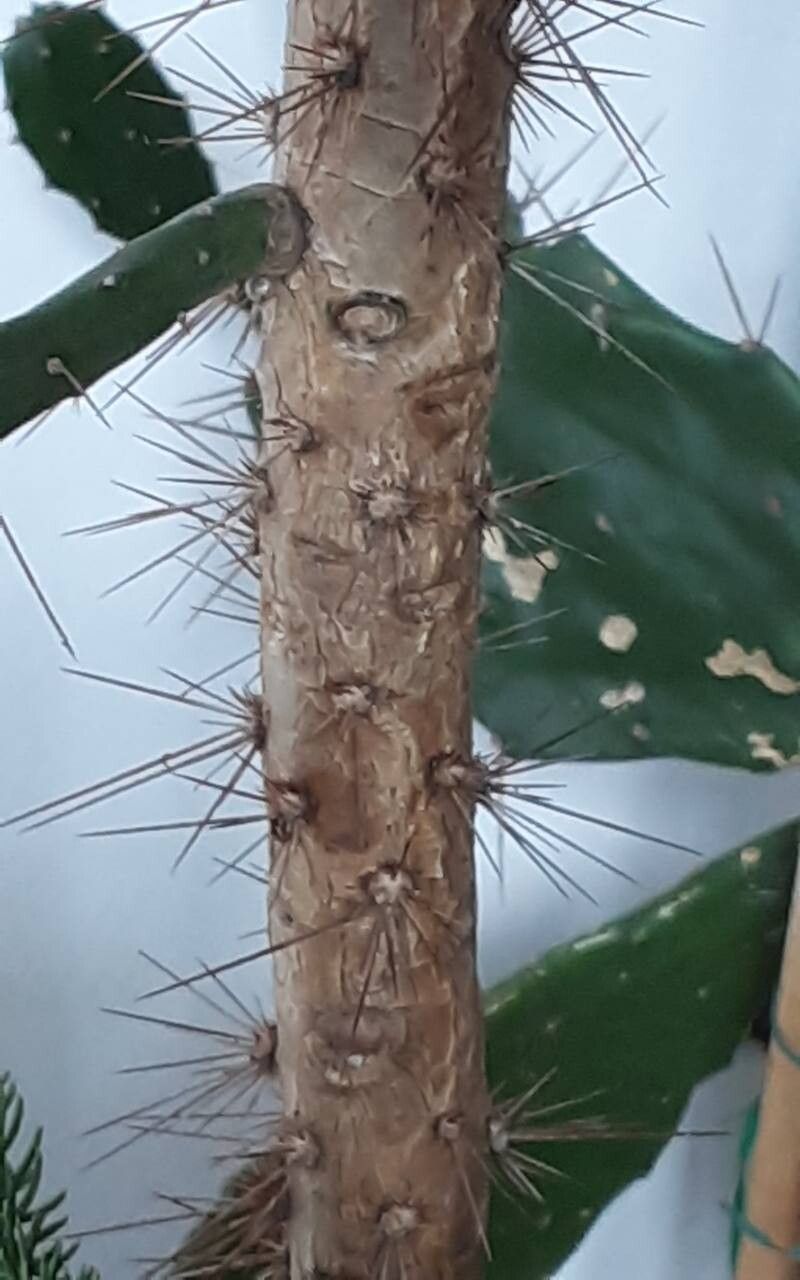
Oh, hello there! Pull up a chair, grab your favorite mug, and let’s chat about one of my favorite prickly pals: Brasiliopuntia brasiliensis. This little gem, with its flattened, segmented pads and charming, almost tree-like growth habit, brings a delightful touch of the tropics to any sunny spot. And the best part? It’s surprisingly rewarding to multiply!
Now, if you’re just starting your propagation journey, don’t you worry. While some succulents can be a bit fiddly, I find Brasiliopuntia brasiliensis to be a pretty encouraging plant to propagate. It’s not overly fussy with the right approach, and watching those tiny roots emerge is just pure joy.
The Best Time to Start
For the highest success rate with Brasiliopuntia brasiliensis, I always aim to propagate during its active growing season. This typically means late spring through early summer. During this time, the plant is full of energy, making it much more eager to root and grow. You can also have some luck in the early fall, but I’ve personally found spring offers the most robust results.
Supplies You’ll Need
Gathering your tools beforehand makes the whole process so much smoother! Here’s what I usually have on hand:
- Sharp, clean pruning shears or a knife: For making clean cuts.
- Rooting hormone (optional, but recommended): A little boost can speed things up. Look for one formulated for succulents.
- Well-draining potting mix: A cactus and succulent mix is perfect. You can also make your own by combining equal parts potting soil, perlite, and coarse sand.
- Terra cotta pots or seed trays: These allow for good airflow and drainage.
- Gloved hands or tongs: For handling those spiky bits!
- A spray bottle: For gentle misting.
Propagation Methods
Brasiliopuntia brasiliensis is wonderfully versatile, and stem cuttings are my go-to.
Stem Cuttings:
- Select a healthy pad: Look for a mature, plump pad from a healthy parent plant. You can also take sections of stem that have grown from a pad.
- Make the cut: Using your clean pruning shears or knife, make a clean cut where the pad or stem segment joins the main plant. Try to get a piece that’s at least a few inches long.
- Allow to callus: This is a crucial step! Do NOT try to plant it immediately. Lay the cutting in a dry, warm place out of direct sunlight for several days to a week. You want the cut end to form a dry, protective callus. This prevents rot when you eventually plant it.
- Apply rooting hormone (optional): Once callused, you can dip the cut end into rooting hormone powder, tapping off any excess.
- Planting: Fill your chosen pot with your well-draining potting mix. Gently insert the callused end of the cutting about an inch or two into the soil. You might want to use a chopstick to make a pre-made hole to avoid disturbing the callus too much.
- Initial watering: Wait a day or two after planting before giving it its first very light watering. The goal is to slightly moisten the soil, not soak it.
The “Secret Sauce” (Pro Tips)
Here are a few little tricks I’ve picked up over the years that often make a big difference:
- Don’t rush the callus: I cannot stress this enough. A fully callused cutting is a happy cutting. If you plant too soon, you’re practically inviting rot. Patience here pays off enormously.
- Use bottom heat: If your home is on the cooler side, or you’re propagating in early spring, placing your pots on a gentle heat mat can significantly speed up the rooting process. The warmth encourages root development.
- Avoid overwatering like the plague: Especially in the early stages, these cuttings are very susceptible to rot. It’s always better to err on the side of too dry than too wet.
Aftercare & Troubleshooting
Once your cutting is planted, the waiting game begins. Keep it in a bright spot, but avoid harsh, direct afternoon sun until you see signs of new growth. Water sparingly, only when the soil has completely dried out. You can gently tug on the cutting after a few weeks; if there’s resistance, you’ve got roots!
The most common issue you’ll encounter is rot. If you notice the cutting turning mushy, black, or developing a foul odor, it’s likely succumbing to rot. Unfortunately, there’s not much you can do once this happens, so it’s best to discard it and start again, making sure you’ve followed those crucial callusing and watering steps. Sometimes, a cutting will simply fail to root and eventually dry out. That’s also part of the process, so don’t be discouraged!
A Encouraging Closing
Propagating Brasiliopuntia brasiliensis is a wonderful way to expand your collection and share the joy of these unique plants. Be patient with yourself and the process. Nature has its own rhythm, and with a little care and attention, you’ll soon be rewarded with new little prickly friends to admire. Happy propagating!
Resource: