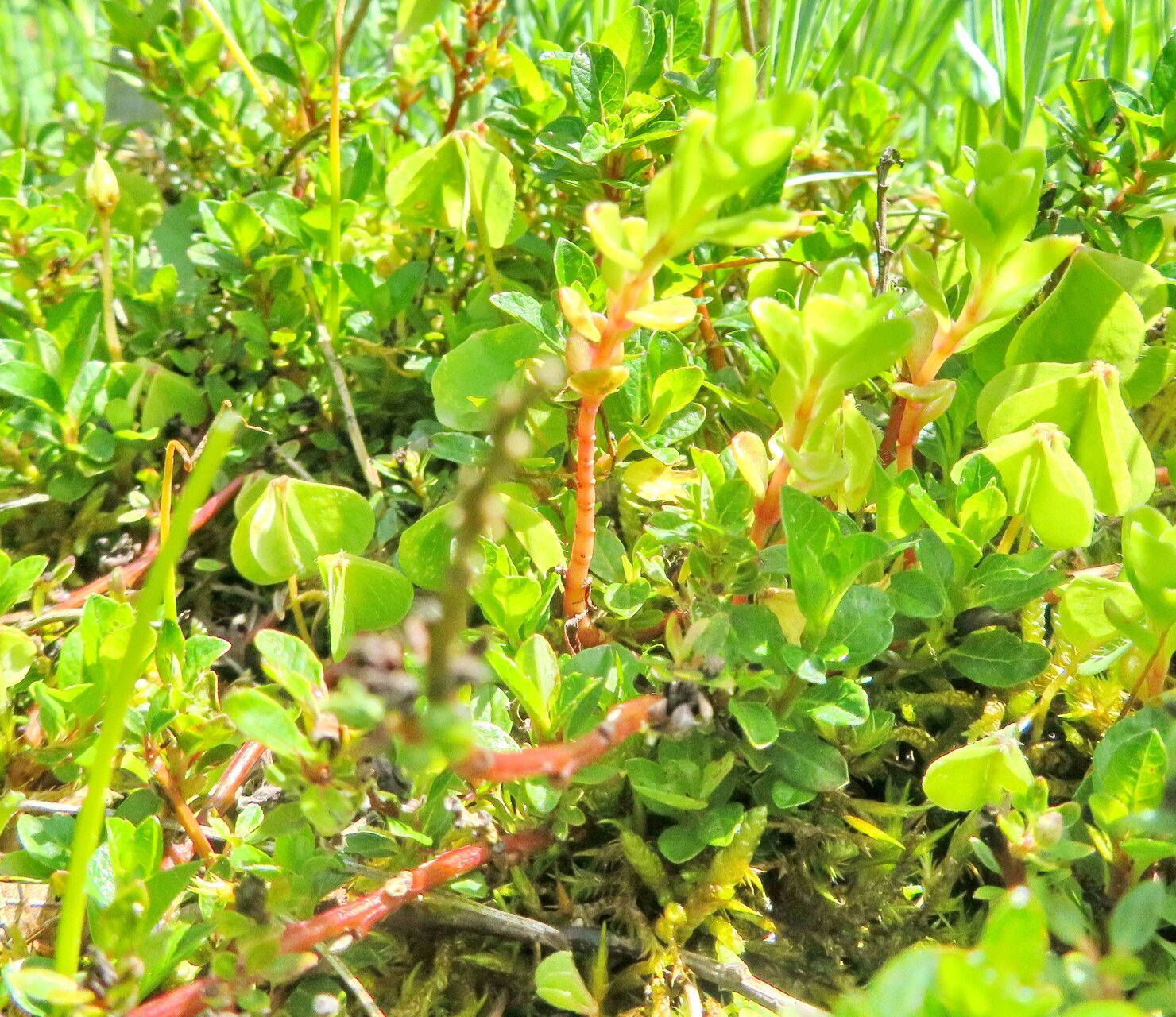
You know, there are some plants that just have a certain charm about them, and Salix calyculata, or the Arctic Willow, is definitely one of them. Its delicate, fuzzy catkins in spring are a delight, and it has this wonderful, sprawling habit that can really soften a garden edge. Plus, there’s something incredibly satisfying about growing a new plant from a tiny piece you’ve taken from an existing one. It makes you feel a little bit like a garden wizard, doesn’t it? For those of you just starting out with propagation, Salix calyculata is a pretty forgiving friend. You’ll find it quite approachable.
The Best Time to Start
For the highest chance of success, I’ve found that taking cuttings in early spring, just as the plant is waking up and starting to bud, is your sweet spot. You want to catch it while it’s actively growing but before it gets too hot and stressful for those new little cuttings. Late spring, after flowering, can also work, but the early spring window is usually the most reliable.
Supplies You’ll Need
Gathering your tools beforehand makes the whole process so much smoother. Here’s what you’ll want to have at the ready:
- Sharp, clean pruning shears or a very sharp knife: This is crucial for making clean cuts.
- Rooting hormone (optional but recommended): A powder or gel can give your cuttings a helpful boost.
- Small pots or seed trays: Drainage holes are a must!
- A good quality potting mix: I like a blend that’s light and well-draining. A good starting point is 50% peat moss or coco coir and 50% perlite or coarse sand.
- Plastic bags or propagation domes: To create a humid environment for your cuttings.
- A watering can with a fine rose: For gentle watering.
Propagation Methods
Salix calyculata is wonderfully amenable to propagation by stem cuttings. It’s straightforward and usually yields excellent results.
Stem Cuttings
- Select your cutting: Look for healthy, non-flowering shoots from your established plant. You want wood that is firm but not brittle – think pencil thickness.
- Make the cut: Using your clean shears or knife, take cuttings that are about 4-6 inches long. Make a clean cut just below a leaf node (where a leaf grows out from the stem). This is where the magic happens, where new roots are most likely to form.
- Prepare the cutting: Gently remove the leaves from the bottom two-thirds of the cutting. If the remaining leaves are very large, you can cut them in half horizontally to reduce water loss through transpiration.
- Apply rooting hormone: Dip the cut end of the stem into your rooting hormone, tapping off any excess.
- Plant your cuttings: Fill your pots with your prepared potting mix. Make a hole in the center of the soil with a finger or a pencil. Insert the prepared cutting into the hole, ensuring the leaf nodes that will be below the soil line are covered. Firm the soil gently around the cutting.
- Water gently: Water the pot thoroughly but gently until water drains from the bottom.
- Create humidity: Place a plastic bag over the pot, securing it around the rim with a rubber band, or place the pot inside a propagation dome. This trapped moisture is key.
- Find a good spot: Place the pots in a bright location, but out of direct sunlight. A warm spot is beneficial.
Water Propagation
While stem cuttings in soil are my go-to, you can propagate Salix calyculata in water too, though it’s a bit less common for this particular species.
- Take your cuttings: Follow steps 1 and 2 for stem cuttings.
- Remove lower leaves: Remove all leaves that would be submerged in water.
- Place in water: Put the cuttings in a clean jar or vase filled with fresh, cool water.
- Location, location, location: Place the jar in a bright spot, out of direct sun.
- Change the water: Change the water every few days to keep it fresh and prevent rot. You’ll start to see roots forming in a few weeks. Once the roots are about an inch long, you can transplant them into soil.
The “Secret Sauce” (Pro Tips)
Having gardened for a while, I’ve picked up a few little tricks that often make all the difference.
- Don’t be afraid to be a little ruthless with your cuttings. Use multiple cuttings from a single branch; not every single one will take, and that’s perfectly normal. It’s better to have more than you need than to not have enough!
- If you can, use bottom heat. A heat mat placed under your pots provides consistent warmth to the base of the cuttings, which really encourages root development. It’s like giving them a warm little bed to grow in.
- Once you’ve planted your cuttings, resist the urge to constantly pull them out to check for roots. You’ll disturb the delicate new growth. Trust the process and keep an eye on the leaves – healthy, turgid leaves are a good sign.
Aftercare & Troubleshooting
Once you start seeing new leaf growth on your cuttings, that’s a fantastic sign that roots have formed!
- Gradually acclimate: If you used a plastic bag or dome, start opening it up for longer periods each day for a week or so to allow your new plant to adjust to the normal humidity before removing it entirely.
- Watering: Continue to water your new plants consistently, allowing the top inch of soil to dry out slightly between waterings. They don’t like to sit in soggy soil.
- Transplanting: Once your new willow has established a decent root system and is showing good growth, you can transplant it into a slightly larger pot or its permanent garden spot.
The most common pitfall you might encounter is rot. If your cuttings become black and mushy, or if the leaves look limp and discolored despite being in a humid environment, it’s likely rot. This is often caused by overwatering or poor drainage. If you see this, unfortunately, those cuttings are probably lost. The key is prevention: ensure good drainage, don’t overwater, and provide adequate air circulation once they start to root.
So there you have it! Propagating Salix calyculata is a wonderfully rewarding way to expand your garden and share the beauty of this charming willow. Be patient with yourself, and remember that every gardener has their share of learning moments. Enjoy the process, and soon you’ll have a whole collection of these lovely plants to admire. Happy gardening!
Resource: