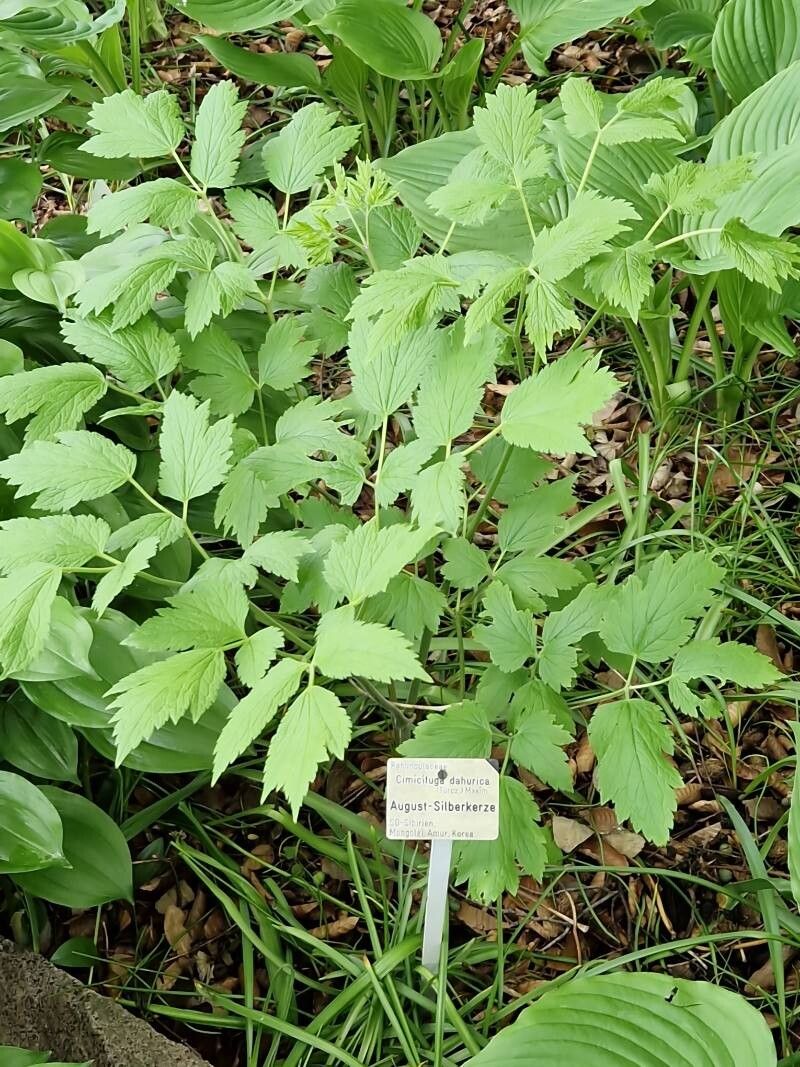
Hello there, fellow plant lovers! I’m so excited to chat with you today about a plant that truly captures my heart: Actaea dahurica. If you’re drawn to tall, elegant plumes of white flowers that dance in the summer breeze, then you’re already halfway to falling for this beauty. Its graceful presence makes any garden feel a little more magical. And the best part? Propagating it is surprisingly rewarding, and I think even beginners can find success with a little guidance. It’s a plant that truly sings when it’s happy.
The Best Time to Start
When it comes to coaxing new Actaea dahurica plants into existence, late spring to early summer is your golden window. This is when the plant is actively growing and bursting with energy, making it more receptive to taking root. You’ll want to look for new, non-woody shoots. Think of it as catching the plant at its most vigorous!
Supplies You’ll Need
Gathering your tools beforehand makes the whole process smoother. Here’s what I always have on hand:
- Sharp pruning shears or a clean knife
- A well-draining potting mix. I like a blend of peat moss, perlite, and a bit of compost.
- Rooting hormone (optional, but can really give you a boost)
- Small pots or seed trays with drainage holes
- A watering can with a fine rose or a spray bottle
- Labels to keep track of your babies!
Propagation Methods
Actaea dahurica is quite amenable to propagation, and I’ve had the best luck with a couple of methods.
Stem Cuttings: My Go-To
This is my favorite way to multiply these beauties. It’s straightforward and usually yields great results.
- Select Your Cuttings: On a mild, overcast day if possible, use your sharp pruning shears to take tip cuttings. Aim for stems about 4-6 inches long that are sturdy but not woody. Look for pieces with several leaf nodes (where leaves emerge from the stem).
- Prepare the Cuttings: Gently remove the lower leaves from the cutting, leaving just a couple at the very top. This prevents them from rotting in the soil. If using rooting hormone, dip the cut end into it following the product’s instructions.
- Planting: Fill your small pots with your prepared potting mix. Make a hole in the center with your finger or a pencil, deep enough to insert the cutting. Carefully place the cutting into the hole and gently firm the soil around it.
- Watering: Water the soil thoroughly but gently. You want it to be moist but not waterlogged. A light misting can also help keep humidity up.
Division: A Classic Approach
This is best done in early spring as the plant begins to emerge, or in early fall after flowering has finished.
- Excavate Carefully: Gently dig up the entire plant. Try to disturb the roots as little as possible.
- Find the Divisions: You’ll see natural divisions in the root ball, often with several growing points.
- Separate: With your hands, or by using a clean, sharp spade or knife if necessary, carefully pull or cut the root ball apart into sections. Each section should have at least one healthy growing eye and a good portion of roots.
- Replant: Immediately replant your divisions in their new homes. Give them a good watering.
The “Secret Sauce” (Pro Tips)
Over the years, I’ve picked up a few tricks that can really make a difference.
- Warm Bottoms: If you’re doing stem cuttings, placing your pots on a heating mat designed for plants can significantly speed up root development. It mimics the warmth the plant would feel underground in warmer weather.
- Humidity is Key: New cuttings are sensitive to drying out. I often cover my pots with a clear plastic bag or dome, making sure the leaves don’t touch the plastic directly (which can encourage rot). A light misty spray of water inside the bag every couple of days can help too.
- Patience with Roots: Don’t rush the process. It can take several weeks, sometimes even a couple of months, for cuttings to establish a good root system. Gently tugging on the cutting to feel for resistance is a good indicator of new roots.
Aftercare & Troubleshooting
Once you see new growth or a gentle tug indicates roots, your little Actaea dahurica is ready for a little more independence.
Gradually acclimate your new plants to drier air by opening the plastic cover for longer periods over a week. Keep the soil consistently moist, but not soggy. As they grow, you can pot them up into larger containers or transplant them into their permanent garden spots.
The most common issue you might encounter is rot. This usually happens from overwatering or poor drainage. If you see the cutting turn mushy or black, it’s a sign of rot. Unfortunately, there’s usually no coming back from that. Another issue can be wilting, which might mean it’s too dry, or the roots haven’t quite established yet. Ensure consistent moisture, and remember those humidity tricks.
A Little Encouragement
Propagating plants is a beautiful journey of patience and observation. Don’t get discouraged if every cutting or division doesn’t make it. Each attempt teaches you something new. Enjoy the process of nurturing these new beginnings, and soon you’ll have even more of these stunning Actaea dahurica to share and admire. Happy gardening!
Resource: