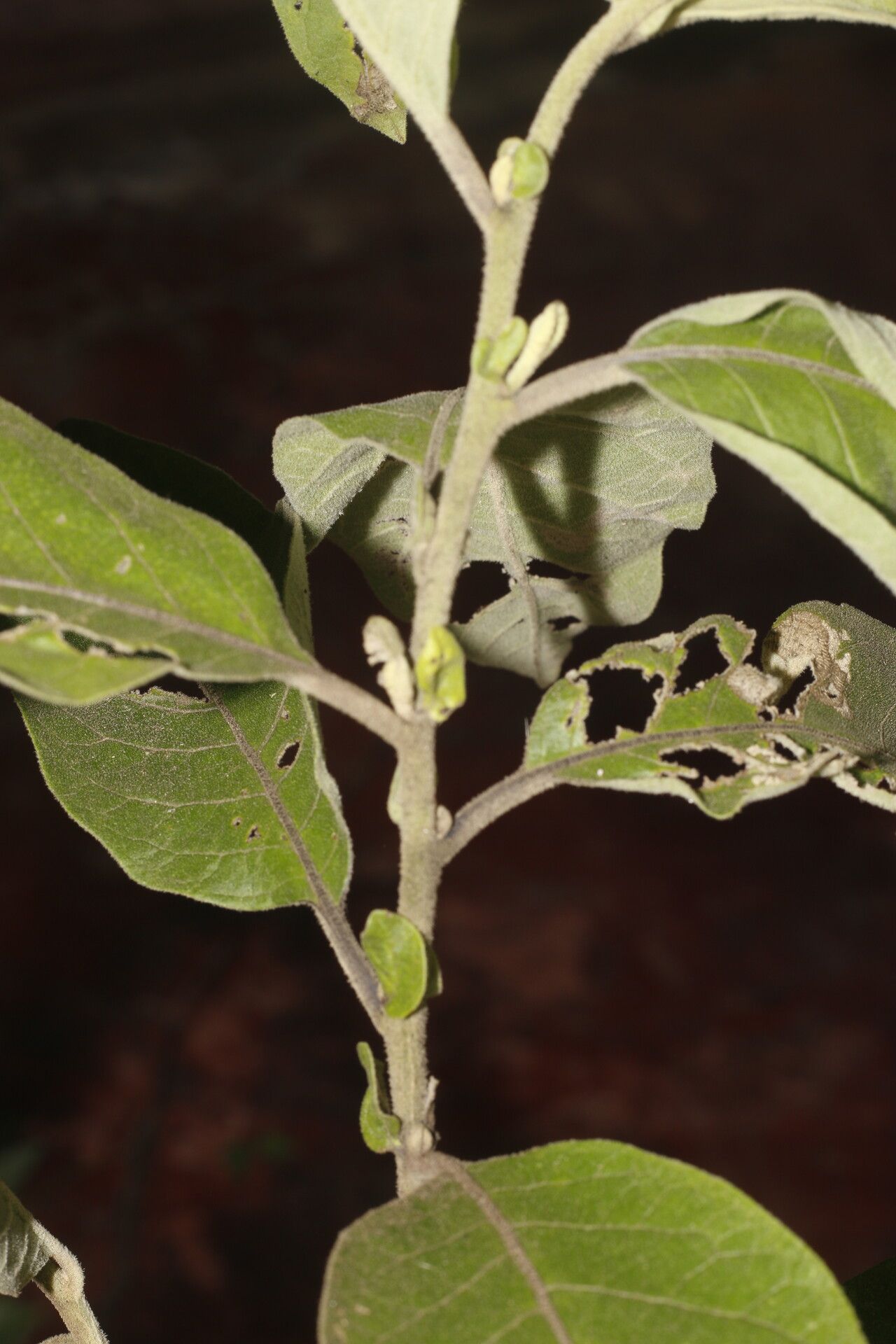
Hey there, fellow plant lovers! I’m absolutely thrilled to dive into the wonderful world of Cestrum tomentosum with you today. If you’ve ever admired those beautiful, often fragrant blooms and lush foliage of this delightful shrub, you’re in for a treat. Propagating it yourself is not only incredibly satisfying but also a fantastic way to share the joy of gardening with friends and family.
Now, I know a lot of you are curious about how fiddly this plant can be. Honestly? Cestrum tomentosum can be a little bit of a slow starter with cuttings, but with a bit of patience and the right approach, you’ll find it quite manageable. It’s a rewarding project, not an impossible one, and I’m here to guide you every step of the way.
The Best Time to Start
For the highest success rates with Cestrum tomentosum, I always recommend working with semi-hardwood cuttings. The best window for this is usually in late spring to early summer, after the plant has finished its initial burst of growth but before it gets too woody. You want cuttings that are flexible and still have some ‘give’ to them, not brittle old branches. Think of it as catching the plant in its prime!
Supplies You’ll Need
Here’s your handy checklist for getting started. Having everything prepped makes the whole process so much smoother:
- Sharp, clean pruning shears or a sharp knife: Essential for clean cuts to prevent disease.
- Small pots or seed trays: Aim for about 3-4 inches in size. Ensure they have drainage holes!
- Well-draining potting mix: A 50/50 blend of perlite and peat moss or vermiculite and coco coir works wonderfully. You can also buy pre-made propagation mixes.
- Rooting hormone: While not strictly mandatory, it can significantly boost your success rate. I prefer powdered forms as they are easy to work with.
- Plastic bags or a propagator lid: To create a humid environment for your cuttings.
- Water – distilled or rainwater is ideal: Tap water can sometimes contain chemicals that hinder rooting.
- Labels and a permanent marker: Don’t skip this! You’ll thank yourself later.
Propagation Methods
We’ll focus on the most reliable method for Cestrum tomentosum: stem cuttings.
- Take Your Cuttings: On a cool morning, select healthy, non-flowering stems about 4-6 inches long. Using your sharp shears, make a clean cut just below a leaf node. A leaf node is that little bump where a leaf grows from the stem – this is where the magic happens for root development.
- Prepare the Cuttings: Remove the lower leaves from the cutting, leaving just 2-3 leaves at the top. If the top leaves are very large, you can half them to reduce water loss through transpiration. You can also gently scrape a small sliver of bark from one or two sides at the very bottom of the cutting – this exposes more of the cambium layer, encouraging rooting.
- Apply Rooting Hormone: Dip the cut end of the stem into your rooting hormone, tapping off any excess. Ensure the entire cut surface is coated.
- Pot Up Your Cuttings: Fill your pots with your prepared, moist potting mix. Make a hole in the center of the mix with your finger or a pencil. Carefully insert the treated end of the cutting into the hole, pushing it down until the lower leaf nodes are beneath the soil surface. Gently firm the soil around the stem.
- Create a Humid Environment: Water the soil gently. Then, cover the pot with a clear plastic bag, creating a mini-greenhouse. You can use stakes or even chopsticks to keep the bag from touching the leaves. Alternatively, use a propagator lid.
- Placement is Key: Place your pots in a bright location but out of direct sunlight. A warm spot is also beneficial.
The “Secret Sauce” (Pro Tips)
Here are a few little tricks I’ve picked up over the years that can make a world of difference:
- Oh, this is a biggie! With Cestrum_—_and many other plants—it’s crucial not to let the leaves touch the water in your watering can or touch the soil surface excessively if you’re misting. Instead, water the soil directly, or if you must mist, do so gently. Excess humidity in contact with foliage can encourage fungal issues.
- Bottom heat is a game-changer. If you have a heat mat for seedlings, use it! Placing your pots on a gentle heat source provides warmth to the base of the cuttings, encouraging root development from below. It’s like a little spa day for your stem ends!
- Don’t rush to remove the plastic. Leave the bag or propagator lid on until you see clear signs of new growth. This maintained humidity is critical for those delicate beginnings.
Aftercare & Troubleshooting
Once you start to see tiny new leaves or feel a gentle tug when you very carefully wiggle a cutting, that’s your cue! It typically takes anywhere from 4-8 weeks, sometimes longer for Cestrum. At this point, you can gradually acclimatize your new plants by opening the plastic bag a little more each day over a week.
What if things go wrong? The most common culprit is rot. If your cutting turns black, mushy, or falls over, it’s likely succumbed to rot. This is usually caused by too much moisture, poor drainage, or lack of air circulation. Discard any rotted cuttings and re-evaluate your watering and humidity levels. If you see the leaves shriveling, it might be too dry, or the heat is too intense. Make sure they’re not in direct sun.
A Encouraging Closing
Propagating plants is a journey, and every gardener learns through trial and error. Don’t be discouraged if your first attempt isn’t a roaring success. Each plant you coax into life is a small victory, a testament to your patience and care. So, gather your supplies, take a deep breath, and enjoy the process of nurturing new life. Happy growing!
Resource:
https://identify.plantnet.org/k-world-flora/species/Cestrum%20tomentosum%20L.f./data