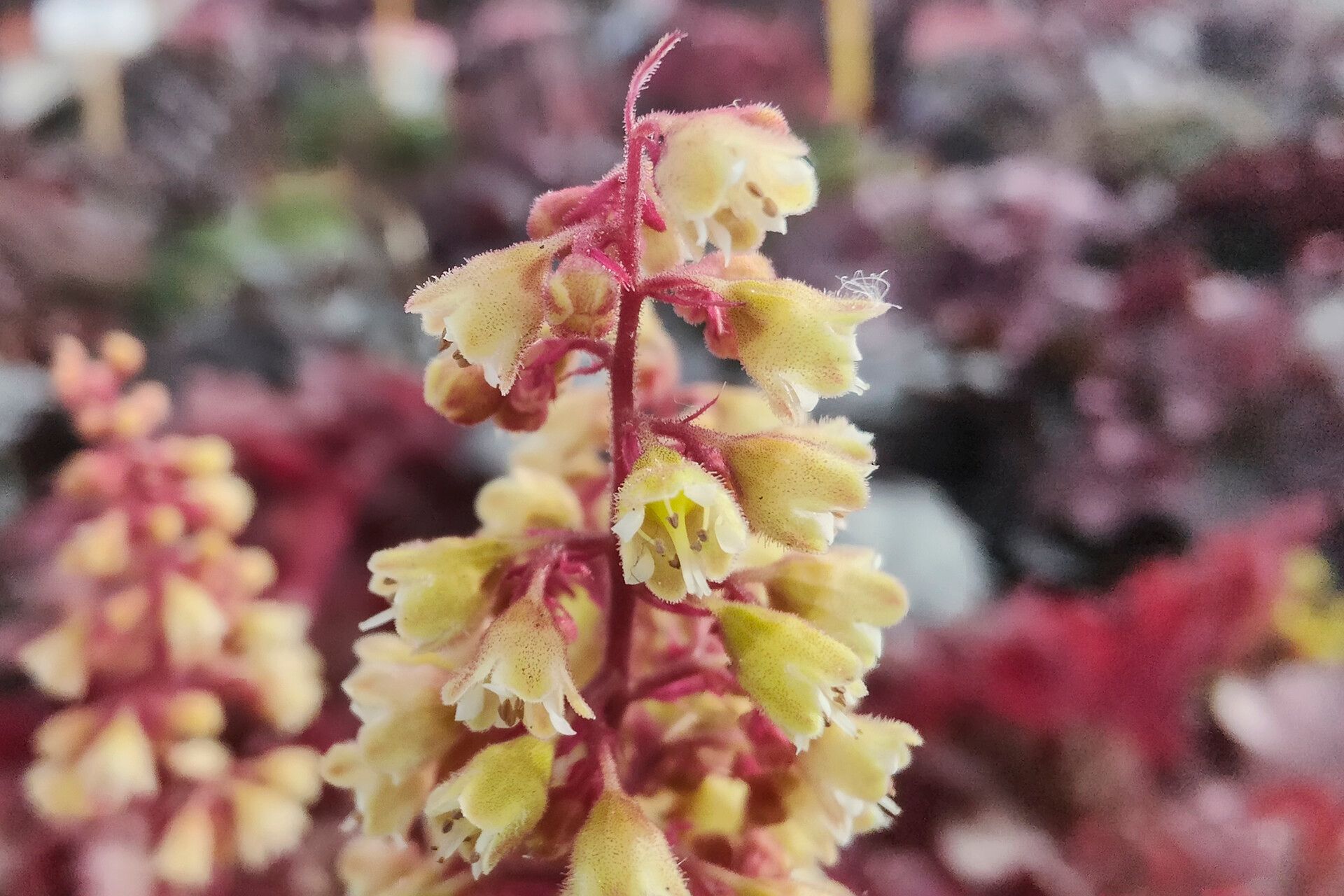
Oh, heuchera! Those gorgeous, colorful foliage plants are just a gardener’s dream, aren’t they? With their ruffled leaves in shades of amber, plum, coral, and lime, they really do bring the drama to any shady nook. And the best part? They’re surprisingly simple to multiply. If you’re a beginner looking for a rewarding plant to try your hand at propagating, heuchera is an excellent choice. You’ll be amazed at how easily you can create more of these beauties for your own garden or to share with friends.
The Best Time to Start
For the most success, I always recommend starting in late spring or early summer. This is when the plant is actively growing and has plenty of energy to put into root development. You’re looking for new, healthy growth, not plants that are stressed from drought or extreme heat.
Supplies You’ll Need
Gathering your supplies before you begin will make the whole process much smoother:
- Sharp pruning shears or a clean knife: For taking cuttings.
- Potting mix: A well-draining mix is crucial. I like to use a blend of equal parts peat moss or coco coir, perlite, and compost.
- Small pots or trays: For your cuttings to root in. Make sure they have drainage holes!
- Rooting hormone (optional but recommended): This really gives your cuttings a boost.
- Watering can or spray bottle: For gentle watering.
- Plastic bags or a propagation dome: To create a humid environment.
Propagation Methods
Heuchera is wonderfully versatile when it comes to making more plants. Here are my favorite ways:
Division (My Top Pick!)
This is by far the easiest and most satisfying method, especially for established plants.
- Gently dig up your heuchera plant. You can do this in spring or fall.
- Loosen the soil around the root ball and carefully lift the entire plant out of the ground.
- Inspect the root ball. You’ll likely see several distinct crowns, which are the points where new leaves emerge.
- Gently pull or cut the root ball into sections, ensuring each section has a healthy portion of roots and at least one good crown or several strong shoots.
- Replant your divisions immediately into their new locations or into pots with fresh potting mix. Water them well.
Stem Cuttings
This method is great for propagating a specific variety or when you want to increase your stock quickly.
- Select healthy stems from your heuchera plant. Look for stems that are firm but not woody, generally about 3-5 inches long.
- Using your clean shears, snip off the stem just below a leaf node (where a leaf attaches to the stem).
- Remove the lower leaves, leaving just a couple of leaves at the top. This prevents them from rotting in the moist potting mix.
- Dip the cut end into rooting hormone, tapping off any excess.
- Insert the cutting about an inch deep into a pot filled with your prepared potting mix. Make a small hole with a pencil or your finger first to avoid rubbing off the hormone.
- Water gently and cover the pot with a plastic bag or place it under a propagation dome to maintain humidity.
The “Secret Sauce” (Pro Tips)
These little tricks have saved me countless times and will up your heuchera propagation game:
- Don’t let the leaves touch the water when using the stem cutting method, especially if you’re keeping them in a very humid environment. They’ll start to get that slimy, unhappy look if they’re constantly wet. Wiping them off gently can sometimes save them, but it’s best to avoid it altogether by trimming them back.
- Bottom heat is your friend! If you’re struggling with cuttings to root, placing your pots on a propagation mat can make a huge difference. It encourages those roots to form much faster by providing consistent warmth.
Aftercare & Troubleshooting
Once your heuchera cuttings have developed a good root system (you can gently tug on them – if there’s resistance, they’ve rooted!), it’s time for a bit of special care.
- Gradually introduce them to less humid conditions. Poke a few holes in your plastic bag or lift the dome for longer periods each day over a week.
- Water them regularly, keeping the soil consistently moist but not waterlogged.
- Keep them out of direct sunlight for the first few weeks. Bright, indirect light is ideal.
The most common issue you’ll encounter is rot. This usually happens if the soil is too wet or the humidity is too high without adequate air circulation. If you see a cutting wilting, turning black, or looking mushy, it’s likely on its way out. Don’t be discouraged! Sometimes it’s just trial and error, and you’ll learn what works best for your environment.
A Encouraging Closing
Watching a tiny cutting transform into a new, thriving plant is one of gardening’s greatest joys. Be patient with your heuchera babies. They might take a few weeks to show signs of growth, but that’s perfectly normal. Enjoy the process, learn from each attempt, and before you know it, you’ll have a whole collection of these stunning foliage plants! Happy propagating!
Resource:
https://identify.plantnet.org/k-world-flora/species/Heuchera%20longiflora%20Rydb./data