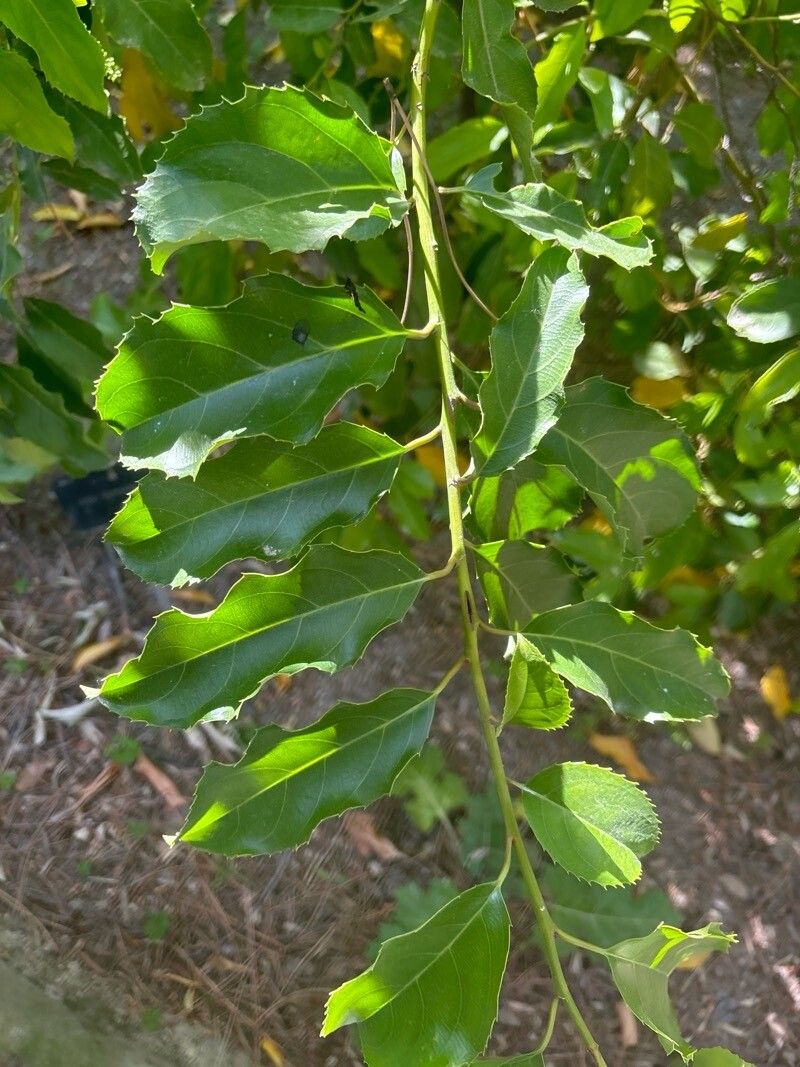
Hey there, fellow plant lovers! Gather ‘round for a chat about one of my absolute favorite shrubs: Itea yunnanensis. This beauty, often called Chinese Sweetspire, is a real charmer with its graceful habit and, oh, that scent! In late spring and early summer, its arching stems drip with fragrant, creamy white flower racemes that draw in pollinators like a magnet. It’s the kind of plant that makes you stop and just breathe it all in.
If you’ve fallen for Itea yunnanensis (and who wouldn’t?), you’ll be thrilled to know that propagating it is a really rewarding endeavor. For beginners? It’s pretty manageable! While it’s not quite as foolproof as some of the more common houseplants, it’s definitely a welcoming challenge that offers a great sense of accomplishment. Seeing new life spring from your own efforts is just the best feeling, isn’t it?
The Best Time to Start
My top recommendation for propagating Itea yunnanensis is late spring to early summer. This is when the plant is actively growing, and you’ll be taking cuttings from what we call softwood or semi-hardwood. Think of it as taking a snippet from a stem that’s new and green but has started to stiffen up just a bit. It’s flexible enough to root easily but not so flimsy that it wilts immediately. Waiting until after the main flush of spring growth is key for the highest success rate.
Supplies You’ll Need
Before we dig in, let’s make sure you have everything ready. It always makes the process smoother when you don’t have to go hunting for items mid-way!
- Sharp Pruning Shears or a Craft Knife: Clean cuts are crucial for healthy rooting.
- Rooting Hormone Powder or Gel: This isn’t strictly mandatory, but it really boosts your success rate with woody cuttings.
- A Well-Draining Potting Mix: I like to use a blend of equal parts peat moss or coco coir, perlite, and a little bit of sterile potting soil. This helps keep things airy and prevents rot.
- Small Pots or a Propagation Tray: Clean pots or cells are a must.
- A Watering Can or Spray Bottle: For gentle watering.
- Plastic Bags or a Clear Dome: To maintain humidity around your cuttings.
Propagation Methods
Let’s talk about how we’re going to get these new babies started. For Itea yunnanensis, I’ve found the most success with stem cuttings.
Stem Cuttings:
- Select Your Stems: On a healthy Itea yunnanensis plant, look for stems that have finished their rapid spring growth. They should be flexible but not floppy. You want to take pieces that are about 4 to 6 inches long.
- Make the Cut: Using your clean, sharp shears, make a cut just below a leaf node. A leaf node is that little bump on the stem where a leaf grows. This is where a lot of the magic happens for root development.
- Prepare the Cutting: Gently remove the lower leaves, leaving just a couple of leaves at the very top. If the top leaves are very large, you can even cut them in half horizontally to reduce water loss.
- Apply Rooting Hormone: Dip the cut end of the stem into your rooting hormone. Tap off any excess so you have a nice, even coating.
- Plant the Cuttings: Fill your pots or propagation tray with your prepared well-draining mix. Make a small hole in the center of each pot with a pencil or your finger. Carefully insert the cutting, ensuring the dipped end is well covered by soil. Gently firm the soil around the base of the cutting.
- Water Gently: Water the soil thoroughly but gently. You don’t want to dislodge your cuttings!
- Create a Humid Environment: This is where your plastic bags or dome come in. Cover the pots loosely with a clear plastic bag or place the propagation tray under a clear dome. This keeps the humidity high, which is absolutely vital for cuttings while they develop roots.
The “Secret Sauce” (Pro Tips)
Now, for a few little nuggets of wisdom I’ve picked up over the years. These might seem small, but they can make a big difference for your success!
- Don’t Let the Leaves Touch the Water (if you were to attempt water propagation, which I don’t recommend for Itea): While I’m focused on soil cuttings, it’s a general rule. If any part of the leaves dips below the water line in any propagation, they’re more likely to rot than root. For soil cuttings, this translates to making sure no leaves are buried in the soil.
- Consider Bottom Heat: If you can, place your propagation tray on a gentle heating mat. This little boost of warmth from below encourages root formation much faster and can be the difference between success and waiting around endlessly. Aim for temperatures around 70-75°F (21-24°C).
- Mist Regularly (but avoid soggy soil): Even with a plastic cover, the atmosphere can dry out. Lightly mist your cuttings and the inside of the plastic tent every day or two. The goal is to keep things humid, not soggy. You want condensation on the plastic, but no standing water in the pots.
Aftercare & Troubleshooting
Once you start seeing nice root development – you can often tell by little roots peeking out of the drainage holes – it’s time for a bit more focused care.
- Introduce to the Air Gradually: Slowly acclimate your new plants to normal humidity levels by opening the plastic bag or dome for longer periods each day over the course of a week. This prevents shock.
- Repotting: Once the cuttings have a good amount of roots and are starting to produce new leaf growth, you can carefully transplant them into their own small pots. Continue to use a well-draining mix.
- Watering: Keep the soil consistently moist but not waterlogged. They’re still a bit delicate at this stage.
- Signs of Trouble: The most common issue you’ll encounter is rot. If your cutting turns black or mushy, it’s usually a sign of too much moisture and not enough air circulation. If a cutting just shrivels up and dies without turning black, it might have been too dry or not had enough humidity. Don’t despair if a few don’t make it; it’s part of the learning process!
A Encouraging Closing
So there you have it! Propagating Itea yunnanensis is a wonderful way to expand your garden and share these fragrant beauties with friends. Be patient with the process. Nature works on its own schedule, and sometimes it takes a little persistence. Enjoy the journey of nurturing these tiny beginnings into full, flourishing plants. Happy gardening!
Resource:
https://identify.plantnet.org/k-world-flora/species/Itea%20yunnanensis%20Franch./data