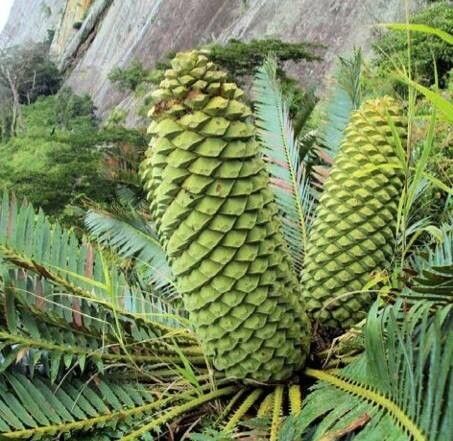
Oh, Encephalartos munchii! Just saying the name sparks a little joy in my heart. These cycads are absolute treasures, aren’t they? With their architectural elegance and that satisfyingly ancient feel, they bring a touch of the prehistoric to any garden. And the idea of growing your own? That’s just wonderful. It’s a journey, for sure, but one that’s incredibly rewarding. Now, are they a walk in the park for a complete beginner? I’d say they lean towards the moderately challenging side, but with a little guidance and patience, you can absolutely succeed. Let’s get our hands dirty!
The Best Time to Start
For Encephalartos species, and munchii is no exception, the sweet spot is generally late spring to early summer. This is when the plant is in its most vigorous growth phase, meaning it’s full of energy and ready to push out new roots. You’ll want to propagate from a mature, healthy plant that has shown good growth over the past year. Avoid trying to propagate during a plant’s dormant period; that’s like asking someone to run a marathon after a long nap!
Supplies You’ll Need
Gathering your tools before you begin will make the whole process smoother. Here’s what I’ve found most helpful:
- Sharp, sterile pruning shears or a clean, sharp knife: For making clean cuts. Disinfection (rubbing alcohol or a bleach solution) between cuts is crucial to prevent disease.
- Well-draining potting mix: A good blend for cycads is often a mix of coarse sand, perlite, and a good quality potting soil. I like to use about a 1:1:1 ratio, but you can also find pre-made cactus or succulent mixes that work well when amended with extra perlite.
- Rooting hormone (optional but recommended): Look for one specifically formulated for woody plants or cuttings. It gives your cuttings a helpful boost.
- Small pots or propagation trays: About 4-6 inches deep are ideal. Make sure they have drainage holes!
- Gravel or coarse sand: For draining at the bottom of pots or as a top dressing.
- A watering can or mister: For gentle watering.
- A plastic bag or humidity dome: To create a humid microclimate.
- Labels: To keep track of what you’ve planted and when.
Propagation Methods
Encephalartos munchii is primarily propagated by offsets (pups), which are essentially baby plants that grow from the base of the parent plant. This is by far the most successful and common method. While stem cuttings are theoretically possible for some cycads, it’s much less practical and successful for E. munchii, often resulting in rot before rooting. So, we’ll focus on the pups.
Propagating by Offsets (Pups):
- Identify the Offsets: Look for small, distinct plantlets emerging from the base of your mature E. munchii. You want pups that are at least a few inches tall and have started to form their own small root system.
- Prepare the Parent Plant: Gently clear away soil from around the base of the pup you intend to remove. You want to be able to see where it’s attached to the mother plant and assess its root development.
- Make the Cut: Using your sterilized pruning shears or knife, make a clean cut as close to the parent plant as possible. Try to capture any small roots that have already formed on the pup.
- Allow to Callus: This is a critical step for cycads. Place the removed pup in a dry, shaded, and well-ventilated area for several days to a week. The cut end needs to dry out and form a hardened callus. This prevents rot when you plant it.
- Planting: Once callused, gently pot the pup in your well-draining mix. You can add a light dusting of rooting hormone to the cut end if you wish. Plant it deep enough so it’s stable, but don’t bury the crown.
- Initial Watering: Water very sparingly at first. You want the soil to be slightly moist, not wet. This is where many go wrong and cause rot.
The “Secret Sauce” (Pro Tips)
- Patience with Roots: For pups, the root system might already be established, but if it’s small, don’t be tempted to keep checking it every day. Resist the urge to tug! They will signal their success by showing new leaf growth.
- Bottom Heat is Your Friend: While not essential, placing your pots on a gentle, thermostatically controlled heat mat set to around 70-75°F (21-24°C) can significantly speed up root development, especially in cooler environments. It mimics that warm, encouraging environment they love.
- Avoid Overwatering Like the Plague: Seriously. Cycads are susceptible to root rot, and this is the number one killer for newly propagated plants. Err on the side of too dry rather than too wet. If you see signs of yellowing leaves or mushy the base, you’re likely overwatering.
Aftercare & Troubleshooting
Once your pup shows signs of new growth – a miniature cone or a new flush of leaves – you know it’s established! Continue to water sparingly, allowing the soil to dry out between waterings. As it grows, you can gradually increase watering to a more regular schedule, but always ensure good drainage.
Signs of Failure: The most common issue is rot. If the pup turns black and mushy at the base, or if its leaves start to yellow and wilt without any apparent reason, it’s a strong indicator of rot, usually from overwatering. Unfortunately, once rot sets in deeply, it’s very difficult to save. If you suspect rot, try to unpot it, cut away all affected tissue with a clean knife, let it callus for an extended period (even a couple of weeks), and then repot in fresh, dry mix.
A Encouraging Closing
Propagating E. munchii is a bit of a labor of love, but trust me, when you see that first tiny frond unfurl on your own propagated plant, it’s one of the most satisfying gardening moments you’ll experience. Be patient with the process, observe your plant closely, and don’t be discouraged if you have a setback. Every gardener has lost a plant or two! Just keep learning, keep trying, and most importantly, enjoy the journey of bringing more of these magnificent cycads into existence. Happy gardening!
Resource: