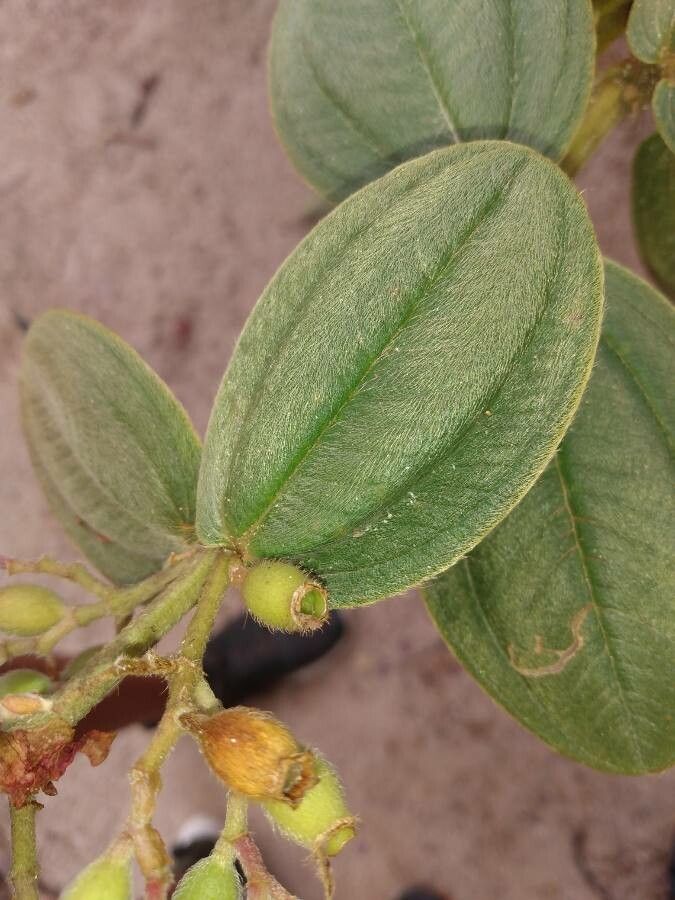
Oh, Pleroma clavatum, what a beauty! Those brilliant purple blooms, like little explosions of joy in the garden, are enough to make anyone swoon. They bring such vibrant color and a touch of the exotic, don’t they? And the best part? You can multiply that magic yourself! Propagating it is incredibly rewarding. You get to nurture a tiny speck of life and watch it grow into a plant that mirrors its parent. For those who are just dipping their toes into the world of plant propagation, it’s a good one to try. It’s not overly fussy, which is always a plus, and giving it a go feels like you’re unlocking a little gardening secret.
The Best Time to Start
Timing is everything, as they say, and when it comes to Pleroma clavatum, spring is your golden ticket. As the plant begins its active growth phase, it’s full of vim and vigor. This means it’s more likely to respond well to being asked to grow new roots. Aim for after the last frost, when the days are getting longer and warmer, but before the intense heat of summer really sets in. Softwood cuttings taken at this time are generally the easiest to root.
Supplies You’ll Need
Gathering your tools before you begin makes the whole process smoother. Here’s what you’ll want on hand:
- Sharp pruning shears or a clean, sharp knife: For making clean cuts.
- A rooting hormone (optional but recommended): Powder or gel formulations work well.
- A well-draining potting mix: I like a blend of equal parts coco coir, perlite, and a bit of compost.
- Small pots or seed trays: With drainage holes, of course!
- A spray bottle: For misting.
- Clear plastic bags or a propagator: To create humidity.
- Labels and a marker: To keep track of your projects.
Propagation Methods
Stem cuttings are my go-to for Pleroma clavatum. It’s straightforward and usually yields great results.
Stem Cuttings:
- Take Cuttings: In the spring, look for healthy, new growth. Select stems that are semi-hardwood—they should snap easily when bent but still have some flexibility. Aim for cuttings that are about 4-6 inches long. Make a clean cut just below a leaf node, which is the point where a leaf attaches to the stem.
- Prepare the Cuttings: Gently remove the lower leaves, leaving perhaps two or three sets of leaves at the top. This prevents them from rotting in the soil.
- Apply Rooting Hormone: If you’re using rooting hormone, dip the cut end of each stem into the powder or gel. Tap off any excess.
- Plant the Cuttings: Fill your small pots with your prepared potting mix. Make a hole with your finger or a pencil, and insert the cutting, ensuring the leaf nodes (where you removed the leaves) are buried. Gently firm the soil around the stem.
- Create Humidity: Water the soil lightly until it’s moist but not soggy. Then, cover the pots with a clear plastic bag or place them in a propagator. This traps humidity, which is crucial for stem cuttings to root. You can prop up the bag with small stakes so it doesn’t touch the leaves.
- Find a Good Spot: Place the pots in a bright location, but out of direct sunlight. A warm spot is best.
The “Secret Sauce” (Pro Tips)
Now, for a couple of things that I’ve learned over the years that really make a difference:
- Bottom Heat is Your Friend: If you can, place your pots on a heated propagator mat. This gentle warmth from below encourages root development significantly. It’s like giving your cuttings a warm hug!
- Don’t Let the Leaves Touch the Water (if Water Propagating): While I primarily use soil for Pleroma, if you decide to try rooting a cutting in water, ensure no leaves are submerged. Leaves in water will quickly rot and can spoil the whole cutting. Only a few leaves at the top should be exposed to the air.
Aftercare & Troubleshooting
Once your cuttings have rooted—you’ll see new growth appearing from the top, or you can gently tug a cutting and feel resistance—it’s time for them to come out of their cozy humidity tent.
- Gradual Acclimatization: Slowly start to remove the plastic bag or open the propagator vents for an hour or two each day for a week. This helps the new plant adjust to normal humidity levels.
- Watering: Water when the top inch of soil feels dry. Water thoroughly until it drains from the bottom.
- Light: Continue to provide bright, indirect light.
- When to Pot Up: Once your new plant has a good root system (you might see roots peeking from the drainage holes) and is actively growing, you can pot it up into a slightly larger container with fresh potting mix.
Troubleshooting:
- Wilting: This can happen if the soil is too dry or if your cutting hasn’t rooted yet. Ensure consistent moisture.
- Rotting: This is usually a sign of too much moisture and not enough drainage. Make sure your potting mix is airy and that containers have good drainage. Remove any rotted material immediately.
- No New Growth: Patience! Some cuttings take longer than others. As long as they look firm and green, they’re still a good candidate.
A Encouraging Closing
Don’t get discouraged if every single cutting doesn’t make it. Gardening is a journey of learning and observation. Celebrate the successes, learn from the challenges, and most importantly, enjoy the process! Watching a new Pleroma clavatum unfurl its first tiny leaves is a truly special feeling. Happy propagating!
Resource: