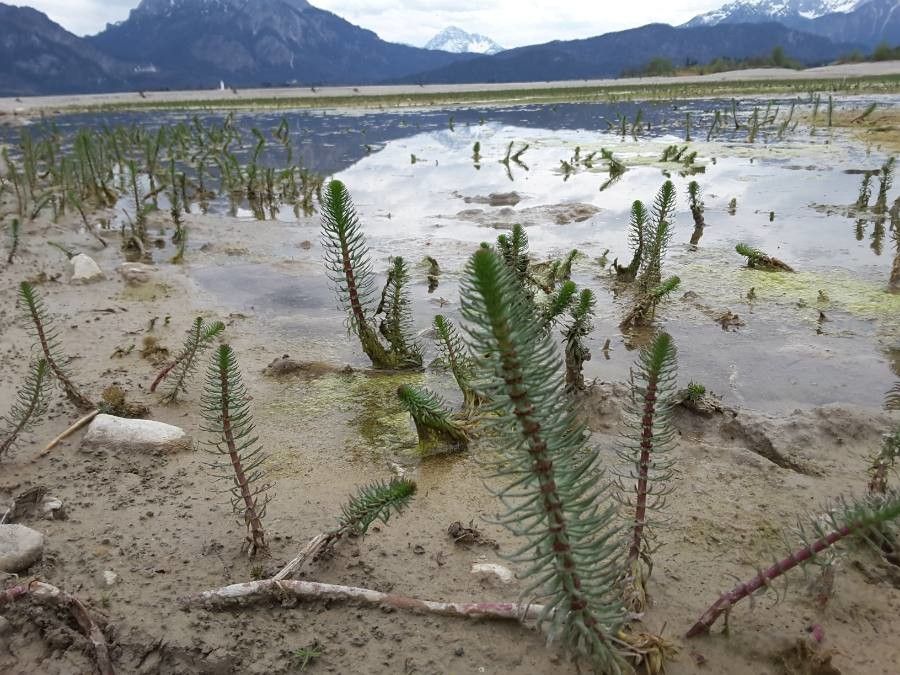
Hello my fellow garden enthusiasts! Today, we’re diving into the wonderful world of Hippuris vulgaris, commonly known as Mare’s Tail. This aquatic beauty, with its unique whorls of needle-like leaves, brings such a dynamic and natural feel to any pond or water garden. Watching new shoots emerge from cuttings or divisions is incredibly rewarding, and I’m thrilled to guide you through the process. Don’t worry, Mare’s Tail is wonderfully forgiving and quite easy to propagate, even for those just dipping their toes into aquatic gardening.
The Best Time to Start
The absolute sweet spot for propagating Mare’s Tail is during its active growing season. Think late spring through early summer. This is when the plant is full of vigor, and new growth is abundant. You’ll find it much easier to get healthy cuttings and divisions to establish quickly during this time.
Supplies You’ll Need
To make this a breeze, gather these essentials:
- Sharp pruning shears or a clean knife: For making precise cuts.
- Small pots or trays: If you’re starting cuttings in soil.
- Aquatic plant substrate or a well-draining potting mix: For soil propagation. A mix of loam and sand works well.
- Rooting hormone (optional but helpful): Especially for stem cuttings.
- Clean water: For rinsing and for water propagation.
- Labels: To keep track of your new plants!
Propagation Methods
Mare’s Tail offers a couple of really straightforward ways to multiply.
Stem Cuttings: My Favorite Go-To
This is my number-one method because it’s so quick and reliable.
- Select healthy stems: Look for vigorous, non-flowering stems that are at least 6 inches long.
- Make your cut: Using your sharp shears, cut a stem about an inch below a whorl of leaves.
- Prepare the cutting: You can remove the bottom few whorls of leaves to make it easier to insert into your medium. If you’re using rooting hormone, dip the cut end into it now.
- Planting: You have two main options here.
- In water: Place the cutting in a jar of clean water. Make sure the remaining leaves are above the water’s surface. Change the water every few days. Roots should appear within a couple of weeks.
- In substrate: Plant the cutting directly into a pot filled with your aquatic substrate or potting mix. Gently firm the soil around the stem. Keep the soil consistently moist.
Division: For the Established Clumps
If you have a mature, happy clump of Mare’s Tail, division is a fantastic way to get more plants.
- Gently remove from water: Carefully lift the entire plant from its container or a suitable spot in your pond.
- Inspect the root ball: You’ll see it has a tangled mass of roots and stems.
- Separate the sections: Using your hands or a clean knife, gently pull or cut the clump into smaller sections. Aim for sections that have both healthy stems and a decent root system attached.
- Replant immediately: Place the divided sections back into pots or directly into your pond, ensuring the roots are covered with substrate.
The “Secret Sauce” (Pro Tips)
Here are a couple of little tricks I’ve picked up over the years:
- Don’t let those precious leaves touch the water when water propagating! This is crucial. Submerged leaves are prone to rot, which can take down your whole cutting. Keep those top leaves dry and airy.
- If you’re using soil and find it struggles to stay consistently moist (especially if it’s hot), try placing the pots in a shallow tray of water. This creates a mini-bog environment and will keep the substrate perfectly damp without being waterlogged. It’s like giving your cuttings their own personal spa treatment!
Aftercare & Troubleshooting
Once your cuttings or divisions start showing signs of rooting – little white nubbins appearing on the stem or new shoots emerging – you’re on the right track!
- For water propagation: Once you have a good root system (about an inch or two long), you can carefully transplant them into pots with aquatic substrate.
- For soil propagation: Continue to keep the substrate very moist but not flooded. You can gradually reduce the amount of water in the tray as the roots establish.
The biggest sign of trouble is rot. If your cuttings turn mushy and brown, or develop unsightly black patches, it’s usually a sign of too much stagnant water or poor air circulation. If this happens, trim away the rotted parts, refresh the water, and try to improve airflow. Don’t get discouraged; it happens to the best of us!
A Encouraging Closing
Propagating Hippuris vulgaris is a journey of patience and observation. Seeing those tiny roots emerge is such a joy, and soon you’ll have a bounty of Mare’s Tail to share or expand your own aquatic paradise. So, grab your shears, get your hands a little muddy (or wet!), and enjoy the magic of creating new life. Happy gardening!
Resource:
https://identify.plantnet.org/k-world-flora/species/Hippuris%20vulgaris%20L./data