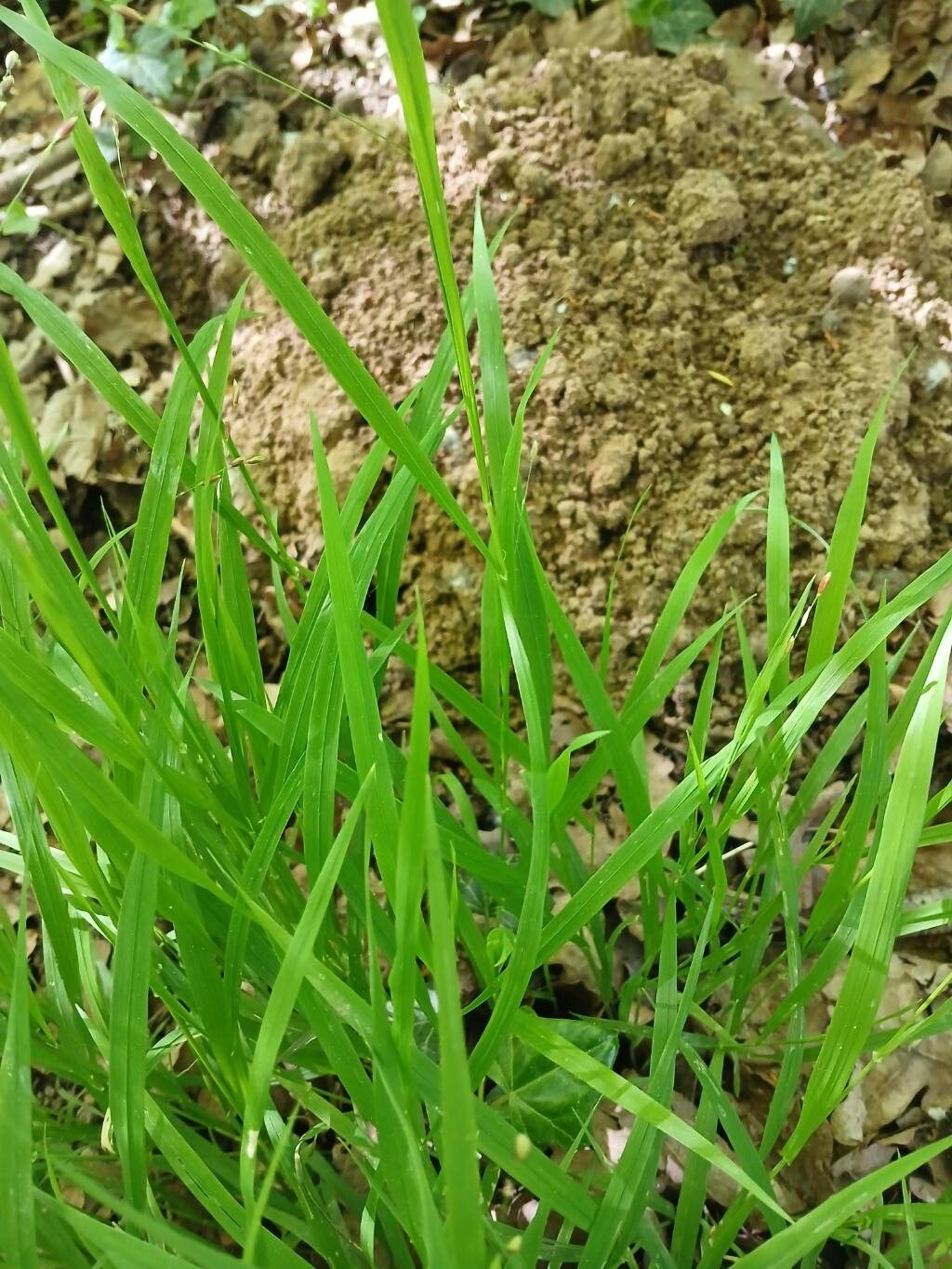
Oh, hello there! Come on in, grab a mug. I’ve been looking forward to chatting with you about one of my favorite little gems: Melica uniflora, or woodland melic grass. If you’re drawn to delicate beauty and a touch of wild charm, this grass is for you. Its graceful, arching stems and airy flower plumes bring a sense of gentle movement to any shady spot. And the best part? It’s surprisingly rewarding to propagate, even for those just dipping their toes into the world of plant propagation. I’d say it’s a pretty easy one to start with, which is always a bonus!
The Best Time to Start
For the highest success rate with Melica uniflora, I’ve found early spring to be your best bet. This is when the plant is really waking up after its winter rest and has plenty of energy to dedicate to new growth. Alternatively, you can also have good luck in the late summer or early fall, just as things start to cool down a bit. If you’re dividing established clumps, you can do that as soon as the ground is workable in spring.
Supplies You’ll Need
To get your Melica uniflora propagation journey started, here’s what you’ll want to have on hand:
- Sharp pruning shears or a clean knife: For making precise cuts.
- Well-draining potting mix: I like a blend of equal parts peat moss, perlite, and compost for divisions. For cuttings, a lighter mix of perlite and seed-starting mix is perfect.
- Small pots or seed trays: Clean ones are essential to avoid disease.
- Watering can with a fine rose: To water gently without disturbing seedlings or cuttings.
- Plastic bags or humidity domes: To create a humid environment for cuttings.
- Rooting hormone (optional but helpful): Especially for cuttings, this can give them a nice boost.
- Labels: So you don’t forget what you planted where!
- Gloves (optional): Some folks prefer them.
Propagation Methods
Melica uniflora is most commonly and successfully propagated by division. It’s a straightforward process that really works a treat for this grass.
Division
- Gently excavate: In early spring, carefully dig up your Melica uniflora plant. Try to get as much of the root ball as possible. If it’s a young plant, this will be easier. For larger, established clumps, you might need to use a spade to help loosen it.
- Inspect the roots: Gently shake off some of the excess soil so you can see the structure of the plant. Look for natural divisions within the root system. You’ll see where one shoot emerges from the ground.
- Divide and conquer: You can often pull the plant apart with your hands. If the roots are tangled, use your sharp pruning shears or knife to make clean cuts. Aim to separate the clump into smaller sections, each with at least one healthy shoot and a good portion of roots. Don’t be afraid to get in there; think about creating smaller, manageable plants.
- Replant immediately: Pot up your new divisions into pots filled with your well-draining potting mix. Water them in gently to help settle the soil around the roots.
- Initial watering: Give the newly divided plants a good, thorough watering. You want the soil to be moist but not waterlogged.
While division is king for Melica uniflora, you can try seed propagation, but it’s generally slower and can be more variable. If you have your heart set on seeds, collect them when the seed heads turn golden brown in mid to late summer. Dry them thoroughly for a few weeks, then sow them on the surface of a moist seed-starting mix in the fall or early spring. Patience is definitely key here!
The “Secret Sauce” (Pro Tips)
Here are a couple of little tricks I’ve learned over the years that really help boost your success with Melica uniflora:
- Don’t overthink the division: Honestly, these grasses are quite forgiving. If a division looks a bit small, it can still grow. Just make sure each piece has some roots and a bit of green to get it going. The plant wants to live!
- Mimic its natural home: Melica uniflora loves a shady, cool, and slightly moist environment. When you’re replanting divisions, try to recreate that feeling. Avoid direct, scorching sun for the first few weeks. A lightly shaded spot is perfect.
- Water, but don’t drown: This is critical. You want the soil to stay consistently moist, especially for young divisions, but never soggy. Soggy soil is the fastest way to invite root rot, and no one wants to see that happen to their precious new plants.
Aftercare & Troubleshooting
Once your divisions are potted up, keep them in a partially shaded location. Water them consistently, but always check the soil moisture with your finger before watering again. You’ll know they’re happy when you start to see new shoots or the existing ones perk up considerably.
The biggest challenge you might face is root rot, which is usually caused by overwatering. If you see your new plant looking limp and the soil is perpetually wet, that’s a red flag. Unfortunately, if root rot sets in, it can be hard to recover the plant. Another sign of trouble is if the leaves start to yellow and die back rapidly without any new growth appearing over several weeks. In this case, check the moisture level and ensure it’s not too wet. Sometimes, a bit of stress during division is normal, so a little initial wilting isn’t always a cause for alarm.
A Encouraging Closing
So there you have it! Propagating Melica uniflora through division is a wonderfully accessible way to fill your garden with more of this delightful grass, or to share it with friends. Remember, gardening is a journey, and propagation is part of that beautiful process. Be patient, enjoy the gentle rhythm of working with plants, and don’t be afraid to get your hands a little dirty. Happy propagating!
Resource:
https://identify.plantnet.org/k-world-flora/species/Melica%20uniflora%20Retz./data