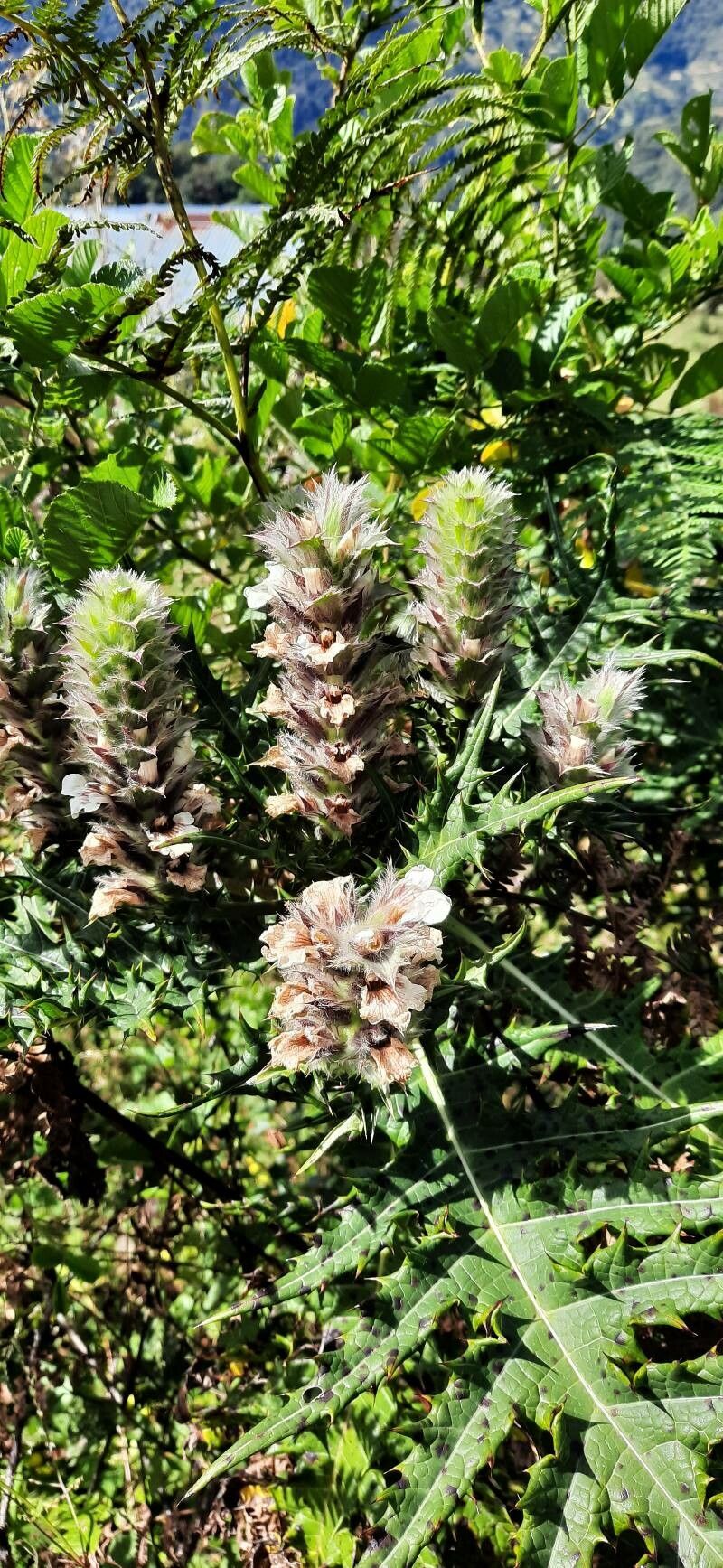
Oh, Acanthus! Also known as Bear’s Breeches. What a dramatic plant! I just adore the architectural foliage and those wonderful spires of bloom that look like they’ve been sculpted by some ancient artisan. They bring such a sense of gravitas to a garden, don’t they? And you know, sharing that beauty by propagating them is such a joy. If you’re new to this, don’t worry. Acanthus can be a little bit of a specialist, but with a few pointers, I think you’ll find it more satisfying than daunting. Let’s get those new plants started!
The Best Time to Start
My sweet spot for propagating Acanthus comes in early spring. This is when the plant is just waking up from its winter slumber and has a good surge of energy for new growth. You can also have success with late summer, just before the intense heat of the year fully sets in, allowing the new divisions or cuttings to establish before cooler weather arrives. The key is to work with actively growing, but not stressed, plant material.
Supplies You’ll Need
Before we get our hands dirty, let’s gather our tools:
- Sharp pruning shears or a clean knife: For taking cuttings or dividing. Sterilize them with rubbing alcohol between cuts, especially if you’ve been working with other plants – we don’t want to spread any yucky stuff!
- Well-draining potting mix: A mix of equal parts peat moss or coco coir, perlite, and compost works beautifully. Acanthus absolutely hates wet feet, so good drainage is non-negotiable.
- Rooting hormone (optional but recommended): A powder or liquid that encourages faster root development.
- Small pots or trays: Clean ones, of course! Small to medium sizes are ideal for new propagations.
- Labels and a marker: So you remember what you planted where!
- Watering can with a fine rose: Gentle watering is key.
- A warm, bright location: Out of direct, scorching sun is best for initial establishment.
- A clear plastic bag or propagator lid: To create a humid microclimate.
Propagation Methods
There are a couple of ways we can coax new Acanthus plants into existence. My favorite, and often the most successful, is through division.
Division
This is my go-to for Acanthus. It’s best done when the plant is dormant or just starting to wake up in early spring.
- Gently excavate: Dig a generous circle around the base of your mature Acanthus plant. You want to get as much of the root ball as possible without causing too much disturbance.
- Loosen the soil: Gently shake away excess soil from the roots. You’re looking for distinct crowns or buds where new shoots will emerge.
- Identify your divisions: With a clean, sharp spade or knife, carefully cut the root ball into sections. Each section should have at least one healthy bud or crown and a good portion of roots. Don’t be afraid if you have to be a bit firm here; Acanthus has a robust root system.
- Pot them up: Replant each division into its own pot filled with your well-draining mix. The crown should be just at the soil surface.
- Water gently: Water thoroughly but sparingly. You want the soil to be moist, not soggy.
- Provide warmth and humidity: Place the pots in a bright spot with indirect light. Cover them with a clear plastic bag or propagator lid to maintain humidity.
While division is the most reliable, you can also try root cuttings, though this takes a bit more patience.
Root Cuttings
Think of this as growing a whole new plant from a piece of its root!
- Take cuttings: During the spring division process, you can take sections of thicker roots (about pencil thickness) that don’t have any visible shoots. Cut them into 2-3 inch lengths.
- Plant the cuttings: Lay the root cuttings horizontally on the surface of your well-draining potting mix in a tray or pots. Lightly cover them with a thin layer of soil.
- Water and cover: Water gently and cover the tray or pots with a clear plastic bag or propagator lid.
- Be patient: This method can take several weeks, or even months, for roots and eventually shoots to appear. Keep the soil consistently moist but not wet.
The “Secret Sauce” (Pro Tips)
Over the years with Acanthus, I’ve learned a few tricks that really make a difference.
- Don’t be too tender with divisions: Acanthus roots are tough. Don’t hesitate to make a clean cut through thick roots to ensure you get viable sections. A bit of initial scarring will heal and encourage new growth.
- Bottom heat is your friend: Especially for root cuttings. Placing your propagation tray on a heat mat set to a mild temperature (around 70-75°F or 21-24°C) will significantly speed up root formation. It mimics perfect spring soil temperatures.
- Let it breathe: While humidity is good, stagnant, wet air can lead to fungal issues. If you see condensation building up excessively on your covers, lift the bag or lid for an hour each day to allow for air circulation.
Aftercare & Troubleshooting
Once you see signs of new growth – a little emerging shoot or a cluster of roots peeking out the bottom of the pot – you’re on your way!
Caring for New Plants:
- Gradual acclimatization: Slowly start introducing your new plant to less humid conditions and brighter light over a week or two. Remove the plastic cover gradually.
- Regular watering: Keep the soil consistently moist but not waterlogged. Water when the top inch of soil feels dry to the touch.
- Potting up: Once the plant has developed a good root system and is actively growing, it’s time to pot it up into a slightly larger container.
Common Issues:
- Rot: This is the most common killer of new propagations. It’s usually a sign of too much moisture and not enough air circulation. If you see mushy, discolored stems or roots, unfortunately, it’s likely a goner. Learn from it and aim for slightly drier conditions next time.
- No growth: Sometimes, a cutting or division is just not viable. Don’t despair! Acanthus can be slow to establish. Give it patience. If after several months with no signs of life and conditions are good, it’s probably time to try again with fresh material.
A Gentle Encouragement
Growing new plants from your favorites is one of gardening’s greatest rewards. Be patient with your Acanthus; they march to their own beat sometimes! Enjoy the process of nurturing these new lives, and before you know it, you’ll have more of those magnificent Bear’s Breeches to grace your garden or share with fellow plant lovers. Happy propagating!
Resource:
https://identify.plantnet.org/k-world-flora/species/Acanthus%20carduaceus%20Griff./data