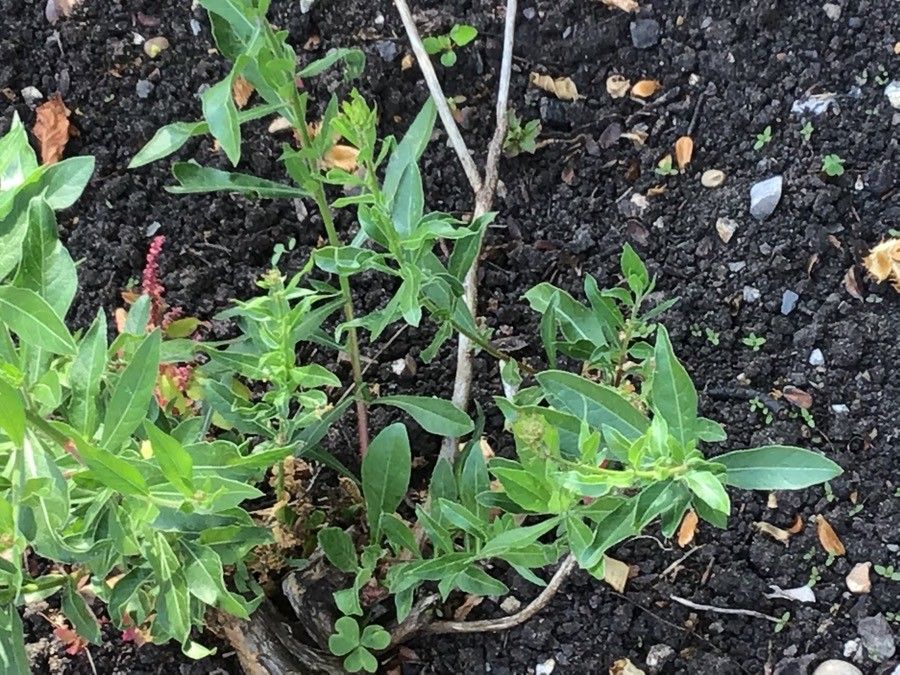
Hey there, fellow plant enthusiasts! I’m so excited to chat with you today about one of my personal favorites: Oenothera rhombipetala, also known as the diamond-petal evening primrose. You know, the ones with those gorgeous, delicate yellow blooms that unfurl in the late afternoon and light up the evening garden? They’re just magical. And the best part? They’re surprisingly easy to share! Propagating them is a wonderfully rewarding way to fill your garden, or surprise a friend with a living gift. For beginners, you’ll be happy to know this little gem is quite forgiving.
The Best Time to Start
When it comes to getting your Oenothera rhombipetala off to a great start, late spring to early summer is your golden window. You’re looking for actively growing, healthy stems that aren’t too woody. Think of it as capturing the plant at the peak of its youthful vigor. This is when they have the most energy to put into developing new roots.
Supplies You’ll Need
Before we dive in, let’s get our toolkit ready. Nothing too fancy here, just the essentials:
- Sharp pruning shears or a clean knife: For taking clean stem cuttings.
- A well-draining potting mix: I like a blend of equal parts seed-starting mix and perlite for excellent aeration.
- Small pots or seed trays: Clean ones, please!
- Rooting hormone (optional but helpful): A powder or gel makes a big difference.
- Watering can with a fine rose nozzle: To avoid disturbing delicate seedlings.
- Clear plastic bags or domes: To create a humid environment.
Propagation Methods
Oenothera rhombipetala is a champion at propagating from stem cuttings. It’s my go-to method for a reason!
- Take Your Cuttings: Gently select a healthy, non-flowering stem about 4-6 inches long. Using your clean shears or knife, make a clean cut just below a leaf node (that little bump where a leaf attaches to the stem). We want to try and get as many nodes below the soil as possible.
- Prepare the Cuttings: Remove the lower leaves from the cutting, leaving just a few at the top. This prevents them from rotting when they’re in the soil. If your stem is quite long, you can even cut it in half to create two cuttings from one!
- Dip in Rooting Hormone (Optional): If you’re using rooting hormone, dip the cut end into the powder or gel, tapping off any excess. This encourages faster and stronger root development.
- Pot Them Up: Fill your small pots with your prepared potting mix. Make a little hole in the center with your finger or a pencil. Gently insert the cut end of the stem into the hole, ensuring at least two leaf nodes are buried. Firm the soil gently around the stem.
- Water and Cover: Water the pot thoroughly until water drains from the bottom. Then, cover the pot with a clear plastic bag or a plastic dome. This creates a mini-greenhouse, keeping humidity high, which cuttings love.
The “Secret Sauce” (Pro Tips)
Here are a few tricks I’ve learned over the years that can really boost your success rate:
- Don’t let leaves touch the water in propagation vases: If you choose to go the water propagation route for a few cuttings alongside stem cuttings in soil, make absolutely sure no leaves are submerged. They’ll just rot and invite trouble. Keep only the stem in the water.
- Bottom Heat is Your Friend: For those extra-stubborn cuttings, a gentle source of bottom heat can work wonders. A heated seed tray or even placing the pots on top of a modem or refrigerator can provide that subtle warmth that encourages roots to emerge faster. It mimics the warmth of the soil in summer.
- Patience and Observation: Seriously, this is the biggest one. Don’t be tempted to tug on the cuttings to see if they’ve rooted. You’ll only damage delicate new roots. Instead, look for signs of new growth at the top – tiny leaves unfurling are a sure sign they’re happily getting established.
Aftercare & Troubleshooting
Once you see those little roots starting to emerge (you might even see them peeking through the drainage holes!), it’s time to treat them a little more like a mature plant. Gradually remove the plastic cover over a few days to help them acclimatize to drier air. Continue to keep the soil consistently moist but not soggy. As they grow stronger and develop more leaves, you can transplant them into slightly larger pots or directly into their garden homes.
The most common issue you’ll encounter is rot. If a cutting turns black and mushy, it’s usually a sign of too much moisture and not enough airflow. Unfortunately, once rot sets in, it’s hard to save. The best defense is to ensure good drainage and avoid overwatering. If you see wilting and the soil feels dry, it’s likely a sign the cutting didn’t take and has dried out.
A Encouraging Closing
So there you have it! Propagating Oenothera rhombipetala is a delightful journey. Be patient with your little green babies, celebrate every new leaf and every tiny root. Gardening is all about learning and growing, and sharing that magic is one of the greatest joys. Happy propagating, and enjoy the beauty these evening primroses bring to your garden!
Resource:
https://identify.plantnet.org/k-world-flora/species/Oenothera%20rhombipetala%20Nutt./data