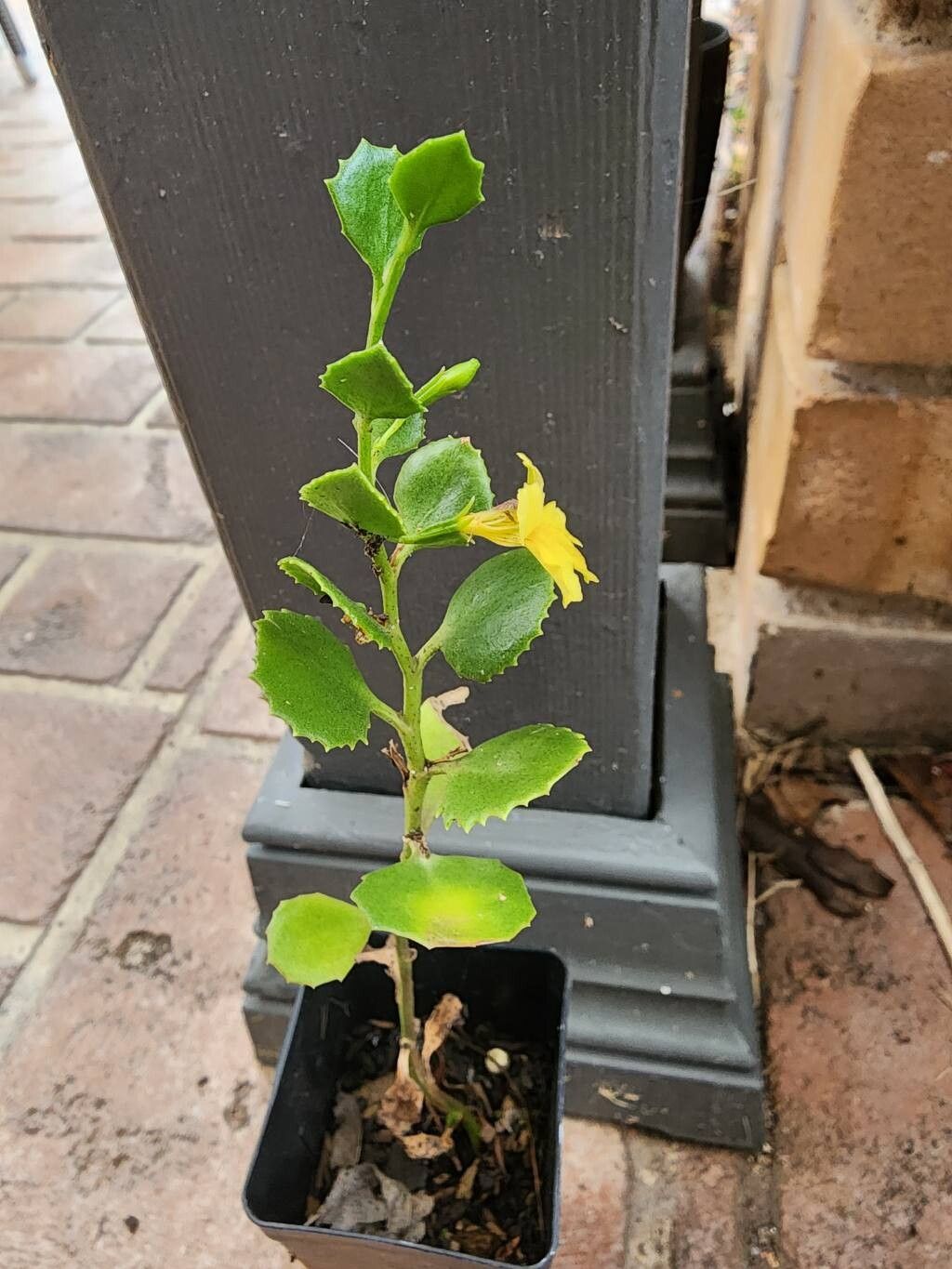
Hello, fellow garden enthusiasts! If you’ve ever admired those cheerful, often vibrantly colored blooms of Goodenia, you’re in for a treat. Getting more of these delightful plants for your own garden, or even to share with friends, is a deeply satisfying experience. And the best part? Propagating Goodenia varia is surprisingly accessible, even for those just dipping their toes into the world of plant propagation. It’s a truly rewarding endeavor that brings more beauty to our lives, one little plant at a time.
The Best Time to Start
The sweet spot for propagating Goodenia varia is undoubtedly late spring to early summer. This is when the plant is actively growing, full of vigor. You’ll find it produces the best, most vigorous cuttings then. Think of it as catching your plant at its peak performance – that energy translates directly into successful rooting.
Supplies You’ll Need
Gathering your supplies upfront makes the whole process smooth sailing. Here’s what I typically reach for:
- Sharp, clean pruning shears or a sharp knife: Essential for making clean cuts.
- A well-draining potting mix: A good quality commercial potting mix with added perlite or coarse sand works wonders. You can also make your own by mixing equal parts peat moss, perlite, and a little compost.
- Small pots or seedling trays: Clean ones are a must to prevent disease.
- Rooting hormone (optional but recommended): This can significantly boost your success rate. Look for a powder or gel.
- A spray bottle: For gently misting your cuttings.
- Clear plastic bags or a propagation dome: To create a humid environment.
- Labels and a marker: For keeping track of your babies!
Propagation Methods
Goodenia varia is quite forgiving, and I find stem cuttings to be the most reliable and common method. It’s straightforward and yields great results.
Stem Cuttings:
- Select your cuttings: Choose healthy, non-flowering stems from a mature Goodenia varia plant. Look for stems that are about 4-6 inches long. These should be active, but not brand new, soft growth.
- Make the cut: Using your sterilized pruning shears or knife, make a clean cut just below a leaf node. A leaf node is that little bump on the stem where a leaf attaches. This is where the magic of root formation happens.
- Prepare the cutting: Gently remove the lower leaves from the stem, leaving only a couple of leaves at the very top. This reduces water loss and prevents leaves from rotting in the soil or water.
- Apply rooting hormone (optional): If you’re using rooting hormone, dip the cut end of the stem into the powder or gel. Tap off any excess.
- Plant the cutting: Make a small hole in your well-draining potting mix using a pencil or your finger. Insert the cut end of the stem into the hole, ensuring the leaf nodes are below the soil surface. Gently firm the soil around the stem.
- Water gently: Water the potting mix lightly until it’s moist but not waterlogged. A gentle mist from your spray bottle is ideal.
- Create humidity: Place the pot in a clear plastic bag, ensuring the bag doesn’t touch the leaves too much, or cover it with a propagation dome. This creates a mini-greenhouse effect, keeping the humidity high, which is crucial for cuttings to root.
- Provide light and warmth: Place your cuttings in a bright spot but out of direct sunlight. A little gentle warmth from the bottom, like a heat mat, can speed up the rooting process, but it’s not strictly necessary.
The “Secret Sauce” (Pro Tips)
It’s the little things that often make the biggest difference. Here are a couple of my go-to tricks:
- Don’t let the leaves touch the water (if you choose water propagation): While I primarily recommend soil for Goodenia, if you do try water for a few cuttings, ensure no leaves are submerged. Any submerged foliage will rot, which can infect the stem and prevent rooting.
- The power of bottom heat: While not essential, providing gentle bottom heat for your cuttings can really speed up root development. A seedling heat mat set to around 70-75°F (21-24°C) is perfect. It signals to the cutting that it’s a good time to put out roots.
- Patience with pollination: Sometimes, if you let your Goodenia go to seed, you might find small offsets forming near the base of the parent plant. These can often be carefully divided when the plant is dormant or just starting its active growth phase, provided they have a few tiny roots already.
Aftercare & Troubleshooting
Once your Goodenia varia cuttings have developed a healthy root system – you can often tell by gently tugging the cutting and feeling resistance, or by seeing new leaf growth – it’s time to transition them to their own little pots.
Caring for New Plants:
- Potting up: Carefully transplant your rooted cuttings into individual pots filled with your favorite well-draining potting mix.
- Acclimatization: If they’ve been in a humid environment (like under a plastic bag), gradually acclimate them to normal room humidity over a few days. Start by opening the bag for a few hours each day.
- Watering: Water them thoroughly once potted, and then allow the top inch of soil to dry out between waterings. They still need consistent moisture but avoid sogginess.
- Light: Continue to provide bright, indirect light.
Troubleshooting:
The most common issue you might encounter is rot. This usually happens due to overwatering or poor air circulation, which can lead to fungal infections. If you see your cutting becoming mushy or developing dark, soft spots, it’s likely rot. Unfortunately, there’s not much to do once it sets in. Prevention is key: use well-draining soil, don’t overwater, and ensure decent air circulation. Yellowing leaves can sometimes indicate overwatering or a lack of nutrients, but with cuttings, it often points back to issues with moisture or insufficient rooting.
A Encouraging Closing
Don’t be discouraged if your first few attempts aren’t perfect. Gardening is a journey, and propagating plants is an art learned through practice. Be patient with your cuttings, observe them closely, and celebrate every tiny success. The joy of watching a new plant unfurl its leaves, knowing you helped it grow, is truly a special feeling. Happy propagating!
Resource:
https://identify.plantnet.org/k-world-flora/species/Goodenia%20varia%20R.Br./data