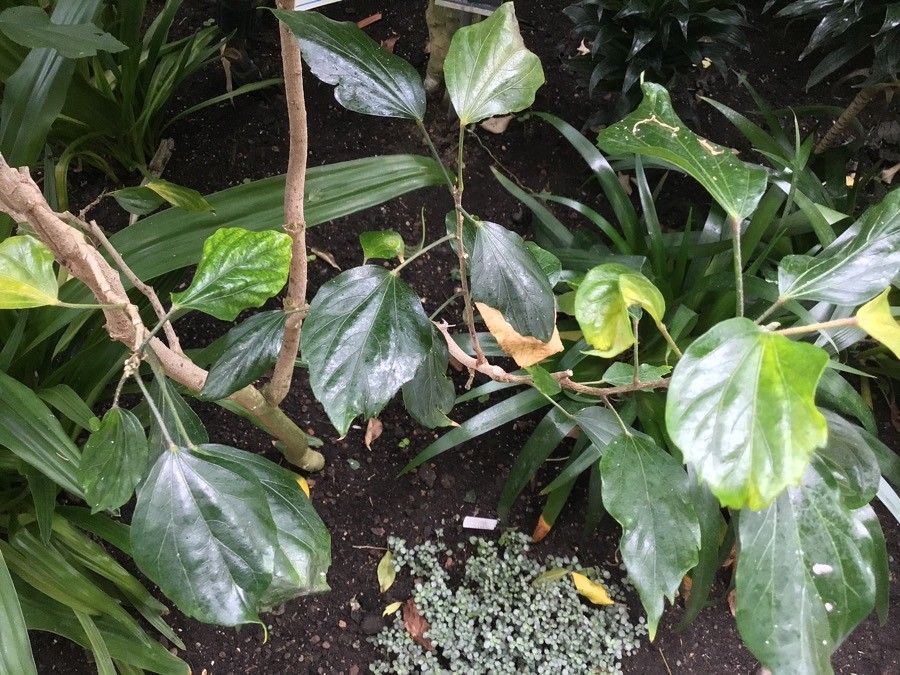
Oh, hello there! It’s so lovely to chat with you today about one of my favorite garden companions: Hibiscus bojerianus. If you’re looking for a splash of vibrant color and some truly unique floral charm, this is your plant. And the joy of creating more of these beauties from your existing ones? Absolutely priceless. Don’t worry, while Hibiscus bojerianus can be a little particular, it’s definitely a rewarding project and not as daunting as it might sound. We’ll get through it together!
The Best Time to Start
For the highest success rate with Hibiscus bojerianus, I always recommend taking cuttings in late spring or early summer. This is when the plant is actively growing, and the stems are more likely to have enough energy and hormones to root readily. You’re looking for stems that are somewhat mature but still flexible – not old, woody growth, and definitely not brand new, super soft shoots. Think of it as the “just right” tender growth.
Supplies You’ll Need
To give yourself the best chance of success, gather these goodies before you begin:
- Sharp Pruning Shears or a Craft Knife: For clean cuts, which are crucial.
- Rooting Hormone (Optional but Recommended): A powder or gel can really give your cuttings a boost.
- Potting Mix: A light, well-draining mix is key. I like to use a blend of perlite, coco coir, and a bit of peat moss. You can also buy specific seed starting or propagation mixes.
- Small Pots or Seed Trays: Clean containers are important to prevent disease.
- Plastic Bags or Humidity Domes: To create a humid environment for your cuttings.
- Watering Can or Spray Bottle: For gently moistening the soil.
- Labels: Don’t forget to label your precious babies!
Propagation Methods
I find stem cuttings to be the most reliable way to propagate Hibiscus bojerianus. Here’s how I do it:
Stem Cuttings
- Select Your Parent Plant: Choose a healthy, vigorous Hibiscus bojerianus.
- Take Cuttings: Using your clean shears or knife, take cuttings that are about 4-6 inches long. Make the cut just below a leaf node (where a leaf attaches to the stem).
- Prepare the Cuttings: Remove all but the top two leaves from each cutting. If the remaining leaves are very large, you can cut them in half to reduce water loss.
- Apply Rooting Hormone (If Using): Dip the cut end of the stem into the rooting hormone, tapping off any excess.
- Plant the Cuttings: Moisten your potting mix. Poke a hole in the mix with a pencil or your finger and insert the cutting, ensuring the node where you removed the leaves is buried. Gently firm the soil around it.
- Water Gently: Water the pot lightly to settle the soil.
- Create a Humid Environment: Cover the pot with a clear plastic bag or a humidity dome. Make sure the leaves don’t touch the plastic. You can prop up the bag with stakes if needed. Place the pot in a bright spot out of direct sunlight.
The “Secret Sauce” (Pro Tips)
Here are a few things I’ve learned over the years that really make a difference:
- Bottom Heat is Your Friend: If you have a heat mat, placing your pots on it can significantly speed up rooting by keeping the soil temperature consistently warm. Aim for around 70-75°F (21-24°C).
- The “Heel” Method: Sometimes, taking cuttings from slightly older wood that has a tiny bit of the previous year’s growth attached (a “heel”) can result in faster rooting. You’ll want to carefully trim away any old, tough bark from the very bottom of this “heel.”
- Sterilize Everything: Before and after you take cuttings, give your pruning shears or knife a quick wipe with rubbing alcohol. This is a simple step that can prevent a lot of fungal issues.
Aftercare & Troubleshooting
Once your cuttings are potted and covered, keep the soil consistently moist but not soggy. Check daily for moisture and mist the inside of the plastic bag or dome if it looks dry.
You’ll know they’re rooting when you see new leaf growth or feel a gentle tug when you very carefully try to lift a cutting. This can take anywhere from 3 weeks to 2 months, so patience is key!
If you notice leaves turning yellow and mushy, or the entire cutting becoming limp and rotting, it’s usually a sign of too much moisture or a lack of air circulation. Try removing any rotting parts, increasing ventilation by poking more holes in the bag, and letting the soil dry out just a touch. Don’t be discouraged if some don’t make it – it happens to everyone!
A Little Encouragement
Propagating plants is such a wonderful way to connect with nature and expand your garden for free! Be patient with Hibiscus bojerianus, offer it good care and the right environment, and you’ll soon be rewarded with a whole new generation of these exquisite flowers. Enjoy the journey, and happy propagating!
Resource:
https://identify.plantnet.org/k-world-flora/species/Hibiscus%20bojerianus%20Baill./data