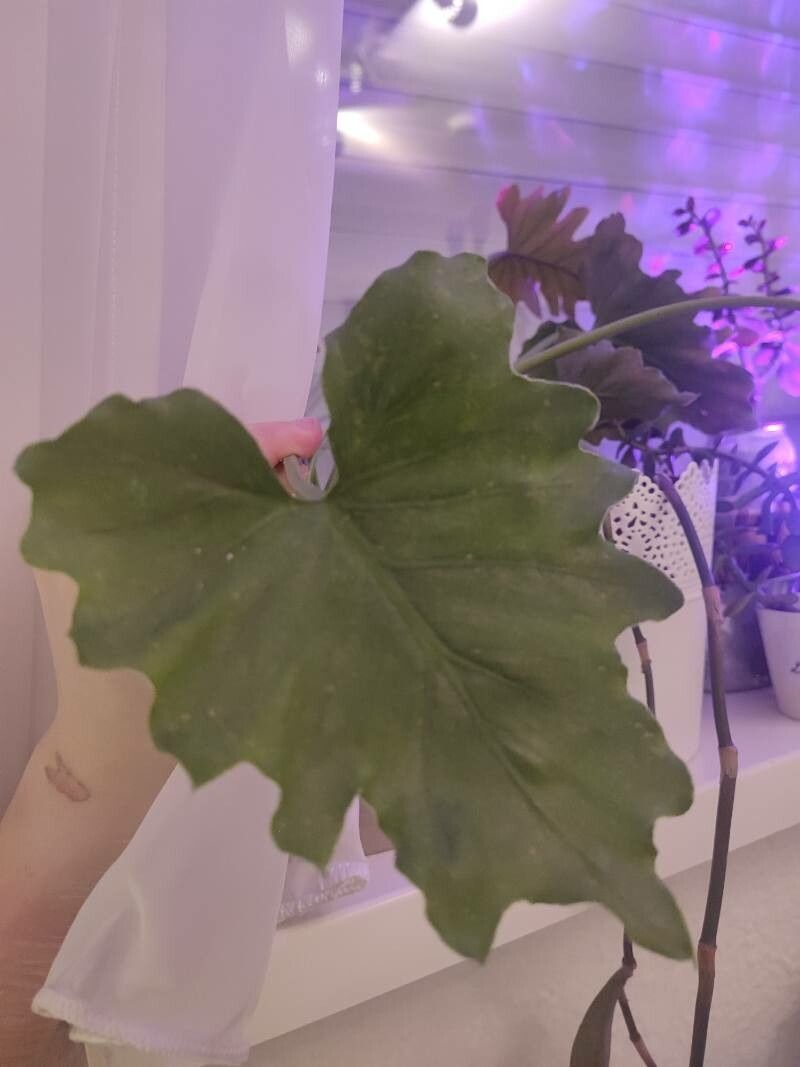
Oh, hello there! Pull up a chair and let’s chat about one of my absolute favorite houseplants: the Alocasia nycteris. You know, those magnificent plants with the dramatic, dark foliage that just exude a tropical vibe? They’re utterly captivating. And the best part? You can actually grow more of them! Propagating your own Alocasia nycteris is incredibly rewarding. Watching a tiny offset or a cutting transform into a new, thriving plant feels like pure magic. Now, I won’t lie; some alocasias can be a bit fussy, but Alocasia nycteris is actually quite manageable, making it a fantastic choice for those of you looking to dip your toes into propagation.
The Best Time to Start
When it comes to propagating Alocasia nycteris, spring and early summer are your best friends. Think of it as the plant’s prime growth period! During these warmer months, the plant is actively producing energy and is more likely to dedicate that energy to developing new roots and shoots. You’ll see the most success when the plant is healthy and actively putting out new leaves. Starting a new propagation project when your original plant is buzzing with life just makes sense!
Supplies You’ll Need
Before we get our hands dirty, let’s gather our tools. Having everything ready makes the process so much smoother.
- Sharp Pruning Shears or a Clean Knife: For making clean cuts.
- Well-Draining Potting Mix: I like a blend of coco coir, perlite, and a bit of orchid bark. You want it airy!
- Small Pots or Propagation Trays: Clean pots are a must!
- Rooting Hormone (Optional but Recommended): A little dip can give your cuttings a great start.
- Clear Plastic Bag or Dome: To create a humid environment.
- Water: For water propagation.
- Spring Water or Filtered Water: Alocasias can be sensitive to tap water chemicals.
Propagation Methods
Alocasia nycteris is wonderfully versatile, and we can propagate it using a couple of common and effective methods.
Division: The Natural Way
This is often the easiest route, as your Alocasia nycteris will naturally produce offsets, or “pups,” at its base.
- Gently Remove from Pot: Carefully take your Alocasia nycteris out of its current pot. You might need to loosen the soil around the edges with your fingers.
- Identify Offsets: Look for small plantlets emerging from the base of the mother plant. They will often have their own tiny leaves.
- Separate Carefully: Using your clean fingers or a gentle wiggle, try to separate an offset from the mother plant. If it’s strongly attached, use your sharp pruning shears or knife to make a clean cut, ensuring the offset has at least one intact “mother bulb” or root section.
- Pot Up: Plant the offset in its own small pot filled with your well-draining potting mix. Water lightly.
Stem Cuttings: For the Ambitious Gardener
This method requires a bit more patience, but it’s incredibly satisfying.
- Choose a Healthy Stem: Look for a mature stem on your Alocasia nycteris that has at least one leaf and ideally a small nub of a rhizome or a node.
- Make a Clean Cut: Using your sharp pruning shears or knife, cut the stem just below a node. A node is a slight bump on the stem where a leaf or root will emerge.
- Prepare the Cutting: If your cutting has large leaves, you can sometimes cut them in half to reduce water loss. If there’s a lower leaf on the stem that might rot in the soil, you can remove it.
- Apply Rooting Hormone (Optional): Dip the cut end of the stem into rooting hormone powder.
- Plant in Potting Mix: Make a hole in your potting mix and insert the cut end of the stem. Gently firm the soil around it.
- Create Humidity: Cover the pot with a clear plastic bag or place it in a propagation dome. This is crucial to keep the humidity high, which these tropical beauties love!
Water Propagation: The Watch-and-See Method
This is a beautiful way to watch the magic unfold, but remember, not all plants transition successfully from water to soil.
- Take Your Cutting: Follow steps 1-3 from the stem cutting method. Ensure your cutting has at least one node.
- Place in Water: Submerge the cut end of the stem in a jar or glass of spring or filtered water. Make sure the node is submerged, but try to keep the leaves out of the water.
- Find a Bright Spot: Place the jar in a location with bright, indirect light.
- Change Water Regularly: Change the water every 3-4 days to keep it fresh and prevent bacteria growth.
The “Secret Sauce” (Pro Tips)
Here are a few tricks I’ve learned over the years that really make a difference.
- Bottom Heat is Your Friend: Alocasia nycteris roots really appreciate a little warmth from below. Placing your pots on a heat mat designed for seedlings can significantly speed up root development. It mimics that perfect tropical soil temperature.
- Don’t Overwater Early On: This is a big one! While humidity is key, the newly planted cuttings or divisions can be susceptible to rot if the soil is waterlogged. Let the top inch of the soil dry out slightly between waterings, especially in the initial stages.
- The Power of the Rhizome: With division, focus on getting a piece of the original rhizome attached to your offset. This is where the stored energy is, giving your new plant a fantastic head start. If you end up with a cutting that has no hint of a rhizome but has a good node, that’s where the rooting hormone and high humidity become even more critical.
Aftercare & Troubleshooting
Once you see those little white roots appearing, it’s time to adjust your care.
- Transitioning from Water: If you propagated in water, wait until the roots are at least an inch long (and ideally branched a bit) before planting them in soil. Be very gentle with those delicate roots!
- Continued Humidity: Keep the humidity high for your new plants for the first few weeks. They’re still a bit fragile.
- Gradual Acclimation: Don’t immediately blast your new plant with direct sun. Gradually introduce it to bright, indirect light.
- Watch for Rot: The most common enemy is rot, which appears as mushy, black stems or roots. This usually means too much moisture and not enough airflow. If you see it, remove the affected parts immediately with a clean cut. It’s often better to err on the side of slightly drier than too wet. Yellowing leaves can also indicate overwatering or stress.
A Little Encouragement
Propagating Alocasia nycteris is a journey, and like all good gardening endeavors, it requires a little patience. Don’t be discouraged if your first attempt isn’t an instant success. Learn from it, adjust your technique, and try again! The joy of nurturing a new plant from a tiny piece of another is truly unparalleled. So, get your hands dirty, embrace the process, and happy propagating!
Resource: