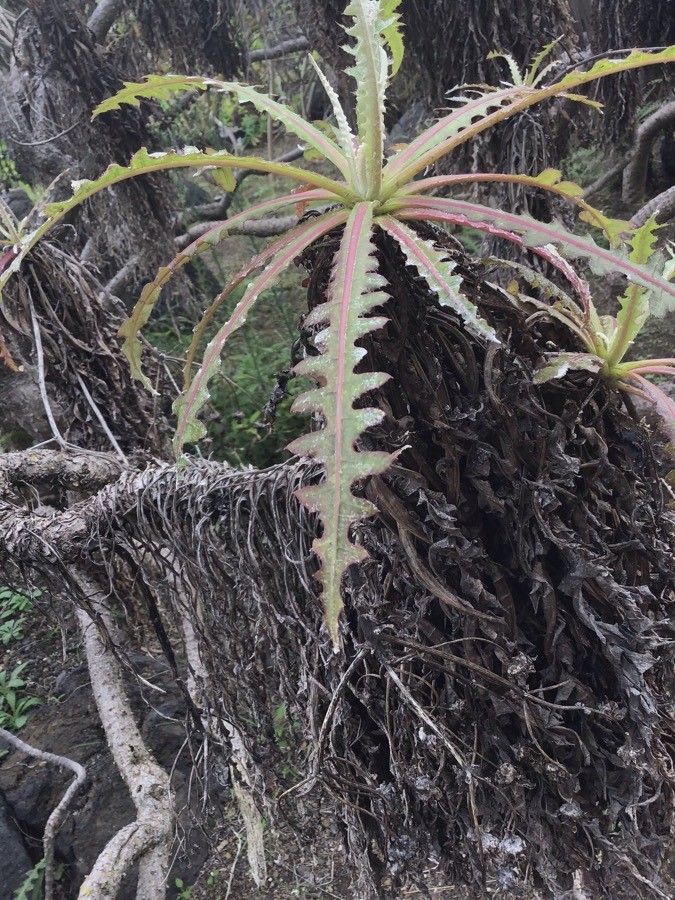
Oh, hello there! So, you’ve got your eye on Sonchus ortunoi, that lovely bit of green with a personality, haven’t you? I’m so glad you asked about propagating it. It’s one of those plants that just brings a smile to my face, and sharing that joy by creating more of them is an absolute delight.
Why Propagate Sonchus ortunoi?
This little charmer, sometimes called “Orunoi’s Sowthistle” (though don’t let the “thistle” name fool you, it’s much better behaved!), offers such a wonderful architectural element to the garden. Its unique foliage and, if you’re lucky, delicate blooms are a real treat. And honestly, there’s nothing quite like nurturing a new life from a tiny snipped piece. It’s incredibly rewarding, and for Sonchus ortunoi, I’d say it’s pretty beginner-friendly, which is always a bonus!
The Best Time to Start
For the highest success rate, early spring is your best bet. This is when the plant is waking up from its winter slumber and has the most energy for new growth. You can also have good luck with late summer, after the intense heat of midsummer has passed, giving your new cuttings a cooler period to establish. Look for healthy, vigorous stems that aren’t flowering.
Supplies You’ll Need
Gather these bits and bobs, and you’ll be well on your way:
- Sharp, clean pruning shears or a sharp knife: Essential for making clean cuts.
- Well-draining potting mix: I like a 50/50 blend of standard potting soil and perlite or coarse sand. This prevents waterlogging.
- Small pots or propagation trays: Anything that holds your mix and has drainage holes.
- Rooting hormone (optional but helpful): Available as a powder or gel. It really gives your cuttings a boost.
- Watering can or spray bottle: For gentle watering.
- Plastic bag or humidity dome: To create a mini-greenhouse effect.
Propagation Methods
Let’s get our hands dirty! For Sonchus ortunoi, I’ve found a couple of methods work particularly well.
1. Stem Cuttings (My Go-To!)
This is my favorite method for Sonchus ortunoi. It’s straightforward and usually gives fantastic results.
- Select your stem: Find a healthy stem that’s about 4-6 inches long. It should be firm but not woody. Again, avoid flowering stems if possible.
- Make the cut: Using your clean shears, make a clean cut just below a leaf node (the point where a leaf attaches to the stem). This is where roots are most likely to form.
- Prepare the cutting: Gently remove the lower leaves, leaving just a couple at the very top. If any of these leaves are very large, you can even snip them in half to reduce water loss.
- Dip in rooting hormone (optional): If you’re using rooting hormone, dip the cut end into the powder or gel, tapping off any excess.
- Plant your cutting: Fill your small pot with your well-draining mix. Make a small hole with your finger or a pencil, and insert the cut end of your stem. Gently firm the soil around it so it stands upright.
- Water gently: Water thoroughly but gently. You don’t want to dislodge your cutting.
- Create a humid environment: Cover the pot with a clear plastic bag (secure it with a rubber band around the rim) or place it under a humidity dome. This is crucial for preventing the cutting from drying out. Place it in bright, indirect light.
2. Division (For Established Plants)
If you have a larger, mature Sonchus ortunoi plant that has been in its pot or bed for a while, you can often divide it.
- Gently unpot the plant: Carefully remove the entire plant from its container. If it’s in the ground, loosen the soil around it with a trowel.
- Inspect the root ball: You’ll likely see multiple crowns (growth points) attached by roots.
- Separate the divisions: Gently tease apart the root ball with your fingers or use a clean, sharp knife to cut through any tough roots, ensuring each division has a good portion of roots and at least one or two healthy shoots.
- Pot them up: Plant each division in its own pot filled with your well-draining mix, watering them in gently.
The “Secret Sauce” (Pro Tips)
Here are a few things I’ve learned over the years that can really make a difference:
- Avoid leaf rot: When you’re doing stem cuttings, make sure no leaves are touching the potting mix. This is a common culprit for rot. If needed, use a chopstick to prop them up slightly.
- Bottom heat is your friend: Especially if your house tends to be on the cooler side, placing your pots on a propagation mat set to a gentle bottom heat (around 70°F / 21°C) can significantly speed up root development. You’ll often see roots appear much faster this way!
- Don’t disturb too soon: Resist the urge to tug on your cuttings to check for roots. Wait until you see new leaf growth emerging. That’s usually a sign that roots have formed and the plant is ready to be weaned off its humidity.
Aftercare & Troubleshooting
Once you see that hopeful new growth, you’re on your way!
- Gradually acclimate: Once new leaves appear, slowly begin to introduce your new plants to less humid conditions. Over a week or so, gradually lift the plastic bag or open the vents on your humidity dome for longer periods.
- Watering: Keep the soil consistently moist but not soggy. Overwatering is the quickest way to lose a new cutting.
- Light: Continue to provide bright, indirect light. As the plant grows stronger, you can gradually introduce it to more direct sunlight, depending on your specific cultivar’s needs.
The most common problem you’ll encounter is rot. If your cutting starts to look mushy or black, it’s likely succumbed to rot. This usually means it was kept too wet or lacked enough air circulation. Don’t despair! Just discard the rotten cutting and try again, adjusting your watering and humidity levels. Sometimes, a very soft, wilting cutting that’s not rotting might just need more humidity.
Happy Propagating!
Taking cuttings and nurturing them into new plants is an incredibly fulfilling part of gardening. Be patient with your Sonchus ortunoi cuttings – they take their time, but the reward is so worth it. Enjoy the process, learn from each attempt, and soon you’ll have a whole little family of these wonderful plants! Happy growing!
Resource:
https://identify.plantnet.org/k-world-flora/species/Sonchus%20ortunoi%20Svent./data