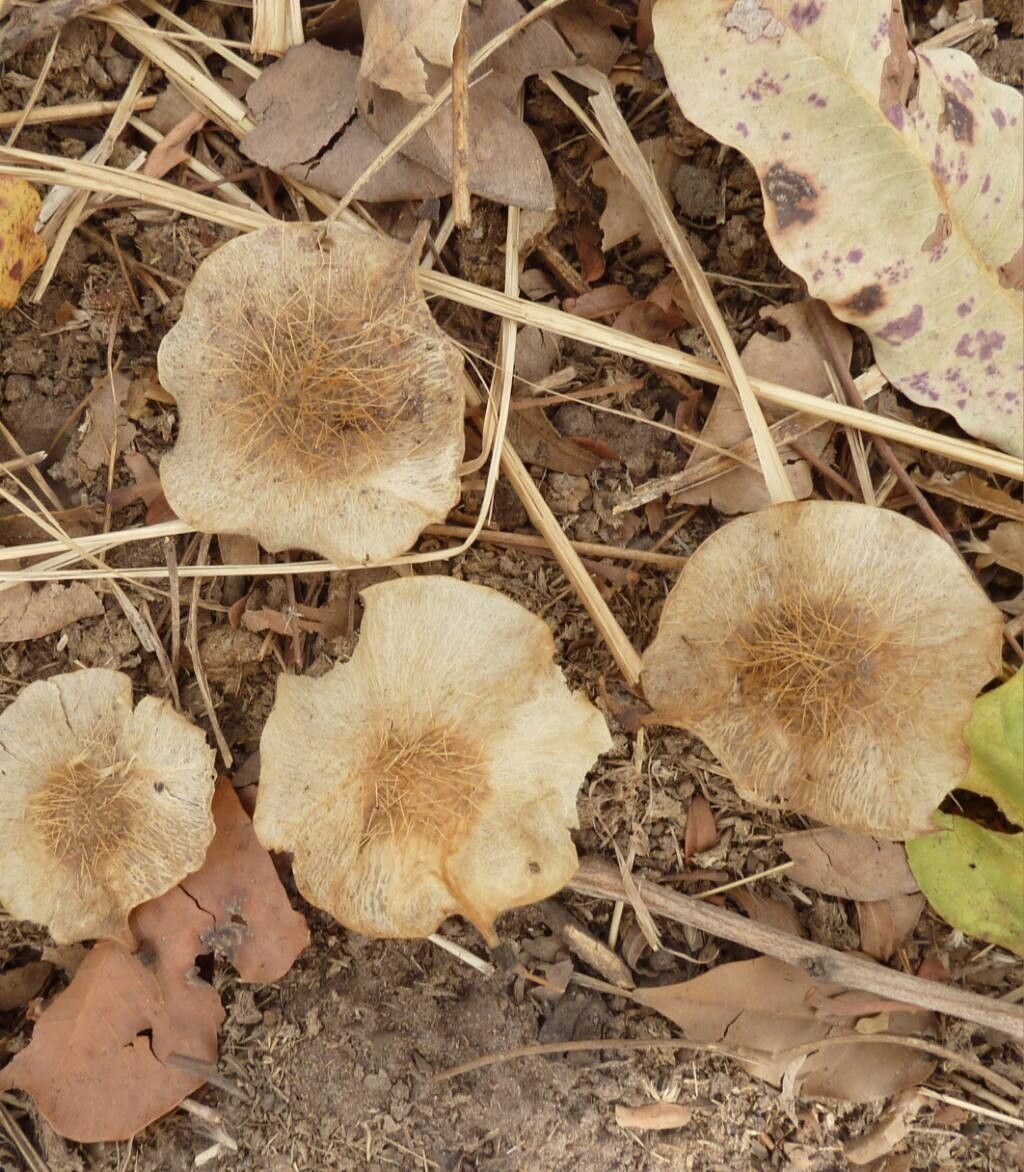
Hello there, fellow plant enthusiasts! Today, I want to chat about a truly remarkable tree: Pterocarpus erinaceus, often called the African rosewood. If you’ve ever admired its stunning displays of vibrant yellow flowers and enjoyed its lush, shade-casting canopy, you’ll understand why I’m so excited to talk about growing more of them. Propagating these beauties is a wonderfully rewarding way to share their magic. While not the absolute easiest for a complete beginner, with a little patience and a few key techniques, you can definitely succeed.
The Best Time to Start
For the highest success rate with Pterocarpus erinaceus, I find the sweet spot is late spring to early summer. This is when the plant is in its active growth phase – you know, that time of year when everything just bursts with life. Taking cuttings from healthy, new growth that’s started to firm up but is still a bit flexible is your best bet. Avoid wood that’s too soft and green, or anything that’s already become hard and woody.
Supplies You’ll Need
To get your propagation station ready, gather these essentials:
- Sharp Pruning Shears or a Clean Knife: For making clean cuts.
- Rooting Hormone: A powdered or gel form can significantly boost root development.
- Well-Draining Potting Mix: I like a blend of coco coir, perlite, and a little bit of sand. You want something that holds moisture but doesn’t become waterlogged.
- Small Pots or Trays with Drainage Holes: To house your cuttings.
- Plastic Bags or a Propagation Dome: To create a humid environment.
- Water Mister: For keeping things moist.
Propagation Methods
Let’s get our hands dirty with how to actually do this!
Stem Cuttings (My Go-To Method)
This is often the most reliable way to get new Pterocarpus erinaceus plants.
- Select Your Cuttings: On a healthy branch, look for a section that’s about 4-6 inches long. It should have at least a couple of leaf nodes (where leaves emerge from the stem).
- Make the Cut: Using your clean shears or knife, make a clean cut just below a leaf node. This is where the plant is most eager to sprout roots.
- Prepare the Cutting: Gently remove the lower leaves from the cutting. You only want to leave a few leaves at the very top. This reduces water loss and allows the plant to focus its energy on root formation.
- Apply Rooting Hormone: Dip the cut end of the stem into your rooting hormone, ensuring it’s coated about an inch up from the cut. Tap off any excess.
- Potting Up: Fill your small pots with your well-draining mix. Make a hole in the center of the soil with a pencil or your finger, then carefully insert the cutting, pressing the soil gently around it to secure it.
- Water and Cover: Water the soil thoroughly until you see it drain from the bottom. Then, cover the pot with a clear plastic bag or place it under a propagation dome. This traps humidity, which is crucial for cuttings.
The “Secret Sauce” (Pro Tips)
Here are a few things I’ve learned over the years that can make a real difference:
- Bottom Heat is Your Friend: If you can, place your pots on a heat mat designed for plants. This gentle warmth encourages root development from below, mimicking ideal conditions. It’s like tucking your little cuttings into a cozy bed!
- Don’t Let Leaves Touch Water (if water propagating): While I primarily use soil for Pterocarpus, if you ever try water propagation with other plants, remember that submerged leaves are a recipe for rot. Only the stem should be in the water.
- Air Circulation is Key (Once Roots Appear): While you want humidity during rooting, once you start seeing signs of new growth, it’s a good idea to gradually increase ventilation. Open the bag or dome for a few hours each day so the new plant gets used to drier air and doesn’t develop fungal issues.
Aftercare & Troubleshooting
Once your cuttings have started to put out new leaves – congratulations! This is a good sign that roots are forming. Gently tug on the cutting; if you feel resistance, it’s likely rooted.
- Gradual Acclimation: Slowly introduce your new plants to normal household humidity by gradually opening the plastic bag or dome over a week or two.
- Light Requirements: Place your newly rooted cuttings in a spot with bright, indirect light. Avoid direct sun, which can scorch their tender new growth.
- Watering: Water when the top inch of soil feels dry to the touch. Always ensure good drainage.
The biggest pitfall you might encounter is rot. If a cutting turns black and mushy, it’s usually a sign of too much moisture and not enough airflow, or it simply didn’t root. Don’t be discouraged by losses; it’s part of learning. Sometimes, a cutting just won’t take, and that’s okay.
So, there you have it! Propagating Pterocarpus erinaceus is a journey, and like any good garden adventure, it requires a bit of patience and a lot of love. Don’t be afraid to experiment, and most importantly, enjoy the process of nurturing a new life from a simple cutting. Happy gardening!
Resource:
https://identify.plantnet.org/k-world-flora/species/Pterocarpus%20erinaceus%20Poir./data