Hello fellow plant lovers!
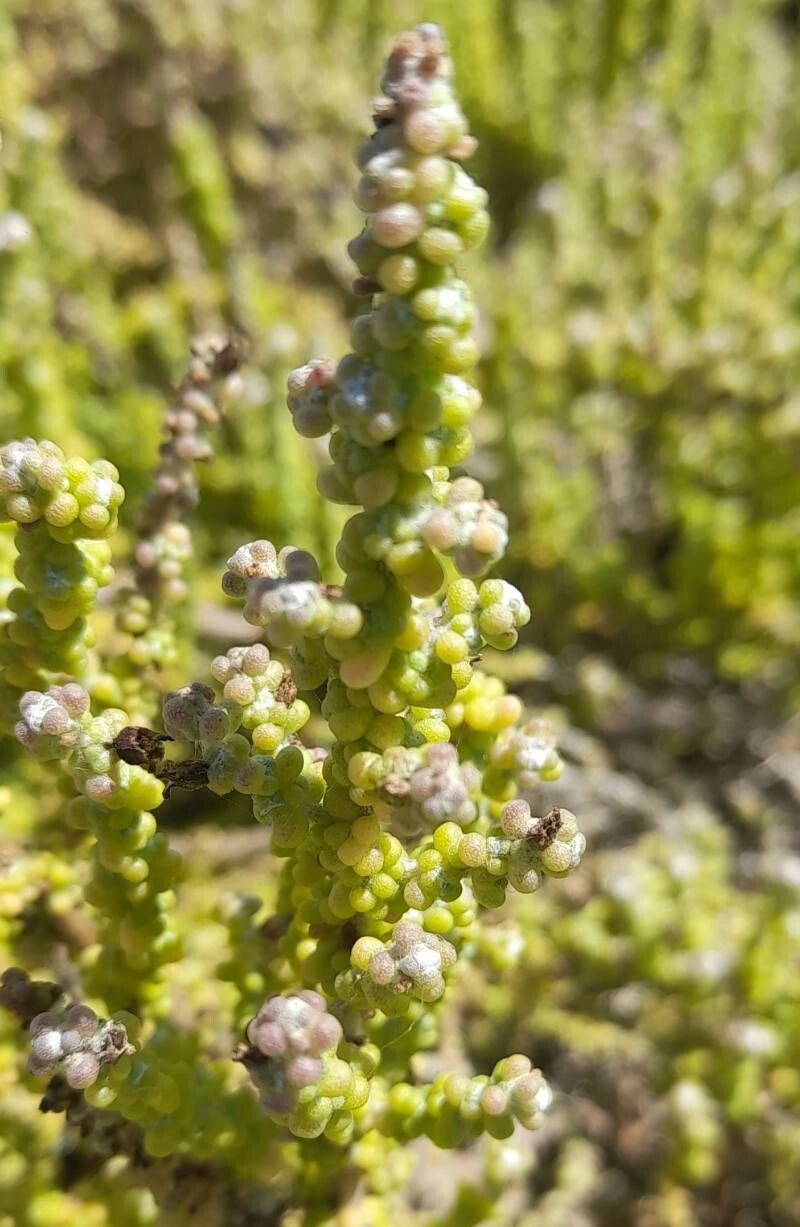
There’s something truly magical about creating a new life from a piece of an existing one. Today, I want to chat about a plant that has brought a delightful splash of color and charm to my garden for years: Nolana sedifolia. Also known as a Chilean Bellflower, these little darlings produce an abundance of trumpet-shaped blooms in vibrant blues and purples, sometimes with a lovely white edge. They cascade beautifully in hanging baskets or spill over the edges of pots, and creating more of them is surprisingly rewarding, even for those of you who are just finding your green thumb!
The Best Time to Start
For Nolana sedifolia, I’ve found that late spring to early summer is your golden ticket. This is when the plant is actively growing and has plenty of energy. You’ll be taking cuttings from healthy, mature stems, and this period offers the best chance for those cuttings to establish strong roots. Think of it as the plant’s prime time to share its abundance!
Supplies You’ll Need
Gathering your supplies beforehand makes the whole process so much smoother. Here’s what I always have on hand:
- Sharp, clean pruners or scissors: Essential for making clean cuts. Disinfect them between uses!
- Rooting hormone powder or gel: This isn’t strictly mandatory, but it gives your cuttings a significant boost.
- A well-draining potting mix: A good blend of perlite, peat moss, and a bit of compost works wonders. Look for mixes specifically for cuttings or seedlings.
- Small pots or seed trays with drainage holes: Clean ones, of course!
- A spray bottle: For misting.
- Plastic bags or a propagation dome: To create a humid environment for your cuttings.
- Optional: Bottom heat mat: This can really speed up root development.
Propagation Methods
Nolana sedifolia can be beautifully propagated from stem cuttings. It’s straightforward and yields great results if you follow a few simple steps.
- Taking the Cuttings: With your clean pruners, select a healthy, non-flowering stem. Look for a section that’s about 3-4 inches long. Make a clean cut just below a leaf node (where a leaf emerges from the stem).
- Preparing the Cuttings: Gently remove the lowest leaves from the cutting. You want at least two leaf nodes exposed at the bottom. Dip the cut end into your rooting hormone, tapping off any excess.
- Planting the Cuttings: Moisten your well-draining potting mix in your small pots or trays. Make a small hole in the center of the soil with a pencil or your finger. Carefully insert the cut end of the Nolana cutting into the hole, ensuring the leaf nodes are below the soil surface. Gently firm the soil around the cutting.
- Creating a Humid Environment: Lightly water the soil. Then, cover the pot or tray loosely with a plastic bag, or place it under a propagation dome. This traps moisture and creates the humid microclimate your cuttings crave. If using a plastic bag, try to keep it from touching the leaves too much.
The “Secret Sauce” (Pro Tips)
Here are a couple of little tricks I’ve picked up over the years that can really make a difference:
- Don’t be afraid to trim off any developing flower buds. Your cutting needs all its energy focused on growing roots, not flowers. Pinch them off as soon as you see them.
- Consider bottom heat. Placing your pots on a propagation mat set to a gentle warmth (around 70-75°F or 21-24°C) can significantly speed up the rooting process. It mimics the warmth of spring soil and encourages roots to form more readily.
Aftercare & Troubleshooting
Once your cuttings are planted, place them in a bright spot that receives indirect sunlight. Avoid direct sun, as it can scorch delicate new growth. Mist the leaves gently with water every couple of days to keep them turgid, especially if you notice them looking a bit limp.
You’ll know your Nolana cuttings are taking root when you see signs of new growth – tiny leaves unfurling or a gentle tug on the stem meeting some resistance. This usually takes 3-6 weeks. Once they have a good root system, you can gradually introduce them to more light and begin watering as you would a small established plant.
The most common issue you might encounter is rot. This happens when the soil stays too wet and the cuttings sit in stagnant moisture. If you see your cuttings turning mushy or blackening at the base, it’s usually a sign of overwatering or poor drainage. Act quickly by removing the affected cuttings and ensuring your remaining ones have good airflow and not-too-soggy soil.
Happy Propagating!
Don’t be discouraged if a few cuttings don’t make it. Gardening is a journey of learning and experimentation! Be patient, observe your plants, and enjoy the process of nurturing new life. Soon, you’ll have a whole collection of these delightful Nolana sedifolia to brighten your home and garden. Happy propagating!
Resource:
https://identify.plantnet.org/k-world-flora/species/Nolana%20sedifolia%20Poepp./data