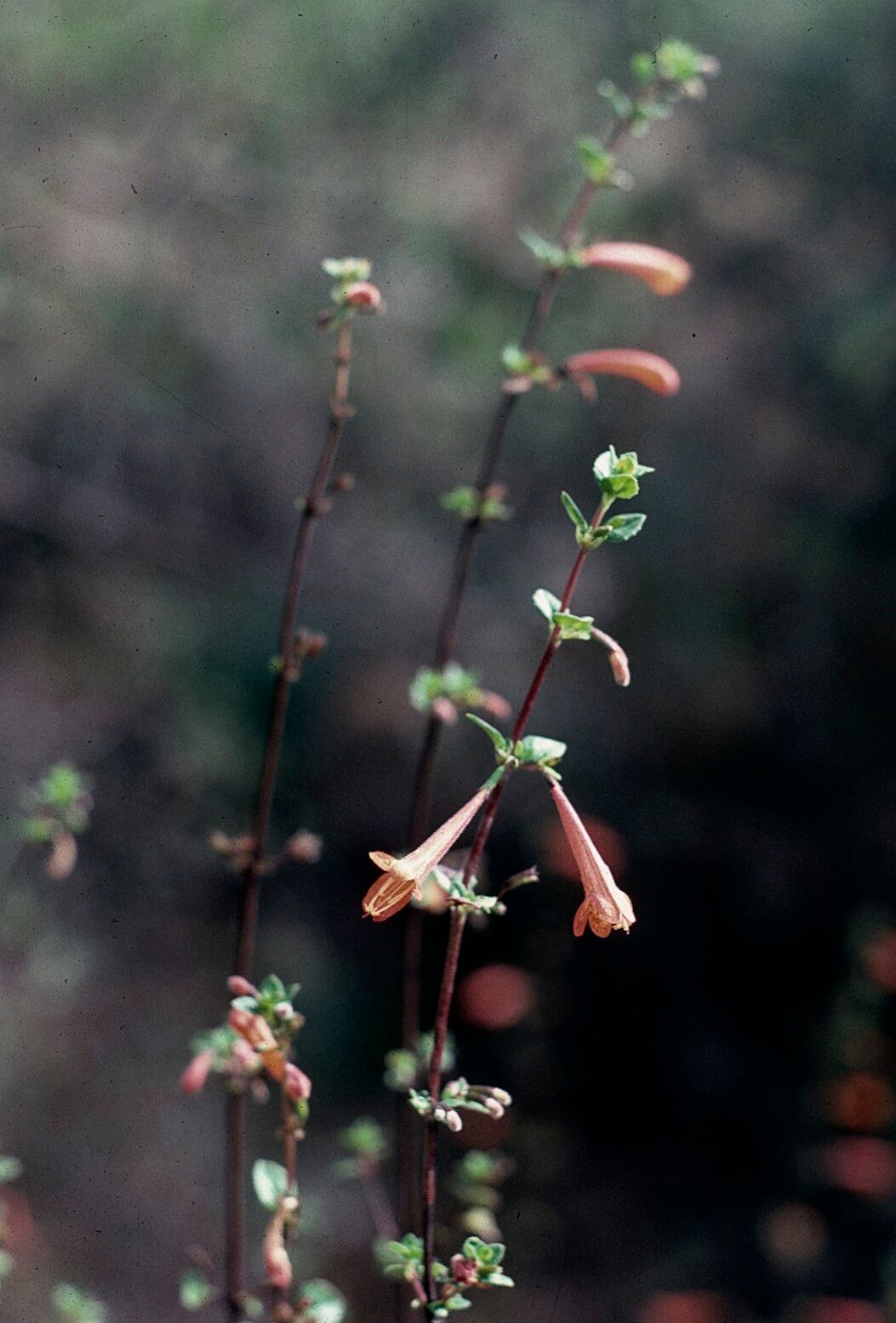
Hello fellow plant lovers! Grab a mug of your favorite brew, because today we’re diving into the wonderful world of propagating Clinopodium mexicanum. This little charmer, with its wonderfully fragrant foliage and delicate blooms, is an absolute joy to have in the garden or on your windowsill. And the best part? It’s quite rewarding to make more of them! For me, propagating Clinopodium mexicanum is an intermediate challenge. It’s not something I’d hand to a brand-new gardener without a little preamble, but with a few key pointers, you’ll be well on your way to success.
The Best Time to Start
The sweet spot for propagating Clinopodium mexicanum is typically in late spring or early summer. This is when the plant is actively growing, and you’ll find plenty of healthy, non-woody stems to work with. Waiting until after the initial flush of spring growth has matured slightly gives you the best chance of success, as these young, flexible shoots root more readily than older, tougher ones.
Supplies You’ll Need
To set yourself up for a smooth propagation session, gather these essentials:
- Sharp pruning shears or a clean knife: For taking precise cuttings.
- Small pots or seed trays: With good drainage holes, of course!
- A well-draining potting mix: I like to use a blend of equal parts perlite, coco coir, and a good quality seed-starting compost. This mix provides aeration and prevents sogginess.
- Rooting hormone (optional but recommended): A powdered or gel-based one will do nicely. It really gives cuttings a helpful boost.
- A spray bottle: For misting.
- A plastic bag or propagation lid: To create a humid environment.
- Labels and a marker: To keep track of your new baby plants!
Propagation Methods
While Clinopodium mexicanum isn’t the easiest plant to divide, stem cuttings are my absolute go-to for reliable propagation.
Stem Cuttings:
- Select your material: Look for healthy, vigorous stems that are about 3-6 inches long, with no flowers or buds. Gently pinch off any lower leaves.
- Make the cut: Using your clean shears or knife, take a cutting just below a leaf node. A leaf node is where a leaf attaches to the stem – this is a crucial area for root development.
- Prepare the cutting: Remove the leaves from the bottom half of the stem. If the remaining leaves are very large, you can snip them in half to reduce water loss.
- Dip/Apply rooting hormone (if using): Lightly moisten the cut end of the stem and dip it into your rooting hormone powder or gel. Tap off any excess.
- Plant your cuttings: Fill your small pots or trays with your prepared potting mix. Make a small hole with your finger or a pencil, and gently insert the cut end of the stem. Firm the soil around it to ensure good contact.
- Water and cover: Water the soil thoroughly but gently, making sure not to dislodge the cuttings. Then, cover the pot with a clear plastic bag or a propagation lid. This creates a mini-greenhouse, trapping humidity.
The “Secret Sauce” (Pro Tips)
Now for a few bits of wisdom I’ve picked up over the years, the kind that make a real difference:
- Don’t let leaves touch the water (for any propagation method): If you opt for water propagation (which can work, but is often less successful than soil for this plant), make absolutely sure that no leaves are submerged. Any submerged foliage will quickly rot and can even kill your cutting before roots have a chance to form. It’s better to have fewer leaves up high than leaves decaying in the water.
- Bottom heat is your friend: Clinopodium mexicanum loves a warm environment to sprout roots. If you have a heat mat designed for seedlings, placing your pots on it can significantly speed up the rooting process. It’s like giving your cuttings a cozy, warm bed to develop in.
- Don’t be tempted to peek too early: Resist the urge to tug on your cuttings to see if they have roots. This can damage delicate new growth. Wait at least 3-4 weeks before giving them a very gentle tug. If they resist and feel firm, you’ve likely got roots!
Aftercare & Troubleshooting
Once you see tiny roots emerging from the drainage holes or when your cuttings feel sturdy, it’s time for a little extra care.
- Acclimatize slowly: Gradually remove the plastic cover over a few days to let your new plants get used to the ambient humidity.
- Water consistently: Keep the soil consistently moist but not soggy. Overwatering is the quickest way to spell doom for your new propagations.
- Keep them in bright, indirect light: Avoid direct sun, which can scorch young, tender growth.
The most common sign of trouble is rot. If your cuttings turn mushy and dark, or if mold appears, it’s usually a sign of too much moisture and not enough air circulation. Don’t despair; just discard the affected ones and try again with fresh cuttings and perhaps a slightly drier soil mix.
A Encouraging Closing
Propagating plants is such a fulfilling part of gardening. It’s a chance to multiply your enjoyment and share the love with friends. Be patient with your Clinopodium mexicanum cuttings – they’ll get there! Even if your first attempt isn’t perfect, learn from it and enjoy the process. Happy propagating!
Resource: