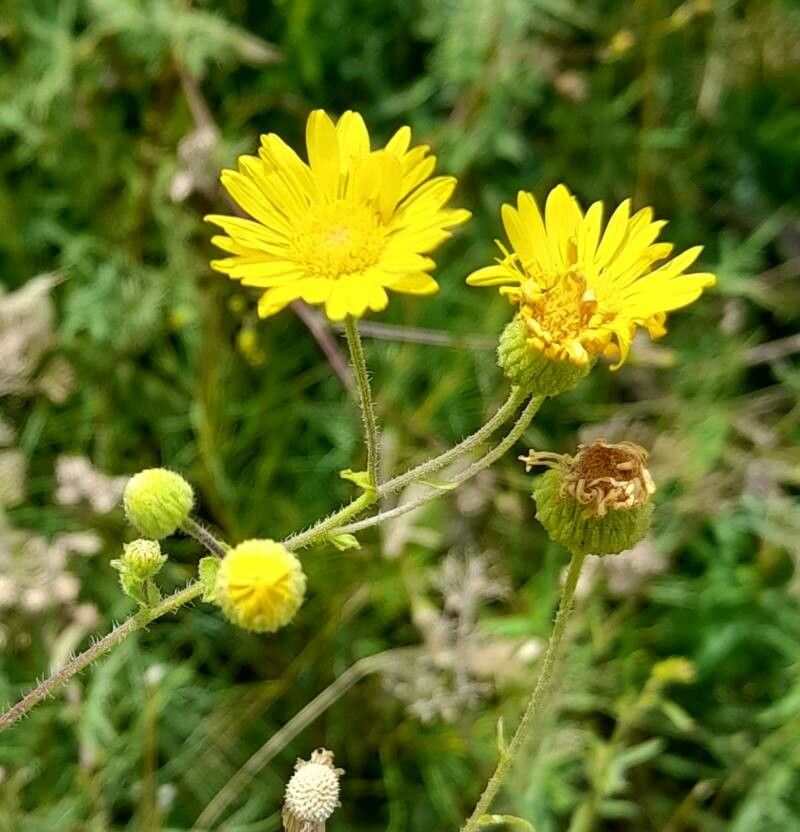
Hello fellow plant enthusiasts! Today, I want to chat about a little gem that brings a burst of sunshine to any garden: Heterotheca subaxillaris, or as many of us fondly call it, Golden Aster. If you adore cheerful, daisy-like yellow flowers that hum with pollinators, you’re going to love this plant. And here’s the best part – it’s incredibly rewarding to propagate your own. I’ve been growing and sharing these beauties for years, and I can tell you, it’s an absolutely accessible project, even if you’re just starting your green-thumb journey. Let’s get some more Golden Asters blooming!
The Best Time to Start
For Heterotheca subaxillaris, I find the late spring to early summer is your golden window. This is when the plant is actively growing, full of vigor, and ready to put out healthy new shoots. You want to be taking cuttings from stems that are firm but not woody. Think of it as a tender, new growth spurt – that’s prime propagation material. Trying to propagate from very old, hard stems might lead to slower rooting or less success.
Supplies You’ll Need
To set yourself up for success, gather these handy items:
- Sharp pruning shears or clean scissors: For making clean cuts on your cuttings.
- Rooting hormone (optional but recommended): A little boost can really help encourage root development. You can find powder or gel forms.
- A well-draining potting mix: I like to use a blend of equal parts peat moss (or coco coir) and perlite. This keeps things airy and prevents soggy roots.
- Small pots or trays: Clean containers about 3-4 inches in size are perfect.
- A plastic bag or humidity dome: To keep your cuttings moist while they get established.
- Watering can or spray bottle: For gentle watering.
- A sunny, but not scorching, spot: Where your cuttings can receive bright, indirect light.
Propagation Methods
Let’s get our hands dirty! Stem cuttings are my go-to for Heterotheca subaxillaris as it’s quite straightforward and yields great results.
Stem Cuttings:
- Select and Cut: Look for a healthy, actively growing stem. Using your clean shears, make a cut just below a leaf node. A leaf node is where a leaf attaches to the stem; this is where roots will most likely emerge. Aim for cuttings that are about 4-6 inches long. Remove the lower leaves, leaving just a few at the very top.
- Apply Rooting Hormone (Optional): If you’re using rooting hormone, lightly dip the cut end of the stem into the powder or gel. Tap off any excess.
- Plant Your Cuttings: Fill your small pots with your prepared potting mix. Make a small hole in the center with your finger or a pencil. Gently insert the cut end of the Heterotheca cutting about an inch deep into the soil. Firm the soil gently around the stem.
- Water and Cover: Water the soil thoroughly but gently. You want it to be moist, not waterlogged. To create a humid environment, cover the pot with a clear plastic bag or place it under a humidity dome. Make sure the leaves aren’t touching the sides of the bag where condensation can cause rot.
- Provide Light and Warmth: Place the potted cuttings in a spot that receives bright, indirect sunlight. Avoid direct sun, which can scorch the tender cuttings. A little warmth from the bottom can also be beneficial, but it’s not strictly necessary for this plant.
The “Secret Sauce” (Pro Tips)
Here are a couple of little tricks I’ve learned over the years that can really give you an edge:
- The “Heel” Trick: Sometimes, I’ll specifically look for a stem that has a bit of a “heel” – a small sliver of older stem attached to the base of the cutting. These can sometimes root even more readily! It’s not always possible, but keep an eye out.
- Bottom Heat Boost: While Heterotheca subaxillaris can root without it, placing your pots on a heat mat set to a gentle temperature (around 70-75°F) can significantly speed up the process and increase your success rate. It mimics that perfect spring warmth.
Aftercare & Troubleshooting
Once your cuttings are tucked into their pots, the real waiting game begins. Keep the soil consistently moist but not soggy. You can check the moisture by gently touching the surface of the soil. If it feels dry, it’s time to water.
You’ll know your cuttings have rooted when you see new leaf growth appearing at the top, or if you gently tug on the stem and feel resistance. This can take anywhere from 3-6 weeks, so be patient!
Now, about troubleshooting. The most common issue you might face is rot. This usually happens if the soil is kept too wet or if there’s poor air circulation, especially if the leaves are in contact with water. If you see a cutting turning dark and mushy at the base, sadly, it’s usually a lost cause. Remove it promptly to prevent it from affecting other cuttings. Good drainage in your soil mix is your best defense against rot!
A Little Patience Goes a Long Way
Seeing a new plant sprout from a small cutting is one of the greatest joys in gardening, if you ask me. Don’t be discouraged if not every cutting takes. Gardening is all about experimentation and learning. Celebrate your successes, learn from any little setbacks, and most importantly, enjoy the process of bringing more of that golden sunshine into your life and garden. Happy propagating!
Resource: