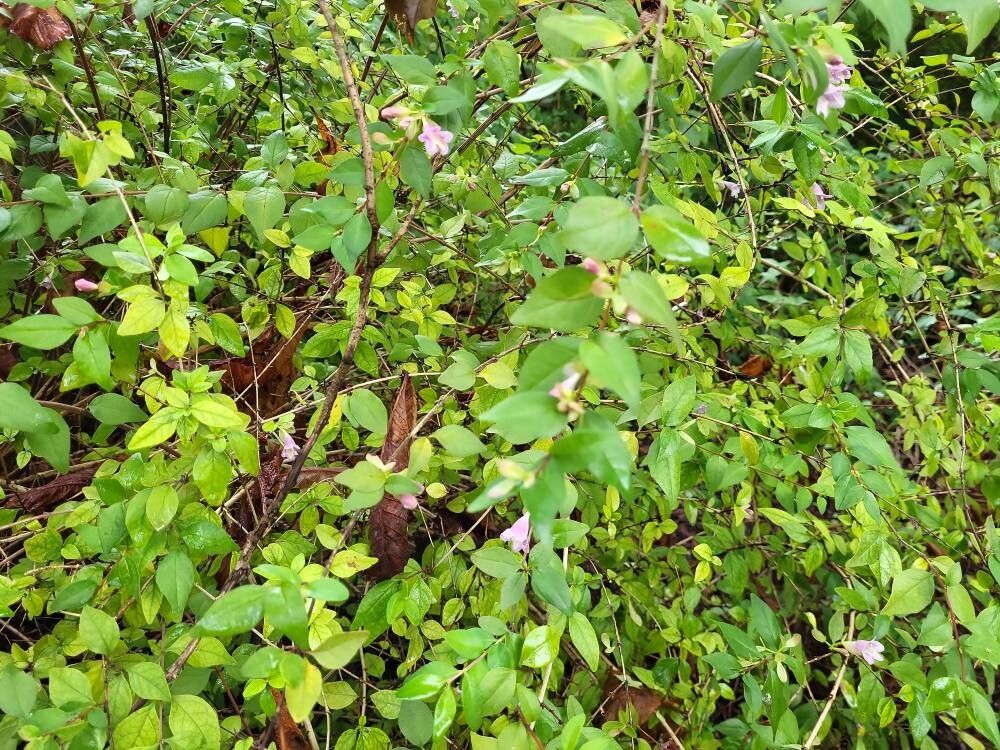
Oh, Abelia schumannii! If you’re drawn to its delicate, bell-shaped blooms and that enchanting, slightly sweet fragrance that often graces late summer gardens, you’re in good company. I’ve always loved this shrub for its gentle beauty and the way it attracts little pollinators. And the best part? Propagating it is a wonderfully rewarding experience, and I’m happy to share how I do it. Don’t let the idea of propagating scare you; Abelia schumannii is quite forgiving, making it a lovely choice even for those newer to the gardening game.
The Best Time to Start
For stem cuttings, and that’s my go-to for Abelia schumannii, the sweet spot is typically late spring to early summer. You want to catch new growth that’s starting to firm up but hasn’t gotten woody yet. Think of it as “semi-hardwood” – not floppy and green, but not stiff and old. This stage offers a good balance of flexibility and the right hormones for rooting.
Supplies You’ll Need
Here’s what you’ll want to have on hand before you get started:
- Sharp Pruning Shears or a Knife: Clean cuts are key for healthy healing and root development.
- Rooting Hormone: This isn’t strictly mandatory, but it definitely gives your cuttings a helpful boost. I like the powder form, but liquid works too.
- Well-Draining Potting Mix: A mix of equal parts peat moss (or coco coir), perlite, and coarse sand is perfect. It needs to hold some moisture but drain away excess water quickly.
- Small Pots or Trays: Clean containers with drainage holes are essential.
- Watering Can or Spray Bottle: For gentle watering.
- Plastic Bag or Propagator Lid: To create a humid microclimate.
Propagation Methods: Stem Cuttings
This is my preferred method, and here’s how I go about it:
- Take Your Cuttings: Select healthy, non-flowering shoots from your Abelia. Aim for cuttings that are about 4-6 inches long. Using your clean shears, make a cut just below a leaf node (where the leaves attach to the stem). Remove the lower leaves, leaving just two or three at the top.
- Prepare the Cuttings: If you’re using rooting hormone, dip the cut end into it, tapping off any excess.
- Pot Them Up: Fill your small pots with your prepared potting mix. Make a hole in the center of the mix with your finger or a pencil. Gently insert the cut end of the Abelia cutting into the hole, ensuring the nodes where you removed leaves are below the soil surface. Firm the soil gently around the cutting.
- Water Gently: Water the soil thoroughly but avoid waterlogging. A gentle shower from a watering can or spritzing with a spray bottle is best.
- Create a Humid Environment: Cover the pots with a clear plastic bag (supported by stakes or sticks so it doesn’t touch the leaves) or place them in a propagator with a lid. This traps moisture and prevents the cuttings from drying out before they can root.
- Find a Bright Spot (But No Direct Sun!): Place your pots in a bright location with indirect light. Direct sun will scorch the leaves and dry out your cuttings too quickly.
The “Secret Sauce” – Pro Tips
Here’s where a little bit of experience comes in handy:
- Don’t Let Leaves Touch Water: If you’re tempted to try water propagation (which is possible, but I find cuttings are more robust when potted), make sure no leaves are submerged. Rot sets in quickly when leaves sit in stagnant water.
- Bottom Heat is Your Friend: While not strictly necessary, placing your pots on a heating mat designed for propagation can significantly speed up root formation. It mimics the warmth of the soil in spring and encourages those roots to get going.
- Don’t Disturb Them Too Soon: Patience is key! It can take anywhere from 4 to 8 weeks for your Abelia cuttings to show signs of rooting. Resist the urge to tug on them to check. Instead, look for new leaf growth, which is a good indicator that roots are forming.
Aftercare & Troubleshooting
Once your cuttings have developed a good root system – you’ll feel resistance when you gently tug, and you might see roots peeking out the drainage holes – it’s time for their next stage.
Transplanting: Carefully transplant your rooted cuttings into individual pots with a good all-purpose potting mix. Water them in well and continue to keep them in a bright spot with indirect light. Gradually introduce them to more light and normal watering routines over a few weeks.
Troubleshooting: The most common issue you might encounter is rot. This usually happens due to overwatering or poor drainage. If you see wilting, yellowing leaves, or a mushy stem near the soil line, it’s often a sign of rot. Unfortunately, there’s not much you can do once rot sets in, so prevention is key! Good air circulation around your cuttings also helps ward off fungal issues.
A Little Encouragement to Grow
Propagating plants is like a gardening superpower, isn’t it? Watching a tiny piece of a plant transform into a whole new one is just magical. Don’t get discouraged if your first attempt isn’t perfect; every gardener has had cuttings that didn’t make it. Just learn from it, try again, and enjoy the green journey! Happy propagating!
Resource:
https://identify.plantnet.org/k-world-flora/species/Abelia%20schumannii%20(Graebn.)%20Rehder/data