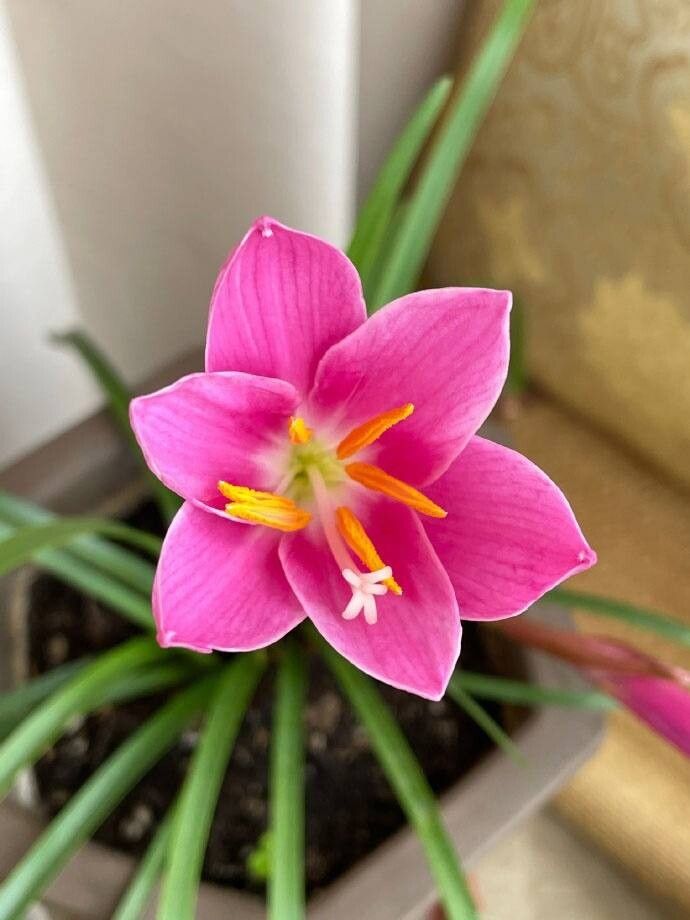
Oh, hello there, fellow garden enthusiast! If you’ve ever admired those cheerful little pops of pink that magically appear in the garden, you’ve likely encountered the delightful Zephyranthes rosea, also known as Pink Rain Lilies. I’ve been coaxing these beauties to multiply for two decades now, and let me tell you, it’s one of those garden joys that never gets old. Propagating them is surprisingly straightforward, even for beginners. You get to witness that incredible multiplication magic firsthand, and soon you’ll have a whole symphony of pink blooms to share.
The Best Time to Start
The absolute best time to get your hands dirty with Zephyranthes rosea propagation is after they’ve finished flowering and are entering their dormant period, which is typically in late summer or early fall. You might also find success in early spring just as active growth is beginning, but fall is my go-to for the most vigorous divisions. Watch for the foliage to start yellowing and dying back naturally; that’s your cue!
Supplies You’ll Need
Gathering your supplies is part of the fun, isn’t it? Here’s what I usually have on hand when I’m propagating Rain Lilies:
- Small trowel or garden spade: For gently separating the bulbs.
- Sharp pruning shears or a clean knife: For removing any damaged roots or foliage.
- Well-draining potting mix: A standard potting mix with added perlite or coarse sand works beautifully. I often use about a 2:1 ratio of potting mix to perlite.
- Small pots or containers: Think 4-6 inch pots depending on how many bulbs you’re dividing. Make sure they have drainage holes!
- Watering can with a fine rose: For gentle watering.
- Labels and a marker: So you don’t forget what’s what!
Propagation Methods
For Zephyranthes rosea, the absolute easiest and most effective method is division. These aren’t fussy plants; they practically beg to be split!
- Excavate with Care: Gently dig up the clump of Zephyranthes bulbs. I find it best to get a good radius around the clump so you don’t chop through any bulbs. Loosen the soil around them with your trowel.
- Gently Separate: Once the bulbs are out of the ground, you’ll see they’ve likely formed clusters. Gently pull them apart. Most of the time, they’ll break away easily. If a bulb is particularly stubborn, use your clean knife or pruning shears to carefully cut them apart. Look for where the necks of the bulbs connect.
- Inspect and Trim: Before replanting, take a moment to look at your separated bulbs. Trim off any mushy, damaged, or excessively long roots. This encourages new root growth and helps prevent rot. You can also remove any old, papery husks if they’re easily detaching.
- Pot Them Up: Fill your chosen pots with your well-draining potting mix. Plant each bulb about 1-2 inches deep, with the pointed end facing upwards. If you have multiple bulbs in one pot, give them a little space, about 2-3 inches apart.
- Water Gently: Water the newly potted bulbs thoroughly. You want the soil to be moist but not waterlogged.
The “Secret Sauce” (Pro Tips!)
Here are a couple of little tricks I’ve learned over the years that really seem to give my Rain Lilies a boost:
- Think “Dry Rest”: After dividing, I like to let the separated bulbs sit out of soil for a day or two in a dry, shady spot. This allows any small cuts or nicks to callus over, which significantly reduces the risk of rot when replanting. It’s like giving them a little healing time!
- Don’t Forget the Dormancy: When you divide in the fall, and the foliage is dying back, it’s crucial to mimic their natural dormancy. Keep the soil on the drier side during this period. Overwatering a resting bulb is a surefire way to invite trouble. They need that dry, cool rest to build up energy for the next blooming season.
Aftercare & Troubleshooting
Once your bulbs are happily in their new pots, keep them in a location that gets good bright light but avoids scorching sun, especially during the hottest part of the day. For the first week or two, water more frequently to encourage root establishment, but always let the top inch of soil dry out between waterings.
The biggest issue you might encounter is rot. This usually happens from overwatering or planting in soil that doesn’t drain well. If you see a bulb turning black and mushy, it’s likely lost. Remove it immediately from the pot to prevent it from affecting other bulbs. Another sign that something’s not quite right is if the leaves or stems die back very quickly after planting, without any sign of new growth. This could indicate rot or that the bulb wasn’t healthy to begin with.
A Encouraging Closing
Remember, gardening is all about patience and learning. Don’t be discouraged if not every single bulb takes off immediately. Observe your new plants, trust your instincts, and enjoy the process of nurturing these little bulbs into a future bloom-filled display. Happy propagating!
Resource:
https://identify.plantnet.org/k-world-flora/species/Zephyranthes%20rosea%20Lindl./data