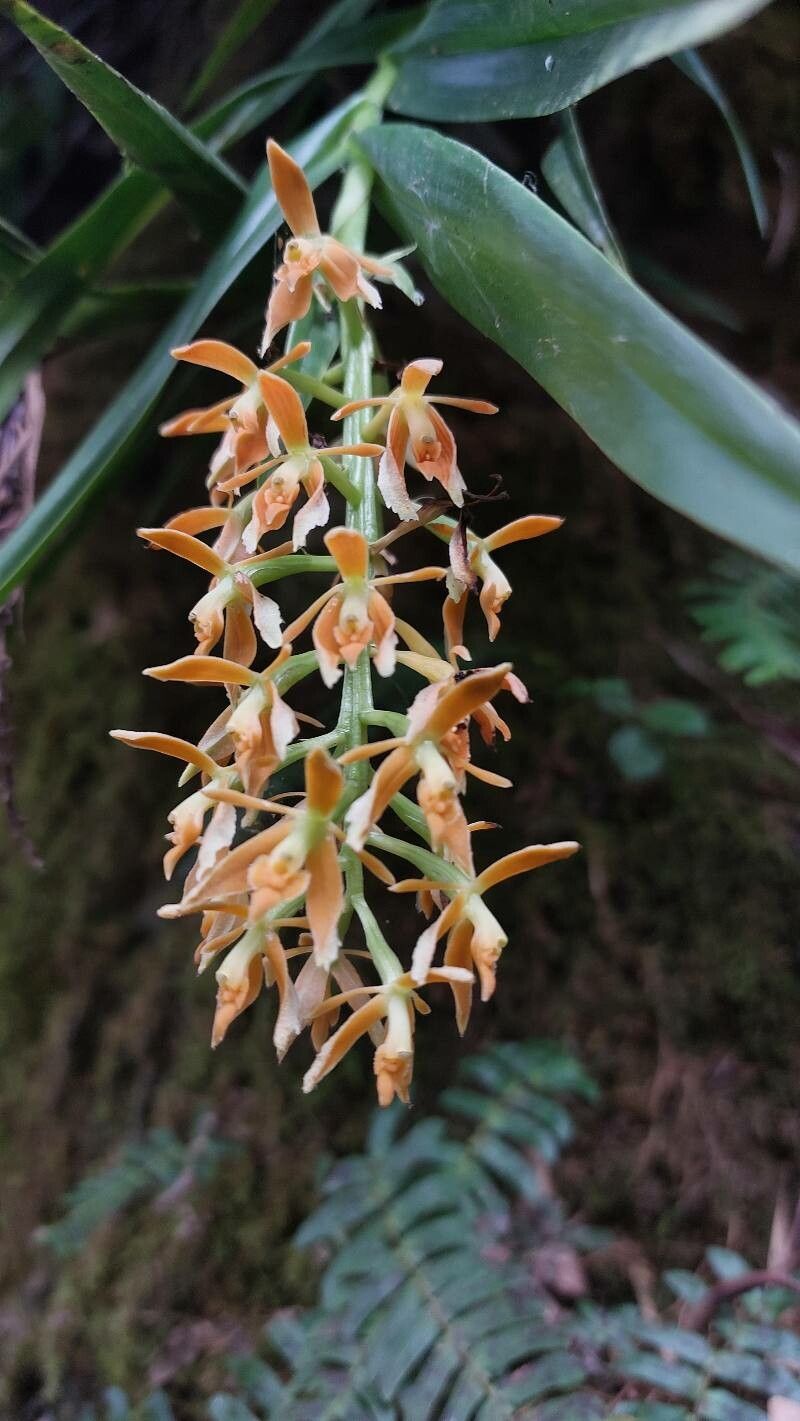
Hello fellow plant enthusiasts!
There’s something incredibly satisfying about creating new life from an existing plant. Today, we’re diving into the world of Epidendrum anceps, a charming orchid that’s a joy to have gracing our homes. Its delicate blooms and resilient nature make it a favorite. And the best part? Propagating this beauty is a wonderfully rewarding experience, even for those just dipping their toes into the orchid-growing waters. In fact, I’d say Epidendrum anceps is quite beginner-friendly when it comes to propagation.
The Best Time to Start
Timing is everything in gardening, isn’t it? For Epidendrum anceps, the absolute best time to start propagating is during its active growing season. Think late spring through summer. This is when the plant has plenty of energy to put into developing new roots and shoots. You’ll often see new growth emerging then, which is a perfect indicator that your orchid is ready for a little cloning adventure.
Supplies You’ll Need
Gathering your tools before you begin makes the whole process much smoother. Here’s what I always have on hand:
- Sharp, sterilized pruning shears or a clean knife: Essential for making clean cuts.
- Orchid bark mix: A well-draining blend is crucial for orchids. You can buy pre-made mixes or create your own with bark, perlite, and a bit of charcoal.
- Small pots or containers: Yogurt cups with drainage holes work wonders!
- Rooting hormone (optional but helpful): A little boost can encourage faster root development. Look for one specifically for orchids or general houseplant cuttings.
- Watering can or spray bottle: Gentle watering is key.
- A clean tray or saucer: To catch excess water.
Propagation Methods: Let’s Get Our Hands Dirty!
Epidendrum anceps is quite versatile, but my favorite and most reliable method is stem cuttings.
- Identify Your Cutting: Look for a healthy stem on your Epidendrum anceps that has at least two to three pseudobulbs (those swollen stem segments) and ideally, a few leaves. If you see tiny aerial roots already forming near the nodes, even better!
- Make the Cut: Using your sterilized shears or knife, make a clean cut just below a pseudobulb. You can also take larger sections of the stem that include several pseudobulbs. The key is to have a healthy piece to work with.
- Prepare the Cutting: Gently remove any leaves from the bottom one to two pseudobulbs. This prevents them from rotting when you pot it up. If you’re using rooting hormone, now’s the time to dip the cut end into it, following the product’s instructions.
- Potting Up: Fill your small pot with the orchid bark mix. Make a small hole in the center and insert the cut end of the stem. Ensure at least one pseudobulb is nestled in the bark. You can gently firm the bark around the cutting to give it support. If you have multiple cuttings, you can pot them individually or a few together in a larger pot, giving them a little space.
- Initial Watering: Water your newly potted cutting gently. You want the bark to be moist, but not waterlogged.
Water Propagation (A Close Second!)
For a slightly different approach, you can also try water propagation.
- Follow steps 1 and 2 above to prepare your stem cutting.
- Find a clean jar or vase. Fill it with room-temperature water.
- Place the cutting in the jar, ensuring the cut end is submerged but none of the leaves are touching the water. This is crucial to prevent rot. Change the water every few days to keep it fresh.
- Place the jar in a bright spot with indirect light.
The “Secret Sauce” (Pro Tips)
Here are a few little tricks that have always served me well:
- Don’t Overwater! This is probably the biggest mistake beginners make. Orchids, especially cuttings, prefer to be on the drier side than too wet. Let the potting mix dry out slightly between waterings. You can check by sticking your finger a bit into the bark.
- Bottom Heat is Your Friend: If you can, place your pots on a heat mat designed for seedlings or reptiles. Epidendrum anceps loves a little warmth to encourage root development. It mimics the cozy conditions they’d find naturally.
- Patience is a Virtue (Especially with Orchids!): Don’t be disheartened if you don’t see roots overnight. It can take several weeks, even months, for new roots to form. Trust the process!
Aftercare & Troubleshooting
Once you see new roots emerging from your cutting (either peeking out of the pot or looking healthy in the water), your new Epidendrum anceps is well on its way! Keep it in bright, indirect light and continue to water sparingly, allowing the bark to dry out between waterings.
The most common issue you might encounter is rot. This usually happens if the cutting is kept too wet or if leaves are submerged in water for too long. If you notice mushy, brown stems or leaves, it’s a sign of rot. Unfortunately, a rotted cutting is usually a lost cause, but don’t let that discourage you! It’s a learning opportunity. Simply discard the rotted piece and try again, perhaps adjusting your watering habits or ensuring better airflow.
Happy Growing!
Creating new orchids is such a fulfilling part of my gardening journey, and I truly hope you find the same joy. Be patient, observe your cuttings, and celebrate every little sign of progress. Before you know it, you’ll have a whole new collection of these lovely Epidendrum anceps to admire and share. Happy propagating!
Resource:
https://identify.plantnet.org/k-world-flora/species/Epidendrum%20anceps%20Jacq./data