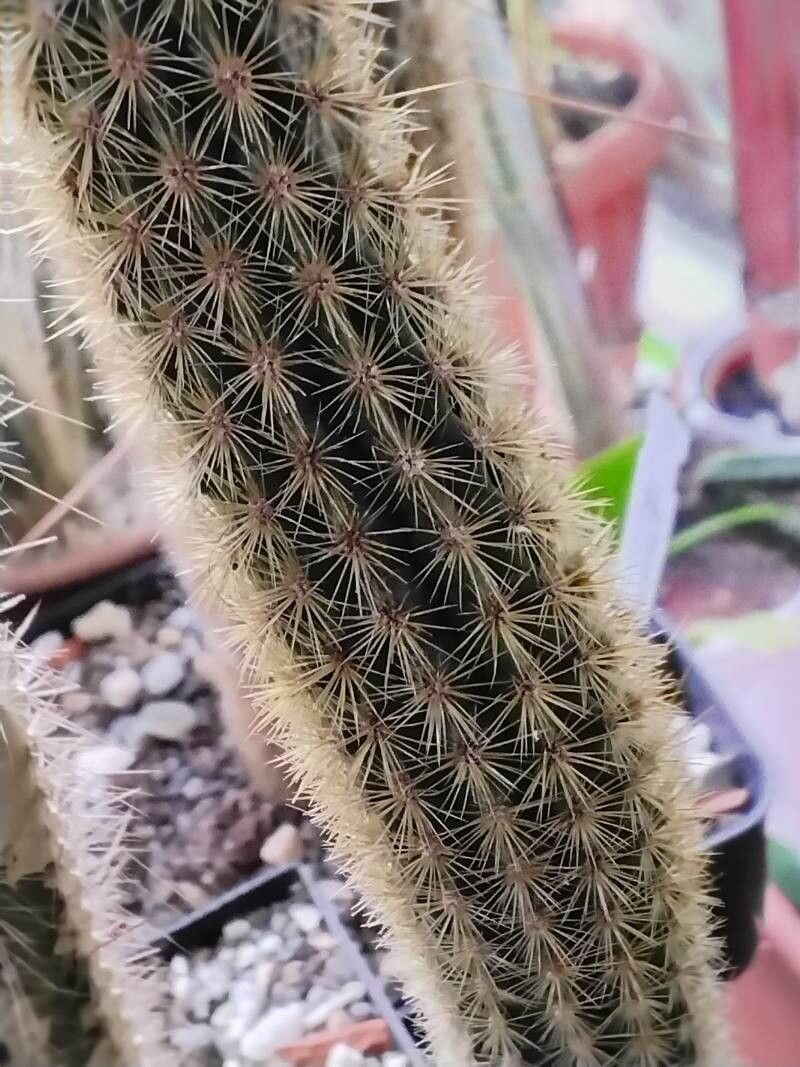
Hey there, fellow plant lovers! Let’s talk about a real charmer: Borzicactus icosagonus. If you’re looking for a succulent that boasts a captivating, geometric form with its distinctive ribs, and you love the idea of multiplying your green treasures, then you’re in for a treat. Propagating this beauty is incredibly rewarding, and while it might seem a touch intimidating at first, I promise you, it’s a journey that’s very doable, even for beginners. Getting new plants from your established favorites feels like magic, doesn’t it?
The Best Time to Start
Sunlight is key for these ribbed wonders. The absolute best time to think about propagating your Borzicactus icosagonus is during its active growing season. For most cacti, this means spring and early summer. You want your plant to be actively putting out new growth, which tells you it’s full of energy and ready to put that energy into creating roots. Starting when it’s dormant will just be a waiting game, and frankly, less fun!
Supplies You’ll Need
Before we get our hands dirty, let’s gather our tools. Having everything ready makes the process so much smoother.
- Sharp, sterile pruning shears or a clean knife: We want to make clean cuts to promote healing and prevent disease. A quick wipe with rubbing alcohol before and after is a good habit.
- Well-draining cactus or succulent potting mix: You can buy this pre-made or mix your own. A good blend is 50% potting soil, 25% perlite, and 25% coarse sand or pumice. Drainage is paramount!
- Rooting hormone (optional but recommended): This little helper can significantly speed up root development. Look for one formulated for cacti and succulents.
- Small pots or propagation trays: Clean and with drainage holes, of course! Terracotta pots are fantastic as they breathe well.
- A spray bottle with water: For gentle misting.
- Gloves (optional): Some cacti can be a little prickly!
Propagation Methods
Borzicactus icosagonus is quite amenable to propagation, and the most straightforward method is through stem cuttings.
Stem Cuttings:
- Identify a healthy stem: Look for a mature, healthy stem on your Borzicactus icosagonus. It should look firm and plump, not mushy or shriveled.
- Make the cut: Using your sharp, sterile shears or knife, make a clean cut at the base of the stem you want to take. Try to get a piece that’s at least a couple of inches long.
- Remove lower spines (if any): Gently remove any small spines or debris from the very bottom of the cutting.
- Callus over the cut: This is crucial! You need to let the cut end dry out and form a protective callus. Place the cutting in a cool, dry, well-ventilated spot away from direct sunlight for several days to a week. You’ll see the cut surface turn dry and slightly leathery. Patience here prevents rot.
- Plant your cutting: Once callused, you can plant your cutting. Take a small pot filled with your well-draining cactus mix. Gently insert the callused end about an inch into the soil. You can use a chopstick or skewer to make a small hole first.
- Don’t water immediately: Resist the urge to water right away! Wait another week after planting before giving it its first gentle watering. This further discourages rot.
The “Secret Sauce” (Pro Tips)
Here are a couple of tricks I’ve learned over the years that really make a difference:
- Bottom heat is your friend: If you can, place your pots with cuttings on a seedling heat mat. This gentle warmth from below encourages root formation like nothing else. It mimics the conditions they’d naturally love during a warm growing season.
- The “Air Layering” Trick: For larger stems or if you’re hesitant about cutting, you can try air layering. This involves making a small incision on the stem of the mother plant and then wrapping that area with moist sphagnum moss and plastic wrap. Roots will form within the moss, and once you see them, you can cut the stem below the roots and plant it. It’s a bit more involved, but very effective!
Aftercare & Troubleshooting
Once roots start to form (which can take anywhere from a few weeks to a couple of months), you can begin treating your new Borzicactus icosagonus like a mature plant, but with a gentler touch.
- Watering: Water thoroughly when the soil is completely dry. Err on the side of underwatering rather than overwatering, especially in the early stages.
- Light: Gradually introduce your new plant to brighter light. Start in bright, indirect light, and slowly move it into more sun as it establishes.
- Signs of trouble: The biggest enemy here is rot. If your cutting looks mushy, turns black or yellow from the base upwards, or just seems to be deflating, it’s likely succumbing to rot. This usually means the cut didn’t callus properly or it’s getting too much moisture too soon. If you catch it early, you might be able to cut away the rotten part and try callusing again. If it’s a stem cutting, the callusing period is absolutely vital to prevent this.
A Little Patience Goes a Long Way
Propagating plants is a journey, and sometimes a slow one. Don’t get discouraged if your first attempt isn’t an instant success. Observe your cuttings, learn from what you see, and know that with a little patience and care, you’ll soon have more of these wonderful ribbed cacti to enjoy. Happy gardening!
Resource: