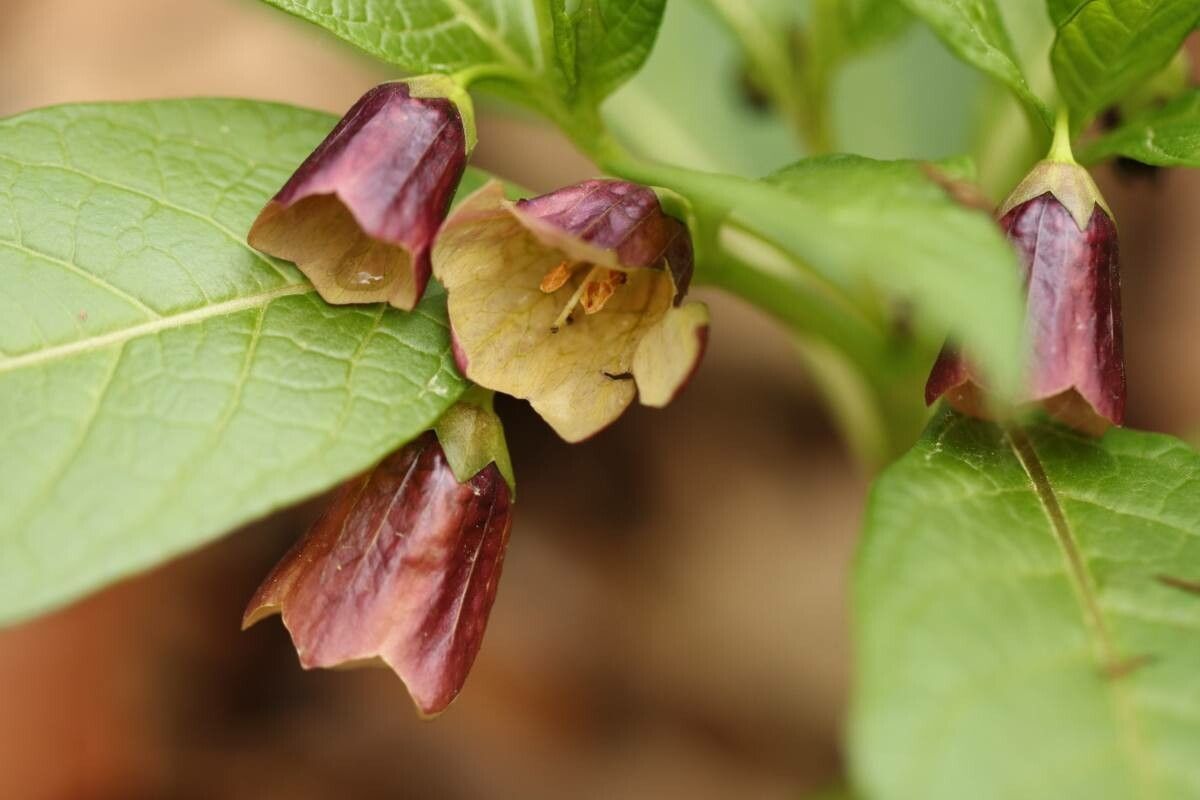
Oh, hello there! Pull up a chair and let’s chat about one of my absolute favorite woodland treasures: Scopolia japonica. If you’ve ever seen these charming bell-shaped flowers nodding in the shade, you know exactly why I’m so excited about them. They bring a touch of understated elegance to any garden, with their graceful foliage and delicate blooms. And the best part? They’re quite rewarding to propagate. Now, for beginners tackling this one, I’d say Scopolia japonica falls into the moderately easy category. It’s not quite as hands-off as, say, a succulent, but with a little attention, you’ll be sharing these beauties in no time.
The Best Time to Start
For the highest success rate with Scopolia japonica, you want to catch it at the right moment. I find the absolute best time to propagate is in early spring, just as the plant is waking up from its winter rest. You can also have success with late summer to early autumn division. The key is to get new roots established before extreme heat or cold sets in.
Supplies You’ll Need
Here’s what you’ll want to have on hand before you get started:
- Sharp pruning shears or a clean knife: For making clean cuts.
- Well-draining potting mix: A good blend for shade-loving perennials is perfect. I often use a mix of peat moss, perlite, and compost.
- Small pots or propagation trays: Enough to house your new divisions or cuttings.
- Labels and a waterproof marker: So you don’t forget what you planted where!
- Watering can or mister: For gentle watering.
- Optional: Rooting hormone powder: While not strictly necessary for division, it can give cuttings a helpful boost.
- Optional: A heat mat: Especially helpful if you’re trying stem cuttings in a cooler environment.
Propagation Methods
Scopolia japonica is primarily propagated through division. This is typically the easiest and most successful method.
Division
This method is best done in early spring when you can clearly see the growth emerging.
- Gently unearth the plant: Carefully dig around the perimeter of your Scopolia japonica, loosening the soil. Try not to disturb the roots too much.
- Remove excess soil: Gently shake off some of the soil to get a better look at the root structure and any emerging shoots.
- Identify natural divisions: Look for sections of the plant where new shoots are emerging from the main root ball. You’ll often see distinct crowns.
- Divide with care: Using your hands or a sharp knife, carefully separate the root ball into sections, ensuring each section has at least one healthy bud or shoot. If the roots are very tangled, don’t be afraid to use your knife to make clean cuts.
- Replant immediately: Plant each division into its own pot filled with your well-draining potting mix. Make sure the crown is just at the soil surface.
- Water thoroughly: Give your newly divided plants a good, gentle watering to help settle the soil.
While less common for Scopolia japonica, if you have a particularly vigorous plant or are adventurous, you could try stem cuttings, but it’s a bit more hit-or-miss. Take a healthy stem cutting in late spring, dip the cut end in rooting hormone, and place it in moist potting mix.
The “Secret Sauce” (Pro Tips)
Here are a few things I’ve learned over the years that make a real difference:
- When dividing, don’t be afraid of the roots! They’re tougher than they look. Just be sure to make clean cuts to avoid tearing.
- If you’re working with stem cuttings (though I’d stick to division here), and if you’re in a cooler spot, using a gentle heat mat under your propagation tray can significantly speed up root development. It mimics the warmth the plant craves.
- After dividing, give your new plants a slightly shadier spot for the first week or two. This reduces stress while they get their roots settled in.
Aftercare & Troubleshooting
Once your divisions are planted, keep the soil consistently moist but not waterlogged. They appreciate a good drink, especially in dry weather, but soggy feet are the quickest way to trouble.
You’ll know things are going well when you start to see new leaf growth emerging from the divisions. This is a sure sign that roots are forming and the plant is happy.
The most common issue you’ll encounter is rot. If you see leaves wilting or turning mushy, and the soil feels perpetually sodden, you might be overwatering or have poor drainage. A little bit of yellowing is normal as the plant adjusts, but widespread wilting or a foul smell from the soil is a warning sign. Pull the ailing division out, check the roots (if they’re black and mushy, it’s rot), and try replanting in fresh, drier soil, adjusting your watering habits.
A Encouraging Closing
So there you have it! Propagating Scopolia japonica is a wonderful way to expand your collection or share these delightful plants with fellow gardeners. Be patient with them, give them a little TLC, and soon you’ll be rewarded with more of those gorgeous bell-shaped blooms. Happy gardening!
Resource:
https://identify.plantnet.org/k-world-flora/species/Scopolia%20japonica%20Maxim./data