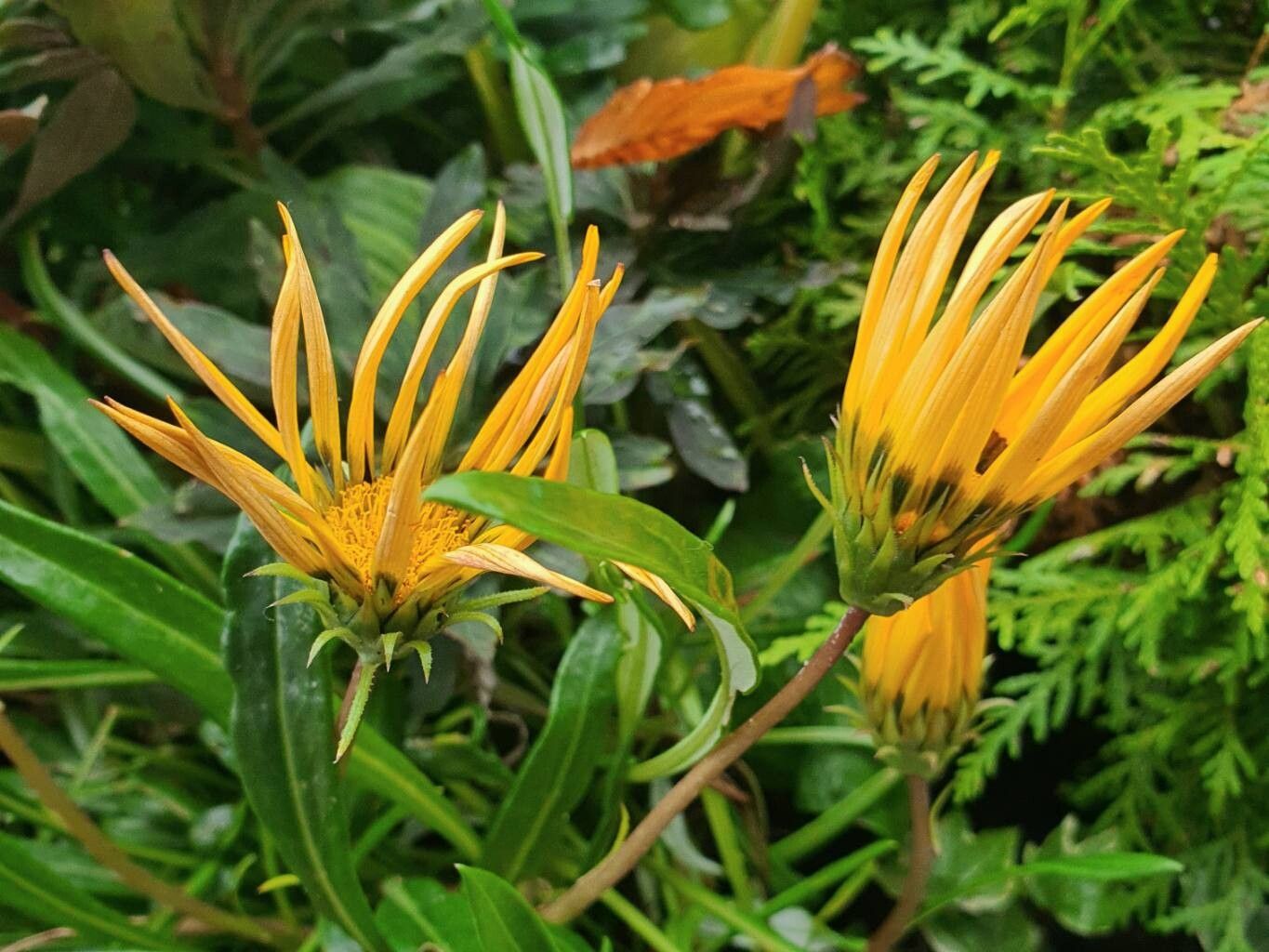
Hello fellow garden lovers! Today, we’re diving into the sunshine with a plant that practically screams “summer joy”: Gazania linearis, also known as Treasure Flower. If you love those vibrant, daisy-like blooms that unfurl their faces to the sun, you’re in for a treat! Propagating these beauties is a wonderfully rewarding way to fill your garden with even more of their cheerful colors. And the best part? While a bit of patience is always a gardener’s virtue, I find Gazania linearis to be surprisingly beginner-friendly when it comes to making more of them. You’ll be expanding your collection in no time!
The Best Time to Start
For the highest success rate with Gazania linearis, aim to propagate during their active growing season. This typically means late spring through early summer. The plants are full of vigor at this time, meaning they’re readily producing new growth that will root more easily. You’re essentially tapping into their natural energy!
Supplies You’ll Need
To set yourself up for success, gather these essentials:
- Sharp pruning shears or a clean knife: For making clean cuts.
- Rooting hormone (optional but recommended): A little boost can go a long way.
- Well-draining potting mix: A cactus and succulent mix works beautifully, or you can create your own by combining potting soil with perlite or coarse sand.
- Small pots or seedling trays: Clean ones are a must to prevent disease.
- Watering can with a fine rose or a mister: For gentle watering.
- Plastic bags or a propagation dome: To maintain humidity.
- A warm, bright spot: Out of direct, scorching sun.
Propagation Methods
I usually find two methods work best for Gazania linearis: stem cuttings and division.
Stem Cuttings
This method is fantastic for getting a lot of new plants from a mature specimen.
- Select healthy stems: Look for non-flowering, healthy stems that are about 4-6 inches long. Gently twist or cut them from the parent plant, just above a leaf node (where a leaf meets the stem).
- Prepare the cuttings: Remove the lower leaves, leaving just a few at the top. This prevents them from rotting in the soil. If the leaves are large, you can even cut them in half to reduce water loss.
- Apply rooting hormone: Dip the cut end in rooting hormone if you’re using it. Tap off any excess.
- Plant the cuttings: Make a small hole in your prepared potting mix with your finger or a pencil. Insert the cut end of the stem, ensuring at least one leaf node is below the soil surface.
- Firm the soil gently: Make sure the cutting is stable.
- Water gently: Moisten the soil thoroughly, but avoid waterlogging.
- Create humidity: Cover the pots with a plastic bag or place them in a propagation dome. Make sure the leaves don’t touch the plastic directly – you can use stakes to keep it up.
- Place in a bright, warm spot: Keep them out of harsh direct sunlight.
Division
If your Gazania linearis has grown into a clump, division is a super-simple way to make new plants.
- Gently remove the plant: Carefully lift the entire plant from its pot or the ground.
- Loosen the root ball: Gently tease apart the soil from the roots.
- Divide the root ball: You can often split the clump into several sections with your hands or a clean knife, ensuring each section has healthy roots and some leafy growth.
- Repot the divisions: Plant each division in its own pot with fresh, well-draining soil, just as you would a mature plant.
- Water and place: Water them in and place them in a similar bright, warm location as the parent plant.
The “Secret Sauce” (Pro Tips)
Here are a few little tricks I’ve learned over the years that make a big difference:
- “Callusing” over: Before you pot up your stem cuttings, let them dry and form a little callus over the cut end for an hour or two. This helps prevent rot and encourages rooting.
- Bottom heat is your friend: If you’re struggling with cuttings rooting, placing your pots on a gentle heat mat can really speed things up. Gazanias love warmth!
- Don’t overwater, ever: This is probably the most common mistake. These drought-tolerant plants hate soggy feet. Err on the side of underwatering new cuttings; they’ll tell you if they need a drink.
Aftercare & Troubleshooting
Once your cuttings have roots (you can gently tug on them; if there’s resistance, they’ve rooted!), it’s time to ease them into regular care.
- Start hardening off: Gradually introduce your new plants to less humid conditions and eventually to their final planting spot. This usually takes about a week.
- Water as needed: Water them when the top inch of soil feels dry.
- Watch for rot: The biggest enemy here is overwatering, which leads to root rot. Signs include mushy stems, wilting even when the soil is moist, or a foul smell. If you see this, remove the affected plant and try to salvage any healthy parts.
- Patience with flowers: They might not bloom straight away, but don’t worry! Once they establish, they’ll reward you with their vibrant colors.
And there you have it! Propagating Gazania linearis is a delightful way to fill your garden with sunshine. Remember to be patient, observe your plants, and most importantly, enjoy the process of bringing new life into your garden. Happy growing!
Resource:
https://identify.plantnet.org/k-world-flora/species/Gazania%20linearis%20(Thunb.)%20Druce/data