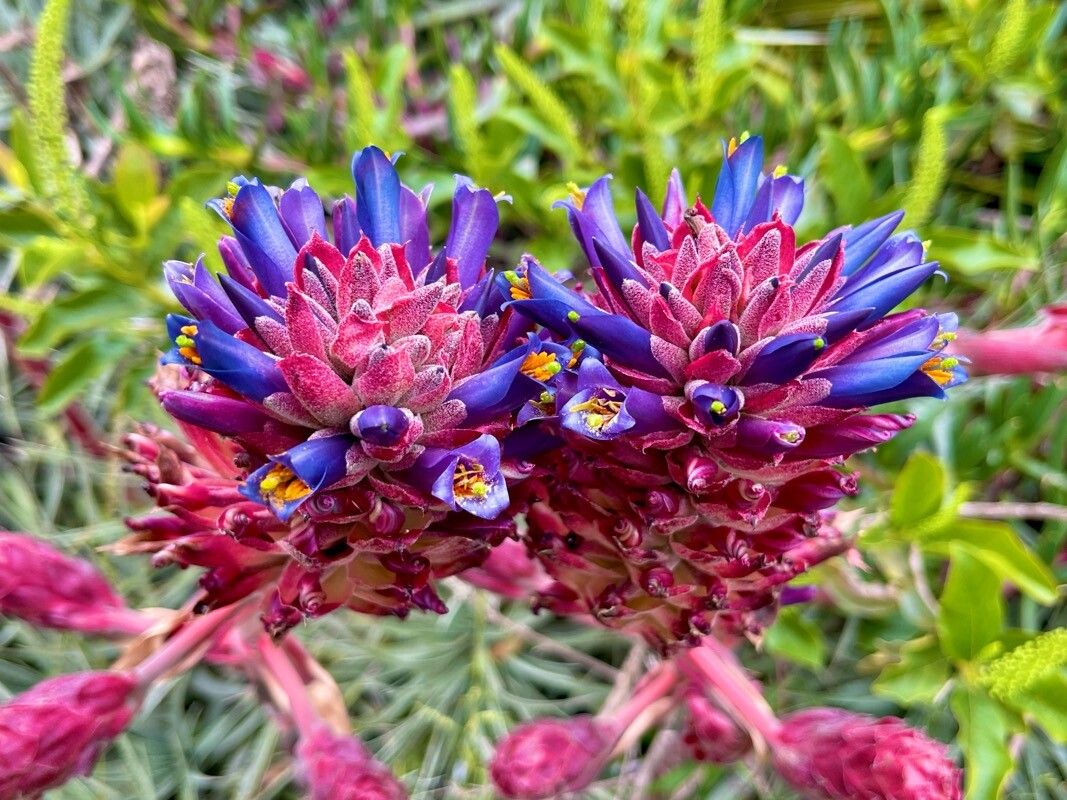
Oh, hello there! Come on in, pull up a chair. It’s lovely to have you over. Today, we’re going to talk about a truly special plant that I’ve had the pleasure of growing for years: Puya venusta. If you’ve ever seen one of these beauties, you know what I mean. Their spiky, architectural foliage and those stunning, elusive blue flowers are just mesmerizing. And the best part? You can actually grow more of them! Propagating Puya venusta can be incredibly rewarding, a little journey into understanding this unique bromeliad better. Now, for beginners, I’d say it’s leaning more towards “moderately challenging.” It’s not as simple as sticking a leaf in water, but with a little patience and the right approach, you’ll be successful.
The Best Time to Start
When it comes to Puya venusta, timing is key. The absolute best time to begin propagation is during its active growing season, which is typically late spring through summer. This is when the plant is already putting on a growth spurt, and the cuttings or divisions will have the best chance to establish themselves quickly. Trying to propagate when the plant is dormant, like in the heart of winter, is just setting yourself up for disappointment. You want that warm sunshine and longer days working in your favor!
Supplies You’ll Need
Before we dive in, let’s get our tools ready. A little preparation goes a long way, doesn’t it?
- Sharp, clean pruning shears or a sharp knife: Essential for making clean cuts and preventing disease. Sterilize them with rubbing alcohol.
- Well-draining potting mix: I personally like a blend of coarse sand, perlite, and a good quality potting soil. You want it airy so water doesn’t linger. A specific bromeliad mix works wonderfully too.
- Small pots or trays: Whatever will comfortably hold your new plantlings. Make sure they have drainage holes!
- Rooting hormone (optional but recommended): This can give your cuttings a helpful boost. Look for one formulated for woody stems or leaf cuttings.
- Watering can with a fine rose: For gentle watering.
- Labels and a marker: So you don’t forget what you planted where!
Propagation Methods
Puya venusta is primarily propagated through offsets, also known as pups. These are the little baby plants that grow from the base of the mother plant.
- Locate the Offsets: Gently examine the base of your mature Puya venusta. You’ll often see small rosettes emerging from the parent plant’s roots or even lower down on the main stem. Wait until these offsets are a decent size, at least a few inches tall and have started to develop their own root system. This usually happens after the mother plant has bloomed.
- Carefully Separate: This is the most delicate part. Using your sterilized pruning shears or knife, carefully cut the offset away from the mother plant. Try to get as many of its own roots as possible. If the offset is attached by a very thin runner, a clean cut is straightforward. If it’s more embedded, you might need to dig around a bit or separate it from the main root ball.
- Allow to Callus: This is a crucial step that many newcomers miss! Once you’ve separated the offset, let it air dry in a warm, dry, and shaded spot for a few days to a week. You’ll see the cut end start to form a dry scab, or callus. This callus acts like a natural bandage, protecting the plant from rot when you plant it.
- Planting: Once callused, fill your pot with your well-draining mix. Make a small hole in the center and gently plant the offset, firming the soil around its base. You don’t need to bury it deeply; just ensure it’s stable.
- Initial Watering: Water very sparingly at first. You want the soil to be barely moist. Overwatering at this stage is the quickest way to invite rot.
The “Secret Sauce” (Pro Tips)
Here are a couple of things I’ve learned over the years that really make a difference:
- Don’t overwater, especially at first. I know I mentioned it, but it bears repeating. These guys are like succulents in their need for dry conditions. Think of them as desert dwellers who happen to be bromeliads. When in doubt, it’s better to underwater than overwater.
- Provide a little warmth from below. If you can, place your pots on a heated propagation mat, especially if your house tends to be cooler. This gentle bottom heat really encourages root development. It mimics the natural warmth of the soil in their native habitat.
Aftercare & Troubleshooting
Once you see new growth emerging, that’s your cue that roots are forming! Continue to water very sparingly, allowing the soil to dry out between waterings. Gradually introduce your new pup to more light, but avoid direct, intense sun initially.
The most common problem you’ll face is rot. Signs of rot include a mushy, dark base, wilting leaves that don’t perk up, or a generally unhealthy appearance. If you suspect rot, you may need to pull the plant out, cut away any rotted sections (using your sterilized knife), and let it callus again before replanting in fresh, dry soil. It’s disheartening, but often salvageable if caught early. Another issue can be lack of root development. This is usually down to patience or too much moisture. Just keep them in the right conditions and wait.
A Encouraging Closing
So there you have it! Propagating Puya venusta is a bit of a dance, requiring a gentle touch and watchful eye. Don’t get discouraged if your first attempts aren’t perfect. Each plant, each offset, is a learning experience. Be patient, enjoy the process of nurturing these spiky wonders, and soon you’ll have a little army of these delightful plants to admire. Happy gardening!
Resource:
https://identify.plantnet.org/k-world-flora/species/Puya%20venusta%20(Baker)%20Phil./data