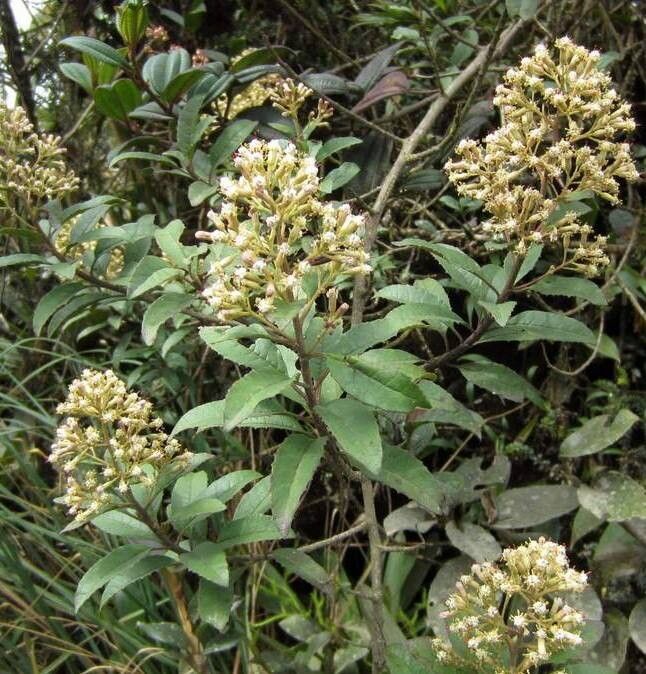
Hey there, fellow plant lovers! If you’ve ever admired the tough beauty of Baccharis latifolia, also known as Desert Broom or Seepwillow, you’re in for a treat. This plant is a real workhorse in the garden. It’s super resilient, loves dry conditions, and attracts all sorts of beneficial insects with its delicate blooms. Plus, its airy, almost feathery foliage adds a wonderful texture to landscapes.
Want to fill your garden or share these beauties with friends? Propagating Baccharis latifolia is a wonderfully rewarding process. For those of you just dipping your toes into the plant-propagation pool, I’d say this one is moderately easy. It’s not as foolproof as a succulent, but with a little patience and the right approach, you’ll be celebrating success in no time.
The Best Time to Start
My absolute favorite time to take cuttings is in late spring to early summer, just as the plant is in a strong growth spurt. You want to grab stems that are soft and pliable – we call these “greenwood cuttings.” Avoid woody, old growth; it’s much harder to root. Another good window is in early autumn for “semi-hardwood cuttings,” which are stems that have started to firm up a bit but aren’t completely woody yet.
Supplies You’ll Need
Gathering your supplies beforehand makes the whole process so much smoother. Here’s what I always have on hand:
- Sharp pruning shears or a clean craft knife: For making clean cuts.
- Rooting hormone (optional, but recommended): A powder or gel that encourages root development.
- Well-draining potting mix: I prefer a blend of equal parts perlite and peat moss, or a commercial seedling starting mix.
- Small pots or propagation trays: With drainage holes are a must!
- A plastic bag or propagation dome: To create a humid environment.
- Watering can or spray bottle: For gentle watering.
- Labels: So you don’t forget what you planted!
Propagation Methods
Let’s get our hands dirty! Stem cuttings are the most straightforward and successful way to go with Baccharis latifolia.
Stem Cuttings
- Select your parent plant: Find a healthy, vigorous Baccharis latifolia.
- Take cuttings: Using your clean shears, cut stems that are about 4-6 inches long. Make the cut just below a leaf node (the spot where a leaf attaches to the stem).
- Prepare the cuttings: Gently strip off the lower leaves, leaving just a few at the very top. This prevents them from rotting in the soil. If your cuttings are very large, you can even cut the remaining leaves in half lengthwise to reduce water loss.
- Apply rooting hormone (optional): Dip the cut end of each stem into your rooting hormone, tapping off any excess.
- Pot them up: Fill your small pots or trays with your prepared potting mix. Moisten the mix thoroughly before planting.
- Insert the cuttings: Make a small hole in the soil with a pencil or your finger and insert the cuttings, ensuring the lower leaf nodes are buried.
- Water gently: Give them a light watering to settle the soil around the stems.
- Create humidity: Cover the pots with a clear plastic bag or a propagation dome. Stick your labels in so you remember what’s what!
Water Propagation (A Simpler Approach, with a Cautionary Note)
For some plants, water propagation is easy. You can try it with Baccharis latifolia, but be aware that roots grown in water can be more fragile and sometimes struggle to adapt to soil.
- Follow steps 1-3 from the stem cutting method.
- Place the prepared cuttings in a jar or glass of clean water.
- Ensure no leaves touch the water. This is crucial to prevent rot.
- Place the jar in a bright spot, out of direct sunlight.
- Change the water every few days to keep it fresh.
- Roots should start to form in a few weeks. Once they are about an inch long, you can try transplanting them into soil. Be very gentle with these delicate roots.
The “Secret Sauce” (Pro Tips)
Here are a few tricks I’ve picked up over the years that can really boost your success rates:
- Bottom Heat is Your Friend: Baccharis latifolia loves a little warmth from below. Placing your pots on a heat mat set to a low temperature (around 70-75°F or 21-24°C) will significantly encourage root development. You’ll often see roots form much faster!
- Don’t Overwater, Ever! This is probably the most common mistake. Cuttings sitting in soggy soil will rot before they root. The goal is consistently moist, not waterlogged. Let the top inch of soil dry out slightly between waterings.
- Air Circulation is Key: While you want humidity, stagnant air can encourage fungal diseases. I like to “vent” my domes or bags for a few minutes each day. Just lift the plastic up to let some fresh air circulate.
Aftercare & Troubleshooting
Once you start to see signs of new growth – tiny leaves unfurling or a gentle tug resisting in the soil – you know roots are forming!
- Gradually Acclimate: Once roots are established (usually after a month or so), you can begin to gradually introduce your new plants to normal garden conditions. Start by removing the plastic bag for longer periods each day, and then move them to a shadier spot outdoors before planting them in their final location.
- Water Like an Adult Plant: Once they’re in pots or the ground, water them as you would any other young shrub – deeply, but allowing the soil to dry out a bit between waterings.
- Watch for Rot: The most common pitfall is rot. If your cuttings turn black and mushy or develop fuzzy white mold, it’s usually a sign of too much moisture and not enough airflow. Unfortunately, this usually means they’re a loss. Pull them out, discard the affected material, and start fresh with drier soil and better ventilation. Another sign of stress can be wilting that doesn’t perk up after watering – this often points to root rot.
Happy Propagating!
Watching a tiny piece of stem transform into a new plant is one of the most magical parts of gardening. Don’t get discouraged if your first few attempts aren’t perfect. Every gardener has lost a cutting or two! Be patient with your Baccharis latifolia, give them what they need, and celebrate each little victory. You’ll soon have a whole nursery of these wonderful shrubs to enjoy. Happy planting!
Resource:
https://identify.plantnet.org/k-world-flora/species/Baccharis%20latifolia%20Pers./data