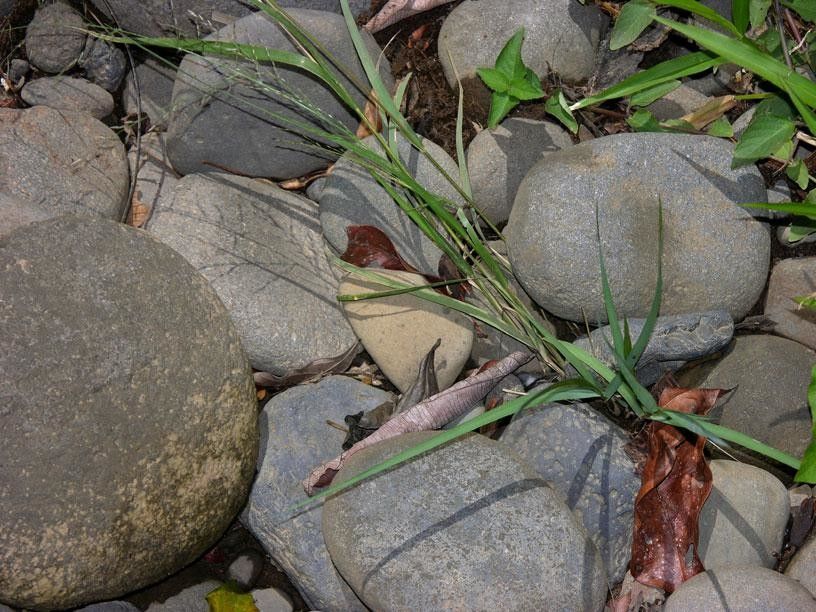
Hello, fellow garden enthusiasts! Let’s chat about a plant that’s truly captured my heart over the years: Eragrostis acutiflora. This gorgeous ornamental grass, often called Cloud Grass or Love Grass, is just magical. Its delicate, airy plumes bring such movement and ethereal beauty to any garden or vase. And the best part? It’s surprisingly simple to propagate! If you’re just dipping your toes into the world of plant reproduction, this is a wonderful place to start. You’ll be rewarded with more of that whisper-soft charm for free!
The Best Time to Start
For Eragrostis acutiflora, spring is generally your best bet. Aim for late spring or early summer, after the last frost has passed, but before the intense heat of midsummer sets in. This gives the young plants a nice, long growing season to establish themselves. You can also divide mature clumps in early autumn, giving them time to settle in before winter.
Supplies You’ll Need
To get your Eragrostis acutiflora propagation journey started, gather these handy items:
- Sharp, clean pruning shears or scissors: For making neat cuts.
- Potting mix: A well-draining mix is crucial. I like a blend of peat moss, perlite, and a bit of compost. Sterilized potting soil is always a good idea.
- Small pots or seed trays: With drainage holes, of course!
- Rooting hormone (optional but helpful): Especially if you’re a beginner, this can give your cuttings a nice boost.
- Watering can or spray bottle: For gentle watering.
- A trowel or dibber: For making holes in the soil.
- Clear plastic bags or propagation domes: To create a humid environment.
- Labels and a waterproof marker: To keep track of what’s what!
Propagation Methods
Eragrostis acutiflora is most commonly and successfully propagated through division. This is where you split a mature plant into smaller ones.
Division Method:
- Choose a healthy, mature plant. Look for a clump that’s well-established, usually at least a year old.
- Gently dig up the entire plant. Use your trowel or spade to loosen the soil all around the base and lift the plant carefully. You might need to do this on a cooler, overcast day to minimize stress on the plant.
- Clean off excess soil. Gently shake or brush away as much soil from the root ball as you can. This will help you see the natural divisions within the plant.
- Identify natural divisions. Look for sections of the plant that have their own roots and shoots.
- Divide the plant. This is the key step. You can often do this by hand, gently pulling the root ball apart. For tougher clumps, use your sharp pruning shears or a clean spade to cut through the roots and rhizomes. Aim for divisions that have at least a few shoots and some healthy roots.
- Prepare your new pots. Fill them with your prepared, well-draining potting mix.
- Plant your divisions. Make a hole in the soil of your new pot large enough for the roots of your division. Place the division in the hole, ensuring the crown (where the shoots emerge from the roots) is at or just slightly below the soil surface.
- Water gently but thoroughly. You want the soil to be moist, not waterlogged.
- Provide humidity. Cover the pots with a clear plastic bag or a propagation dome. This helps keep the moisture in, which is vital for the new divisions to establish themselves. You can secure the bag with a rubber band around the pot.
The “Secret Sauce” (Pro Tips)
Here are a few little tricks I’ve learned over the years that can really make a difference:
- Don’t overwater new divisions. It’s tempting to keep them soaking, but Eragrostis acutiflora doesn’t like soggy feet, especially when it’s trying to establish. Let the top inch of soil dry out slightly between waterings.
- Give them a bright, indirect spot. While they love sun once established, new divisions can get scorched. A bright windowsill out of direct, scorching sun is perfect.
- Pinch off spent flower stalks. Even on the divisions, if you see any old flower heads, snip them off. This encourages the plant to put its energy into root development and new leaf growth, rather than trying to produce seeds.
Aftercare & Troubleshooting
Once your divisions have been planted, keep them in their humid environment. Check them regularly for new growth. You’ll know they are establishing when you see fresh green shoots emerging. After a few weeks, you can start to gradually acclimate them to slightly lower humidity by opening the plastic bag or dome for a few hours each day. Eventually, you can remove it altogether.
The most common sign of trouble is rot. If you notice your division looking mushy or developing dark, wilted leaves that weren’t there before, it’s likely too much moisture. If you see this, gently remove the affected parts, allow the soil to dry out a bit more, and increase air circulation.
Happy Propagating!
Watching a new plant sprout from a piece of another is one of the most rewarding feelings for a gardener. Be patient with your Eragrostis acutiflora divisions. They might seem a bit slow at first, but with a little care and attention, you’ll soon have a whole new collection of these beautiful grasses to enjoy. Happy propagating!
Resource:
https://identify.plantnet.org/k-world-flora/species/Eragrostis%20acutiflora%20(Kunth)%20Nees/data