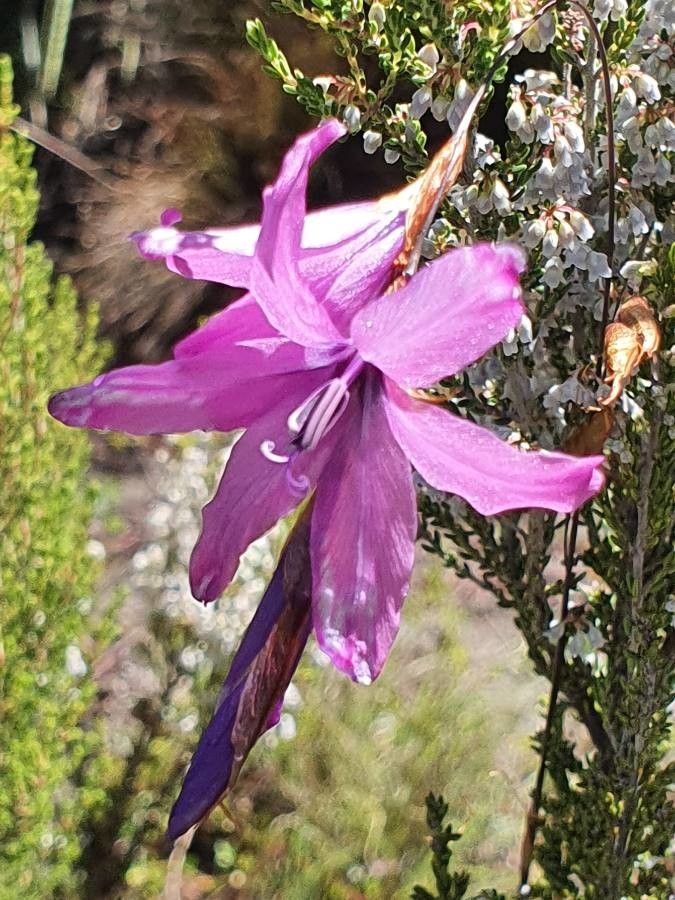
Hello, fellow plant lovers! Today, we’re diving into the delightful world of Dierama cupuliflorum. These exquisite little bell-shaped flowers, often called “Angel’s Fishing Rods,” are just magical in the garden. Their pendulous blooms dance in the slightest breeze, adding a touch of delicate elegance and graceful movement. Propagating them yourself is incredibly rewarding, giving you more of these beauties for your own patch or to share with gardening friends. Now, let’s be upfront. While not impossible, Dierama cupuliflorum can be a wee bit fiddly for absolute beginners. But don’t let that deter you! With a little patience and these tried-and-true methods, you’ll be celebrating success.
The Best Time to Start
For Dierama cupuliflorum, the sweet spot for propagation is typically spring, as the plant begins its active growing season. You’re looking for healthy, new growth that hasn’t yet flowered. Alternatively, if you’re dividing a mature clump, early autumn just after flowering can also work well, giving the divisions time to establish before winter.
Supplies You’ll Need
Here’s what you’ll want to have on hand for your propagation adventure:
- Sharp, clean pruning shears or a sharp knife: For making clean cuts.
- Well-draining potting mix: A good blend for this is typically 50% peat or coir and 50% perlite or coarse sand.
- Small pots or seed trays: With drainage holes, of course!
- Rooting hormone (optional but recommended): A powder or gel can give your cuttings an extra boost.
- Perlite or vermiculite: To mix into your soil or use as a surface layer.
- A watering can with a fine rose: For gentle watering.
- Labels and a waterproof pen: To keep track of your efforts!
- A propagator or plastic bag: To create a humid environment for cuttings.
- Gloves: To keep your hands clean.
Propagation Methods
The most reliable way to propagate Dierama cupuliflorum is through division. These plants form clumping rhizomes, making this method quite straightforward.
Division: The Tried-and-True Method
- Dig Carefully: In spring or early autumn, gently dig up the entire plant. Try to disturb the roots as little as possible. You can do this with a garden fork or trowel, working your way around the clump.
- Clean the Roots: Gently brush away excess soil from the rhizomes. You want to clearly see where the new growth emerges from the older parts.
- Identify Divisions: Look for naturally occurring sections of the rhizome. Each division should have at least one healthy shoot and a good portion of root attached.
- Separate Gently: Using your clean hands, a trowel, or your pruning shears, carefully separate the divisions. Twist and pull, or make clean cuts where necessary. Avoid breaking off roots if you can.
- Prepare the Pots: Fill your chosen pots with your well-draining potting mix.
- Plant the Divisions: Make a hole in the soil large enough to accommodate the roots. Place the division in the hole, ensuring the top of the rhizome is roughly level with the soil surface. You don’t want to bury the new shoots too deeply.
- Water Gently: Water the newly potted divisions thoroughly but gently. You want the soil to be moist, not waterlogged.
- Location, Location, Location: Place the pots in a sheltered location, out of direct, hot sun. A shaded spot is ideal.
The “Secret Sauce” (Pro Tips)
Here are a few little tricks I’ve picked up over the years that can make a big difference:
- Don’t Overwater the Divisions: This is probably the most common mistake! Dierama can be prone to rot if the soil stays constantly soggy, especially in cooler conditions. Aim for consistently moist, not wet. Let the top inch of soil dry out slightly between waterings.
- Consider Bottom Heat for Divisions (Optional): If you’re dividing in early spring and your soil is still cool, placing your potted divisions on a heated propagator mat can encourage faster root development. Just a gentle warmth is all you need.
- Patience with New Growth: Sometimes, divisions can look a bit sad for a week or two. They might droop a bit as they settle in. This is normal! As long as the rhizome itself isn’t mushy, give them time. The new shoots will start to perk up.
Aftercare & Troubleshooting
Once your divisions are potted, keep them in that sheltered spot. Water them when the top inch of soil feels dry. As they establish and you see new, strong leaf growth, you can gradually introduce them to more light.
The most common issue you’ll encounter is rot. If you notice a division becoming mushy, turning black, or smelling unpleasant, it’s likely succumbed to rot. This usually means it was too wet. Unfortunately, there’s not much you can do once rot sets in, so it’s best to discard it and learn from the experience. Sometimes a bit of yellowing on the tips of new leaves is just the plant adjusting, but if the whole leaf goes yellow and limp, something’s not quite right.
A Little Encouragement to Finish
Propagating Dierama cupuliflorum is a journey, and like any good garden project, it requires a dash of patience and a lot of observation. Don’t be discouraged if your first attempt isn’t a runaway success. Each plant, each season, teaches us something new. Enjoy the process, celebrate every little shoot and root, and soon you’ll have a garden full of these enchanting bell-shaped wonders. Happy gardening!
Resource:
https://identify.plantnet.org/k-world-flora/species/Dierama%20cupuliflorum%20Klatt/data