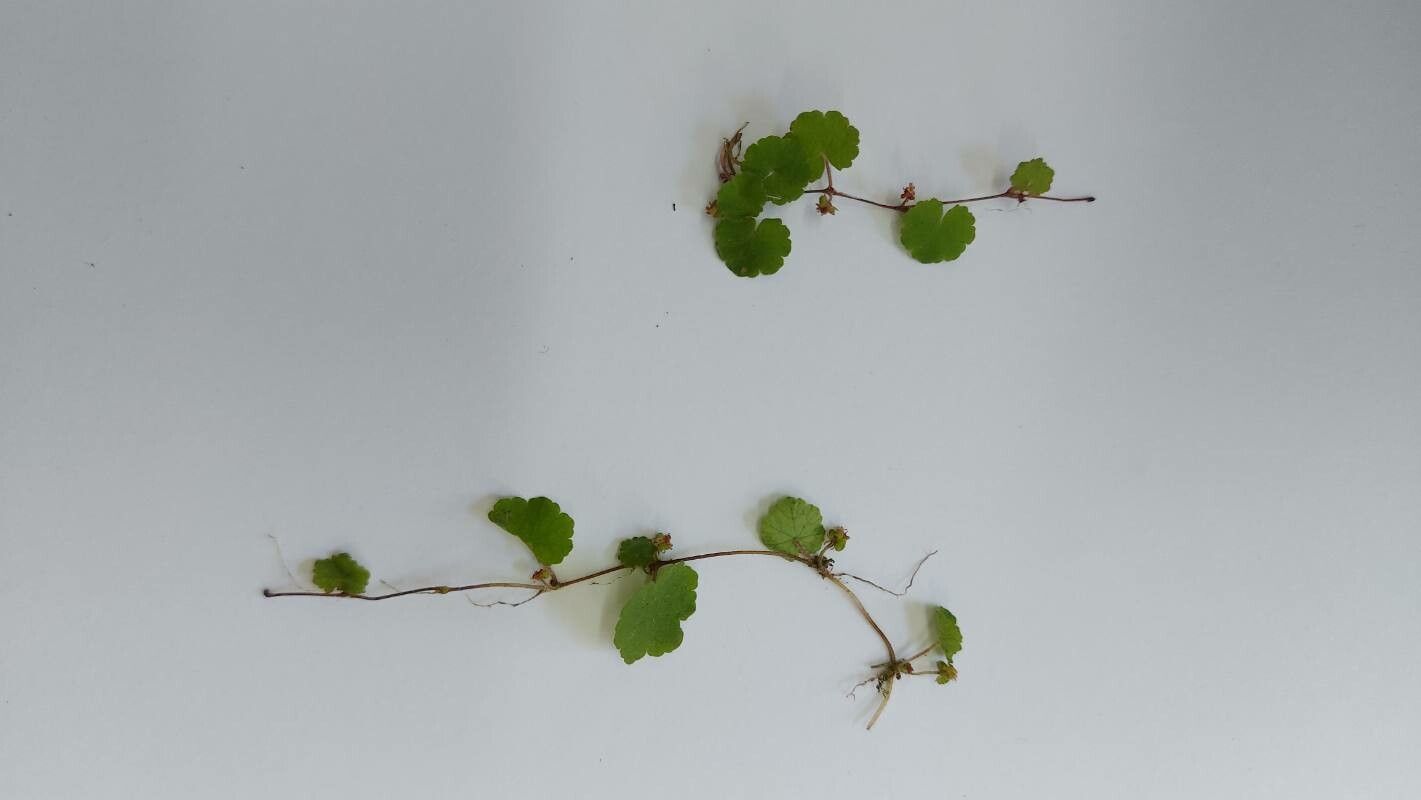
Hey there, fellow plant enthusiasts! I’m so excited to chat with you today about one of my absolute favorite little plants: Hydrocotyle exigua, often called Dwarf Water Pennywort. If you love lush, green groundcovers or adding some delicate texture to your terrariums and paludariums, you’re going to adore this one.
It’s a truly charming plant, with its tiny, scalloped, leaf-like structures that create a beautiful carpeting effect. And the best part? Propagating it is surprisingly easy and incredibly rewarding. You’ll be amazed at how quickly you can fill up a pot or even share some with your gardening buddies. Honestly, even if you’re just dipping your toes into the world of propagation, Hydrocotyle exigua is a fantastic place to start.
The Best Time to Start
For Hydrocotyle exigua, the sweet spot for propagation is really during its active growing season. Think late spring through summer. This is when the plant has the most energy, making it more receptive to rooting and developing new growth. You can absolutely try it at other times, but you’ll likely see the quickest and most vigorous results when the days are longer and warmer.
Supplies You’ll Need
To get started with your Hydrocotyle exigua propagation, gather these handy items:
- Sharp pruning shears or scissors: Cleanliness is key!
- A well-draining potting mix: I like a blend of peat moss, perlite, and a bit of coco coir for good aeration and moisture retention. For terrarium settings, a specialized terrarium mix is excellent.
- Small pots or trays: Whatever you have that’s suitable for starting new plants.
- Water: Fresh, room-temperature water.
- Optional: Rooting hormone: While not strictly necessary for this plant, it can give an extra boost. Powder or gel forms work well.
- Optional: A clear plastic bag or dome: To create a humid environment for cuttings.
Propagation Methods
Hydrocotyle exigua is wonderfully versatile, and I usually rely on two main methods: stem cuttings and water propagation.
1. Stem Cuttings: My Go-To for Vigorous Growth
This is my absolute favorite way to multiply Hydrocotyle exigua.
- Find a healthy stem: Look for a long, trailing stem on your established plant. You want a piece that has several nodes – these are the little bumps where leaves emerge.
- Make the cut: Using your clean shears, cut a stem piece that is at least 2-3 inches long and has at least two or three nodes. Cut just below a node.
- Prepare the cutting: Gently remove any leaves from the bottom node or two. This prevents them from rotting when you bury them or submerge them. If you’re using rooting hormone, dip the cut end into it now.
- Plant it up: Stick the cut end about an inch deep into your prepared potting mix. Make sure at least one node is buried. Gently firm the soil around it. Water it thoroughly.
- Create humidity: If your environment is a bit dry, place a clear plastic bag over the pot, or cover it with a dome. Just make sure it’s not sealed tightly, allowing for some air circulation.
2. Water Propagation: The “Watch It Grow” Method
This is a fun one to visually track the root development.
- Take your cutting: Similar to stem cuttings, select a healthy stem of at least 2-3 inches with a few nodes. Cut just below a node.
- Trim the leaves: Remove any leaves that would end up below the waterline in your container.
- Place in water: Pop your cutting into a small jar or glass of fresh, room-temperature water. Ensure the nodes are submerged, but the remaining leaves are above the water.
- Find a good spot: Place the container in a location with bright, indirect light.
The “Secret Sauce” (Pro Tips)
Here are a few little tricks I’ve picked up over the years that really help these little fellas thrive:
- Don’t let the leaves touch the water (in water propagation): This is a big one! Any leaves submerged will eventually rot and can take your cutting down with them. Regularly trim them so they stay just above the waterline.
- Patience with stem cuttings: When planting cuttings in soil, resist the urge to tug on the stem to see if it has rooted. You’ll know it has when you see new leaf growth emerging. This often takes a few weeks.
- Bottom heat can be a game-changer: If you’re struggling with rooting, especially in cooler months, placing your pots or water containers on a seedling heat mat can significantly speed things up. It mimics the warmer soil temperatures the plant loves.
Aftercare & Troubleshooting
Once your Hydrocotyle exigua cuttings have developed a good root system (you’ll see roots emerging from the nodes in water, or feel a gentle resistance when testing for rooting in soil), it’s time for their next chapter!
- For water-rooted cuttings: Gently transplant them into your potting mix, burying the new roots. Water them well.
- For soil-rooted cuttings: They should already be in their growing medium! Continue to keep the soil consistently moist, but not waterlogged.
- Light: Keep them in bright, indirect light. Too much direct sun can scorch their delicate leaves.
- Humidity: They love a humid environment, so terrariums, mini greenhouses, or placing them in a general grouping of plants is ideal.
Now, what if things go a bit sideways? The most common culprit is rot. Signs of this include mushy stems, yellowing leaves that drop easily, or a foul smell. This usually happens due to overwatering or poor air circulation. If you spot rot, trim away the affected parts immediately with clean shears. For water propagation, change the water more frequently and ensure leaves aren’t submerged. For soil propagation, allow the top layer of soil to dry slightly between waterings and ensure good airflow.
A Little Encouragement
See? Propagating Hydrocotyle exigua is a joy, not a chore! Be patient with your new little green babies. Nature works at its own pace, and watching them grow from a tiny cutting into a lush plant is one of the most satisfying parts of gardening. So gather your supplies, take some cuttings, and enjoy the process! Happy growing!
Resource:
https://identify.plantnet.org/k-world-flora/species/Hydrocotyle%20exigua%20(Urb.)%20Malme/data