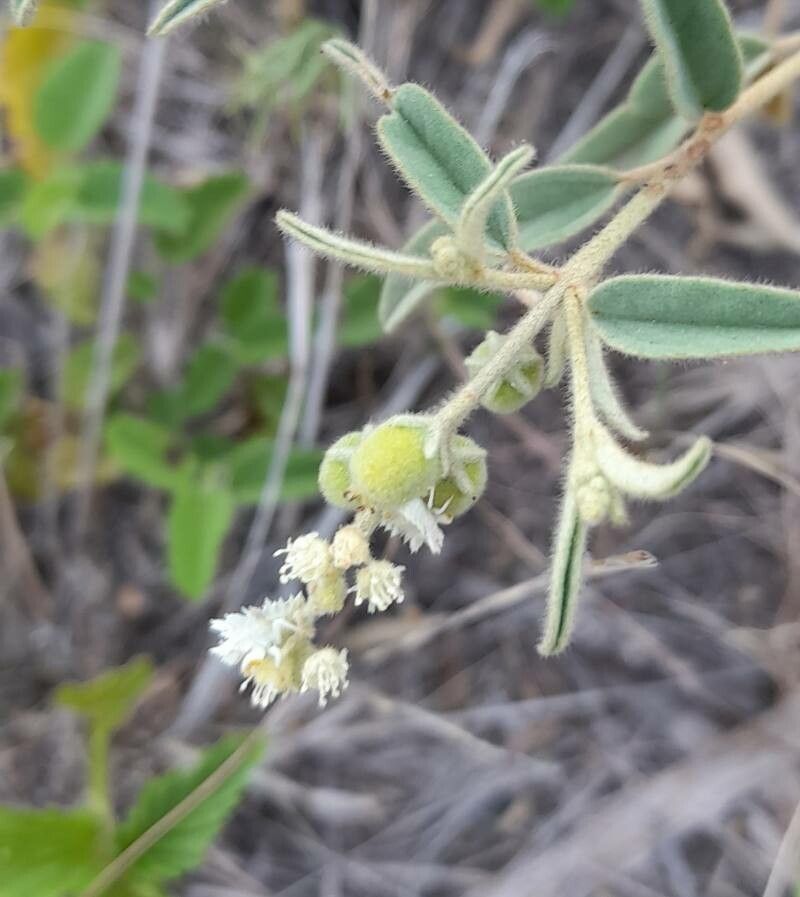
Hello, fellow garden enthusiasts! I’m so excited to talk to you today about a plant that truly brings a splash of vibrant color to any space: Croton lanatus. You might know it by other names, but for me, it’s always been that sunshine-yellow, often fuzzy-leafed beauty that just cheers up a room. Propagating your own crotons is incredibly rewarding. Watching a tiny slip of a leaf transform into a thriving new plant is pure magic, and it’s a surprisingly accessible project, even for those just dipping their toes into the gardening world.
The Best Time to Start
When it comes to giving your Croton lanatus cuttings the best chance to root, spring and early summer are your golden ticket. This is when the plant is in its active growth phase, brimming with energy. You’ll find that cuttings taken during this period are more vigorous and more likely to develop a strong root system. Aim for when the plant is actively producing new shoots.
Supplies You’ll Need
Before we dive into the nitty-gritty, let’s gather our tools. Think of this as setting up your little propagation station:
- Sharp Pruning Shears or a Clean Knife: For taking clean cuts.
- Rooting Hormone (Powder or Gel): This is optional but can give your cuttings a significant boost.
- Well-Draining Potting Mix: A blend of equal parts peat moss or coco coir, perlite, and sand works wonders. You can also find specific houseplant or propagation mixes.
- Small Pots or Seedling Trays: For your cuttings to root in. Make sure they have drainage holes!
- Watering Can or Spray Bottle: For gentle watering.
- Clear Plastic Bag or Dome: To create a humid environment for your cuttings.
- Optional: Rooting Mat or Heat Mat: For providing bottom heat.
Propagation Methods
Now, for the fun part! Let’s get our hands dirty and multiply those lovely crotons.
Stem Cuttings (My Favorite!)
This is the most common and often the most successful method for Croton lanatus.
- Select a Healthy Stem: Look for a non-flowering stem that’s at least 4-6 inches long and has several leaves.
- Make the Cut: Using your sharp shears or knife, make a clean cut just below a leaf node (where a leaf attaches to the stem). This is where the magic really happens, as most of the rooting hormones are concentrated here.
- Prepare the Cutting: Gently remove the lower leaves from the cutting, leaving about 2-3 leaves at the top. If the remaining leaves are very large, you can cut them in half to reduce water loss.
- Apply Rooting Hormone (Optional): Dip the cut end of the stem into your rooting hormone, tapping off any excess.
- Plant Your Cutting: Fill your small pot or tray with the well-draining potting mix and moisten it slightly. Make a small hole with your finger or a pencil and insert the cut end of the croton cutting about an inch deep. Gently firm the soil around it.
- Create Humidity: Water the soil very gently. Then, cover the pot with a clear plastic bag or a propagation dome. Make sure the leaves don’t touch the plastic if possible.
Water Propagation
This method is a bit simpler and visually satisfying as you can watch the roots develop.
- Take Your Cutting: Follow steps 1 and 2 from the stem cutting method.
- Remove Lower Leaves: Remove all leaves that would sit below the water level.
- Place in Water: Put the cutting in a clean jar or glass filled with room-temperature water.
- Ensure No Leaves Touch Water: This is crucial! Letting leaves sit in water will cause them to rot, and your cutting will fail.
- Place in Bright, Indirect Light: Find a spot that gets plenty of light but no direct sun. Change the water every few days to keep it fresh.
The “Secret Sauce” (Pro Tips)
Over the years, I’ve picked up a few little tricks that seem to make all the difference with these beauties.
Firstly, bottom heat is a game-changer. If you can, place your pots on a gentle heat mat. This encourages root development from the soil level, giving your cuttings that extra push they need. Think of it as a cozy little warm bed for them to sprout roots in!
Secondly, when using the plastic bag method, don’t seal it completely tight. Leave a small opening to allow for some air circulation. Too much stagnation can lead to fungal issues. A little gentle airflow is better than none.
And finally, for water propagation, I always advise using filtered or distilled water if your tap water is particularly hard. Minerals in tap water can sometimes inhibit root growth.
Aftercare & Troubleshooting
Once you see those lovely little roots appearing (you might see them peeking out of the drainage holes, or if you chose water propagation, they’ll be clearly visible!), it’s time to transition your new baby Croton lanatus to its permanent home.
Care for your newly rooted plant as you would a mature croton, but be gentler. Keep the soil consistently moist but not waterlogged. Place it in bright, indirect light. As it grows, you can gradually introduce it to more direct sunlight, just as you would an older plant.
Now, what if things go wrong? The most common culprits are rot and wilting. If your cutting turns mushy at the base, or the leaves droop and yellow without any sign of new growth, it’s likely due to overwatering or insufficient humidity. Make sure your soil is draining well, and that your plastic cover isn’t creating a swamp. If you see signs of rot, it’s often best to discard the affected cutting and try again with fresh material and a drier soil mix.
A Last Word of Encouragement
Propagating Croton lanatus is a truly rewarding experience. Don’t get discouraged if your first few attempts aren’t perfect. Gardening is all about learning and experimenting. Be patient, observe your cuttings, and enjoy the process of bringing more of these cheerful plants into your life. Happy propagating!
Resource:
https://identify.plantnet.org/k-world-flora/species/Croton%20lanatus%20Lam./data