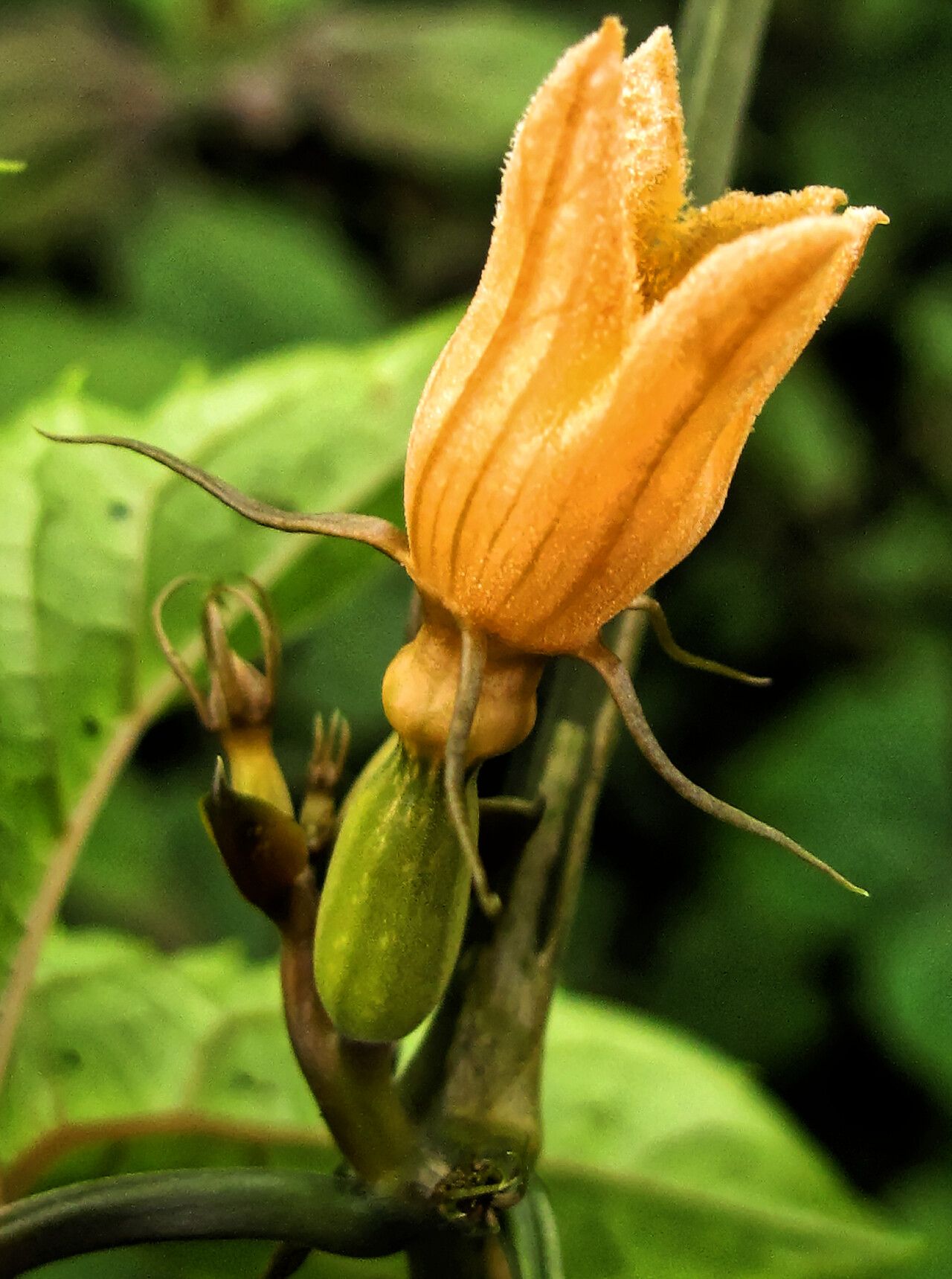
Hello, fellow plant lovers! I’m so excited to talk to you today about one of my absolute favorites: Coccinia adoensis. This gorgeous vine, often called the “Emerald Star,” with its vibrant green leaves and delicate tendrils, brings such a refreshing energy to any space. Plus, coaxing a new plant to life from a cutting is incredibly satisfying. It’s a really rewarding plant to propagate, and I think even beginners can have a lot of success with it.
The Best Time to Start
When it comes to Coccinia adoensis, I find you’ll get the best results by propagating in spring or early summer. This is when the plant is actively growing, its energy is high, and it’s more likely to put out those lovely roots. Don’t be afraid to try it at other times, but spring is definitely your prime cut-off window.
Supplies You’ll Need
Here’s what you’ll want to have on hand:
- Sharp, clean pruning shears or a clean knife: Essential for making nice, clean cuts.
- A well-draining potting mix: I usually use a mix of peat moss, perlite, and a bit of compost.
- Small pots or trays: For your cuttings to get started.
- Rooting hormone (optional but helpful): For encouraging faster root development.
- A clear plastic bag or propagation dome: To create a humid microclimate.
- Water: For watering your cuttings.
Propagation Methods
I usually stick to stem cuttings for Coccinia adoensis, and it works like a charm.
-
Take Your Cuttings: On a healthy, actively growing stem, look for a section that has at least two or three nodes. A node is where the leaf stem meets the main vine. Make a clean cut just below a node. I like to take cuttings that are about 4-6 inches long.
-
Prepare Your Cuttings: Gently remove any lower leaves, leaving at least one or two at the top. This helps prevent them from rotting in the soil or water. If you’re using rooting hormone, dip the cut end into it, tapping off any excess.
-
Get Them Rooting:
- In Soil: Fill your small pots with your well-draining potting mix. Make a small hole with your finger or a pencil and gently insert the cut end of the stem, ensuring at least one node is buried. Water thoroughly.
- In Water: You can also place the prepared cuttings in a jar or glass of clean water. Make sure only the stem is submerged, not the leaves. Change the water every few days to keep it fresh.
-
Create Humidity: This is key! Cover your pots with a clear plastic bag, poking a few small holes for air circulation, or place them under a propagation dome. If you’re rooting in water, you can also loosely cover the opening of the jar with plastic wrap.
The “Secret Sauce” (Pro Tips)
Now for a couple of things I’ve learned over the years that really make a difference:
- Don’t let those lower leaves touch the water or soil! I know I mentioned it before, but it bears repeating. Any part of the cutting that’s submerged and not a node is just an invitation for rot. Keep it clean and airy.
- Bottom heat is a game-changer. If you have a heat mat designed for seedlings, place your pots on it. This gentle warmth encourages root development from below, and your Coccinia adoensis cuttings will absolutely love it. It mimics the coziness of spring soil.
Aftercare & Troubleshooting
Once you see new leaf growth or feel a gentle tug when you lightly pull on the cutting, it’s a good sign that roots have formed. Then it’s time to gradually acclimate your new plant to normal conditions. Start by opening the plastic bag a little each day for a week before removing it completely. If you rooted in water, wait until the roots are about an inch long before carefully transplanting them into your well-draining soil mix.
The most common problem you might face is rot. If you see your cutting turning mushy or black, it’s usually due to too much moisture and not enough air circulation. If you catch it early, you might be able to salvage a healthy tip by recutting and trying again, but prevention is best. Ensure your soil drains well and don’t overwater.
Happy Planting!
Propagating Coccinia adoensis is a journey of patience and a little bit of magic. Don’t get discouraged if your first attempt isn’t perfect. Each cutting is a learning opportunity. Just keep trying, observe your plants, and most importantly, enjoy the process of growing something new! Happy gardening!
Resource: