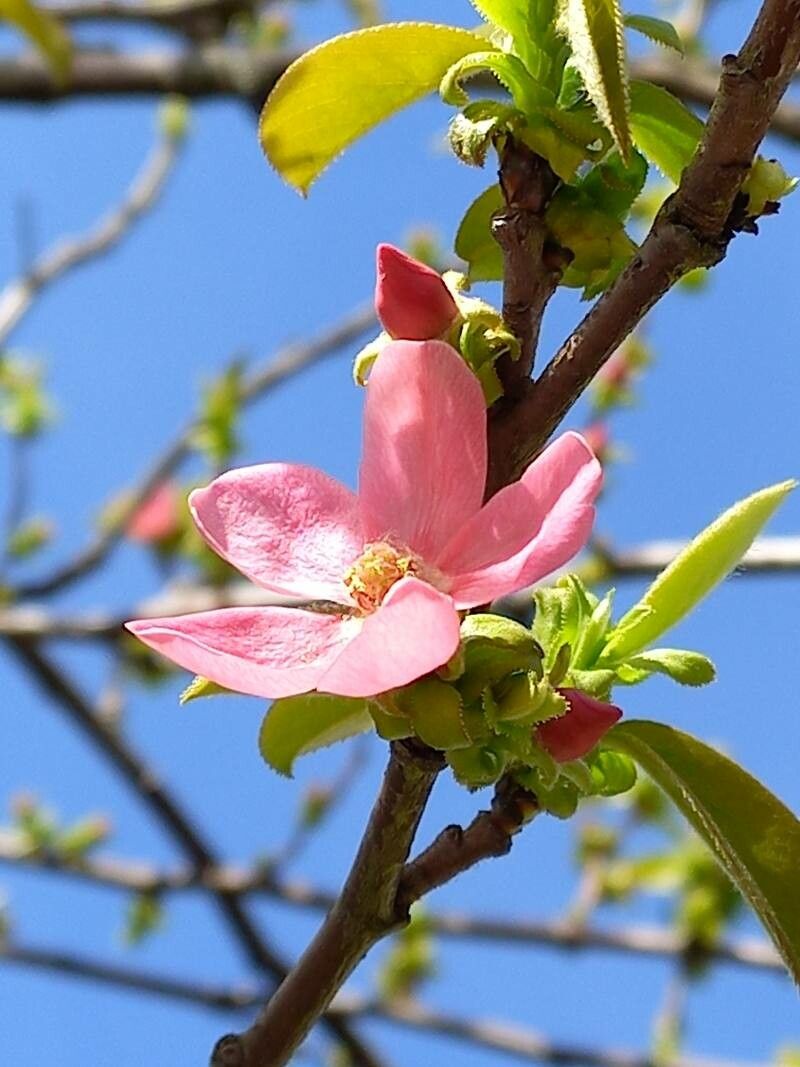
Hello there, fellow plant lovers! Today, I want to talk about a truly special plant that has brought so much joy to my garden over the years: Pseudocydonia sinensis, or the Chinese Quince. You might know it for its beautiful spring blossoms, its wonderfully fragrant fruit (hello, jelly!), or sometimes, its striking fall color. Honestly, it’s a multi-talented beauty!
If you’ve ever admired this shrub or small tree, you might be thinking about adding more to your landscape or sharing cuttings with a friend. Propagating it yourself is incredibly satisfying. Now, for the beginners out there, I’d say it’s not the easiest plant to start with, but with a little patience and these tips, you’ll be well on your way to success. It’s definitely a rewarding challenge!
The Best Time to Start
For Pseudocydonia sinensis, I find the sweet spot for taking cuttings is in late spring to early summer. This is when the plant is actively growing, and you’ll be able to find nice, semi-hardwood stems. These have softened enough to root easily but still have enough structural integrity. Avoid taking cuttings from brand new, floppy growth or old, woody stems.
Supplies You’ll Need
Gathering your supplies beforehand makes the whole process smoother. Here’s what I always have on hand:
- Sharp Pruning Shears or a Knife: Clean cuts are crucial for healthy rooting.
- Rooting Hormone: This is a powder or gel that helps stimulate root development. You don’t have to use it, but it significantly increases your success rate.
- Well-Draining Potting Mix: A good blend of perlite, peat moss, or coco coir works wonders. I often use a mix specifically formulated for cuttings.
- Pots or Trays: Small pots (4-inch) or seed trays with drainage holes are perfect.
- Plastic Bags or a Propagator: To create a humid environment around your cuttings.
- Water: For keeping things moist and for the water propagation method.
- Labels: Trust me, you’ll thank yourself later when you’ve forgotten what you planted where!
Propagation Methods
We’ll focus on the two methods that usually give me the best results with Pseudocydonia sinensis: stem cuttings and water propagation.
Stem Cuttings (My Go-To!)
- Select Your Stems: Look for healthy, non-flowering stems that are about pencil-thick and still a bit flexible.
- Make the Cut: Using your clean shears, cut sections of the stem about 4-6 inches long. Make the bottom cut just below a leaf node (where a leaf grows from the stem).
- Prepare the Cuttings: Gently remove the lower leaves, leaving just a few at the top. If the top leaves are very large, you can even cut them in half to reduce water loss.
- Apply Rooting Hormone: Dip the cut end of each stem into your rooting hormone, tapping off any excess.
- Plant the Cuttings: Fill your pots or trays with your well-draining potting mix. Make a hole with a pencil or your finger, and then insert the cuttings, ensuring the rooting hormone stays on the cut end. Firm the soil gently around the base.
- Water and Cover: Water thoroughly until you see water drain from the bottom of the pot. Then, cover the pot or tray with a plastic bag or put it inside a propagator to create a humid microclimate.
Water Propagation (Simpler, but can be trickier for long-term success)
- Select and Prepare: Similar to stem cuttings, choose healthy, semi-hardwood stems about 4-6 inches long. Remove all the leaves except for the top two or three.
- Place in Water: Fill a clean jar or vase with clean water. Place the cuttings in the water, ensuring the leaf nodes are submerged, but crucially, don’t let the leaves touch the water. This is so important to prevent rot!
- Find a Spot: Place the jar in a bright location away from direct sunlight.
- Change Water Regularly: Change the water every 2-3 days to keep it fresh and oxygenated. You’ll hopefully see tiny roots starting to form within a few weeks. Once the roots are about an inch long, you can carefully transplant them into potting mix.
The “Secret Sauce” (Pro Tips)
Here are a couple of things I’ve learned that make a real difference:
- Bottom Heat is Your Friend: If you can, place your pots or trays on a heat mat. This gentle warmth encourages root development from below and gives your cuttings a significant boost, especially if your home is a bit cooler.
- Humidity is Key, But Not Soggy: While you want that humid environment under plastic, make sure it’s not overly wet inside. If you see lots of condensation building up, open the plastic for an hour or two each day to allow for some air circulation. This helps prevent fungal issues.
- Patience with the Fruit Bearers: While you’re propagating, remember that Pseudocydonia sinensis takes time to mature and produce fruit. Don’t get discouraged if your new plants don’t fruit for a few years. Enjoy their growth and structure in the meantime!
Aftercare & Troubleshooting
Once you see new growth and feel resistance when gently tugging on the cutting, congratulations! Your plant has rooted.
- Acclimation: Slowly remove the plastic cover over a week or two, allowing the new plant to get used to the normal humidity.
- Potting Up: If you started in small pots, carefully pot them up into larger containers as they grow. Continue to use a well-draining mix.
- Watering: Water them when the top inch of soil feels dry. They still like consistent moisture, but not to be waterlogged.
- Troubleshooting: The most common issue is rot, which usually happens from too much moisture or poor drainage. If you see stems turning black and mushy, it’s usually a sign of rot. Unfortunately, these cuttings are likely lost, but don’t give up! Re-evaluate your watering and drainage. Sometimes, fungal spots on leaves can occur in too-stagnant conditions. Increase air circulation.
A Little Encouragement
Propagating plants is an exercise in patience and observation, and Pseudocydonia sinensis is a lovely one to practice with. Don’t be discouraged if your first few attempts aren’t perfect. Every cutting is a learning opportunity. Take joy in nurturing these tiny beginnings, and soon you’ll have even more of this wonderful plant to adorn your garden. Happy propagating!
Resource: