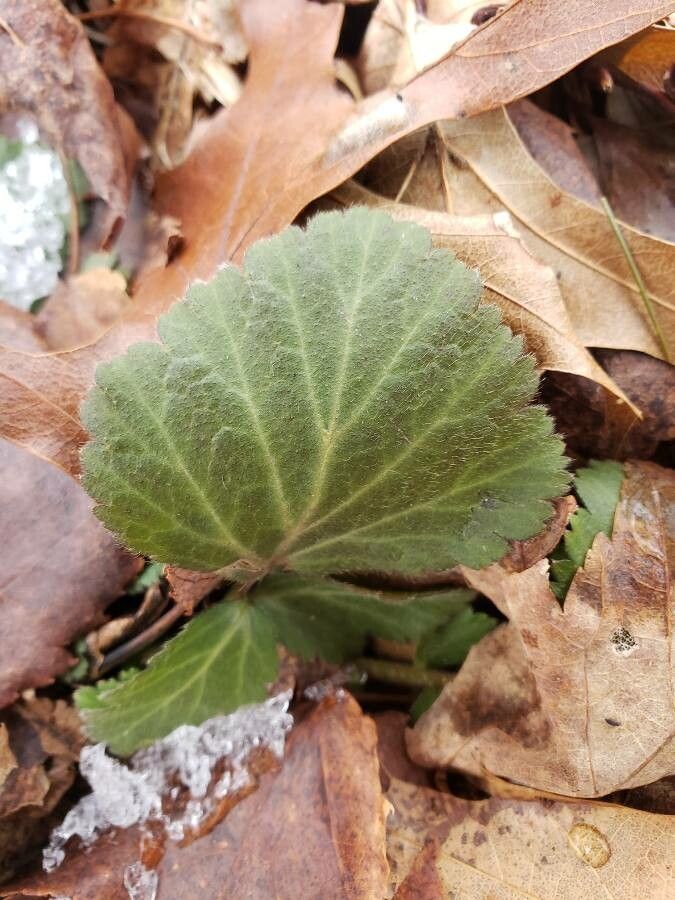
Oh, Geum virginianum! If you’re looking for a plant that brings cheerful, delicate blooms to your garden and is a real joy to multiply, you’ve found a winner. Often overlooked, this native beauty offers lovely, pale nodding flowers that dance in the breeze. And the best part? Propagating it is a wonderfully rewarding endeavor, and I think you’ll find it’s quite approachable, even if you’re just starting out with plant babies.
The Best Time to Start
For the absolute highest success rate with Geum virginianum, I find early spring, just as new growth is really getting going, is your golden ticket. You can also have good luck with late summer, after the main flowering flush has passed. The plant is actively growing, and the cuttings or divisions tend to be robust.
Supplies You’ll Need
Here’s what I like to have on hand:
- Sharp pruning shears or a clean knife
- Pots or seed trays with drainage holes
- A good quality seed-starting mix or a blend of perlite and peat moss (about 50/50)
- Rooting hormone (optional, but can give you a nice boost)
- Watering can with a fine rose or a spray bottle
- Plastic bags or a propagation dome to create humidity
- A labels to keep track of your little ones!
Propagation Methods
I find division to be the easiest and most reliable method for Geum virginianum, especially for home gardeners.
Division
- Dig it up: In early spring, gently dig out your Geum virginianum plant. Try to get as much of the root ball as you can.
- Clean off the soil: Gently shake or rinse away excess soil so you can clearly see the root system and any new shoots.
- Divide and conquer: Look for natural divisions in the root ball. You’ll see where new shoots are emerging from older crowns. You can use your hands to gently pull apart the clumps. If it’s a bit stubborn, use a clean knife or your pruning shears to make a clean cut. Aim for divisions that have at least 3-5 healthy shoots and a good amount of roots.
- Replant: Immediately replant your divisions into their new spots in the garden or into pots filled with your chosen soil mix. Make sure the crown (where the shoots emerge from the roots) is just at the soil surface.
- Water them in: Water thoroughly to settle the soil around the roots.
While division is my go-to, you can also try stem cuttings, though they can be a bit more finicky.
Stem Cuttings (a bit more advanced)
- Take cuttings: In late spring or early summer, select healthy, non-flowering stems. Using your sharp shears, cut a piece about 4-6 inches long, making the cut just below a leaf node.
- Prepare the cutting: Remove the lower leaves, leaving only the top few. If you’re using rooting hormone, dip the cut end into it now.
- Plant the cuttings: Fill small pots with your seed-starting mix. Make a small hole for each cutting and insert it, ensuring the nodes where leaves were removed are below the soil surface.
- Create a humid environment: Water the soil gently, then cover the pots with a plastic bag or a propagation dome. This is crucial for preventing the cuttings from drying out.
- Provide warmth: Place the pots in a warm spot, but avoid direct sunlight. If you have a heat mat, placing the pots on it can significantly speed up root development.
The “Secret Sauce” (Pro Tips)
- When dividing, don’t be afraid to get your hands dirty. Inspect the root structure closely – healthy roots are usually firm and light-colored. Mushy or dark roots are a sign of trouble.
- For both divisions and cuttings, don’t overwater. You want the soil to be consistently moist, but not soggy. Soggy soil is a quick ticket to rot!
- If you’re using the bagging method for cuttings, open the bag for a few minutes each day to allow for air circulation. This helps prevent fungal issues.
Aftercare & Troubleshooting
Once your divisions are planted or you see signs of new growth on your cuttings (a good sign roots are forming!), continue to keep the soil consistently moist. Gradually introduce them to brighter light if they’ve been in a shadier spot.
The most common issue you might encounter is rot. This usually happens from too much moisture and poor air circulation. If you see a stem turning soft and mushy, or a cutting wilting dramatically despite moist soil, it’s often rot. Sadly, there’s not much you can do once it takes hold. It’s best to discard infected material and try to identify what went wrong – perhaps your soil mix was too heavy, or you were watering too much.
A Encouraging Closing
Seeing a new Geum virginianum sprout and thrive from your efforts is one of the most satisfying feelings a gardener can have. Be patient with your new plant babies, give them a bit of love and attention, and enjoy the process of multiplying these garden charmers. Happy planting!
Resource:
https://identify.plantnet.org/k-world-flora/species/Geum%20virginianum%20L./data