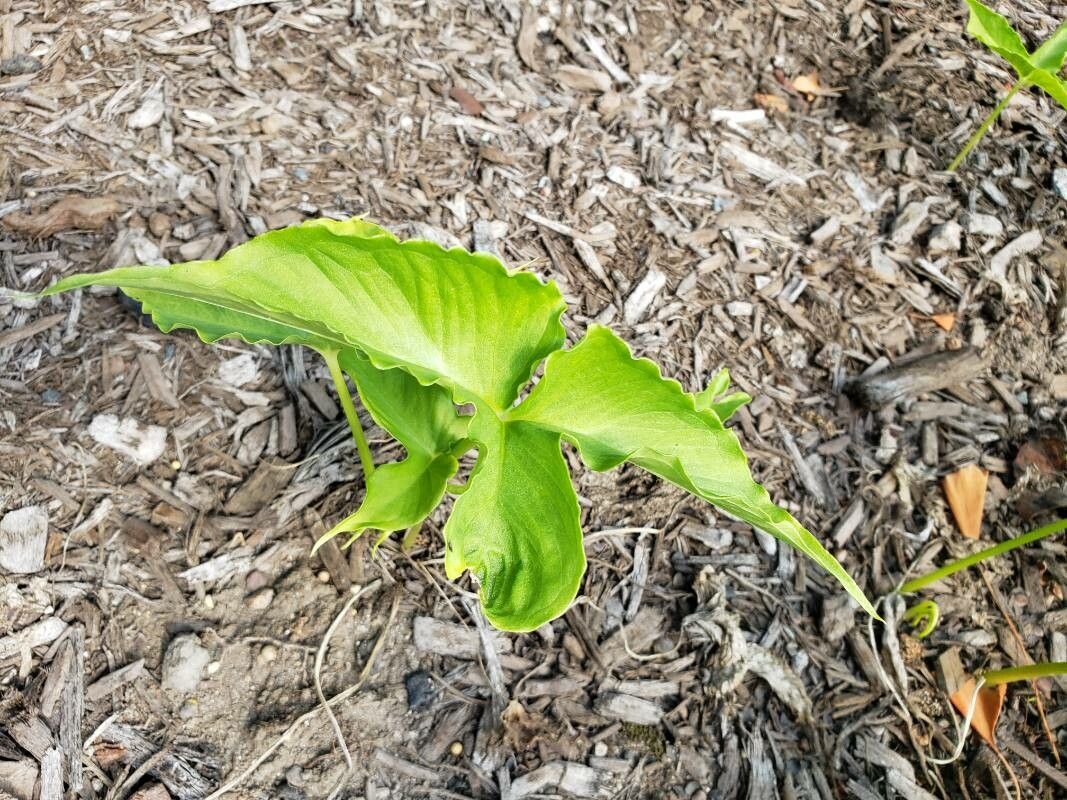
Oh, I’m so glad you’re interested in propagating Pinellia tripartita! I find it such a satisfying plant to work with. Its delicate, almost architectural leaves are a real statement in a shady corner, and the reward of watching a tiny new plant unfurl is truly special. Now, if you’re a complete beginner, I’d say Pinellia tripartita sits somewhere in the middle – not as straightforward as a pothos but definitely achievable with a little care and attention. Don’t let that deter you; we’ll walk through it together!
The Best Time to Start
For the highest success rate with Pinellia tripartita, your best bet is to propagate in late spring or early summer. This is when the plant is actively growing and has plenty of energy to put into developing new roots. You can often tell it’s ready when you see new shoots emerging from the rhizomes or notice the plant looking plump and vigorous.
Supplies You’ll Need
Here’s what you’ll want to have on hand before you dive in:
- Sharp, clean pruning shears or a knife. Sterilize them with rubbing alcohol to prevent disease.
- Well-draining potting mix. I like to use a blend of equal parts peat moss, perlite, and a bit of good quality compost.
- Small pots or seedling trays. Whatever you have will work, as long as they have drainage holes.
- Rooting hormone (optional but recommended). This can give your cuttings an extra boost. Look for a powder or gel.
- A spray bottle filled with water. For keeping things humid.
- Clear plastic bags or a propagator lid. To create a mini greenhouse effect.
- A tray or saucer. To catch excess water.
Propagation Methods
The most effective way I’ve found to propagate Pinellia tripartita is by dividing its rhizomes. These chunky, underground stems are like nature’s own starter kits!
- Gently unpot your parent plant. Tip it out of its pot and carefully shake off as much of the old soil as you can without damaging the roots. This will allow you to see the rhizomes clearly.
- Locate the rhizomes. You’ll be looking for those thick, finger-like growths. They should have clearly visible growing points or little buds on them.
- Carefully divide the rhizomes. Using your clean shears or knife, cut the rhizome into sections. The key here is to make sure each section has at least one or two healthy growing points. If a rhizome is nicely branched, you can often get several new plants from one. Don’t worry if there are a few roots attached to each piece; that’s a bonus!
- Pot up your new divisions. Fill your small pots with your well-draining potting mix. Make a little indentation in the soil and place your rhizome division in, ensuring the growing point is facing upwards. Cover it gently with soil, leaving the growing point just peeking out or barely covered.
- Water lightly. Give the soil a gentle watering. You want it to be moist but not waterlogged.
- Create a humid environment. Place the pots in trays and cover them loosely with a clear plastic bag, or pop on a propagator lid. This traps in humidity, which is crucial for new rhizomes to establish.
The “Secret Sauce” (Pro Tips)
Here are a couple of things I’ve learned over the years that make a real difference:
- Don’t be afraid to be a little ruthless with division. If a rhizome feels weak or is diseased, it’s better to discard it than risk it affecting your healthy divisions or the parent plant. Healthy rhizomes should feel firm and plump.
- Consider a touch of bottom heat. Pinellia tripartita really appreciates a little warmth. If you have a seedling heat mat, popping your pots on that can significantly speed up root development and is fantastic for encouraging those dormant buds to wake up.
Aftercare & Troubleshooting
Once your divisions are potted, place them in a bright spot with indirect light. Avoid direct sun, as this can scorch delicate new growth. Keep the soil consistently moist but not soggy. You can check by gently pressing your finger into the soil; it should feel cool and slightly damp.
You can also lightly mist the leaves every few days if you’re not using a cover, but be careful not to let water sit in the crown of the plant for too long.
The biggest issue you might encounter is rot. If you see your division turning mushy or developing black spots, it’s usually a sign of too much moisture or poor drainage. In this case, you might need to gently clean off the rotting part with sterile shears and repot in fresh, dry soil. If it’s too far gone, sadly, it’s time to let it go. But don’t get discouraged! More often than not, they’ll surprise you with new growth.
A Little Patience Goes a Long Way
Propagating Pinellia tripartita is a journey, not a race. You might not see much happening for a few weeks, and that’s perfectly normal. Trust the process, give them consistent care, and before you know it, you’ll have little green shoots popping up, ready to become a part of your garden. Enjoy watching them grow – it’s one of life’s simple, green pleasures!
Resource:
https://identify.plantnet.org/k-world-flora/species/Pinellia%20tripartita%20(Blume)%20Schott/data