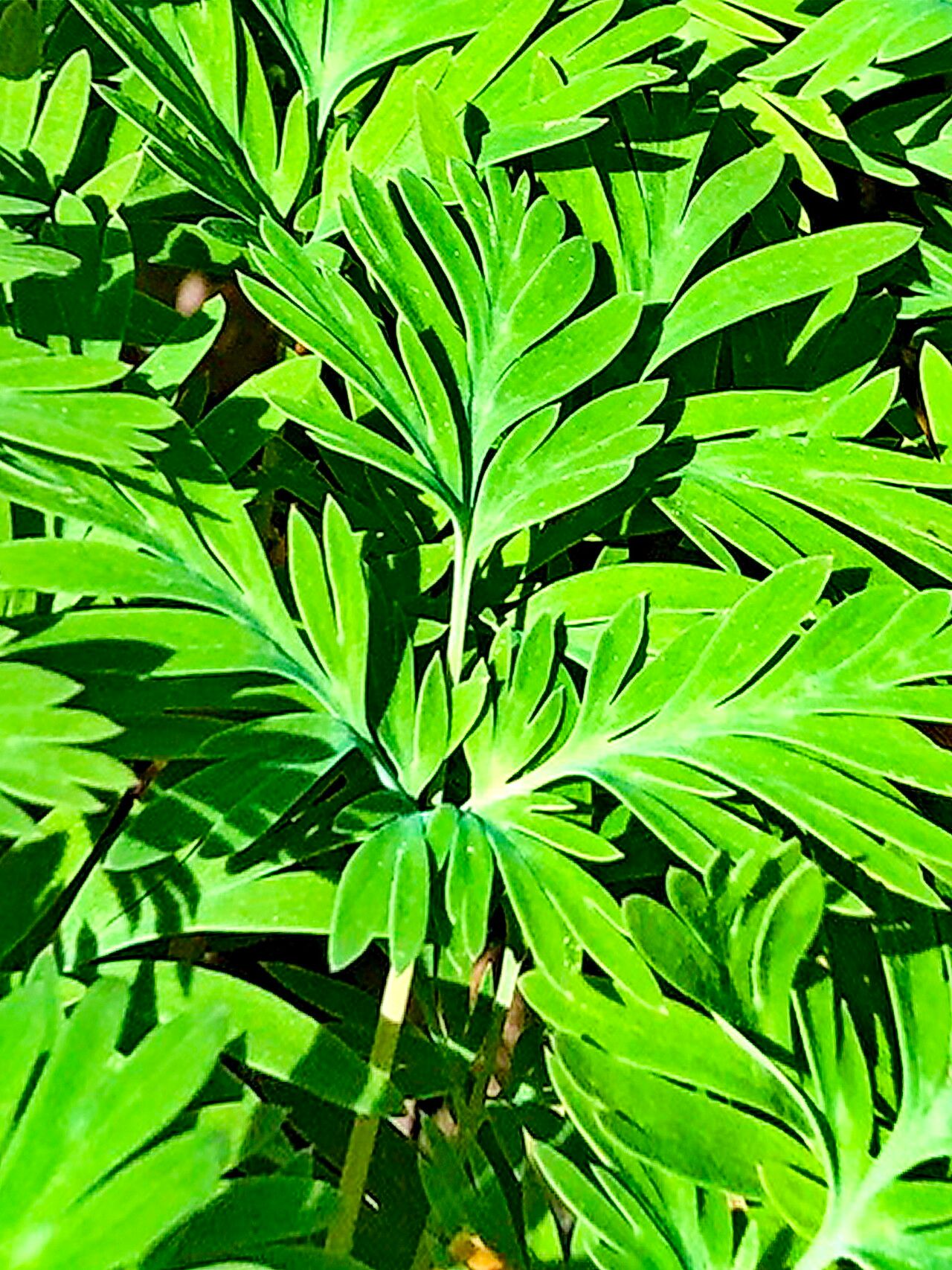
From One Bloom to a Whole Patch: Growing More of Our Beloved Squirrel Corn
Oh, Dicentra canadensis, or our charming Squirrel Corn! There’s something so special about these delicate, nodding white flowers carpeting the woodland floor in spring. They have this ethereal beauty that just makes you want more of it. And you know what? Propagating them is a wonderfully rewarding journey. While they might seem a touch shy at first, with a little know-how, you can absolutely coax them into spreading their magic around your garden. It’s not the easiest plant for absolute beginners, but it’s definitely achievable for anyone willing to offer a bit of patient attention.
When to Get Your Hands Dirty
The absolute sweet spot for propagating Squirrel Corn is right after the plant has finished flowering and its foliage starts to naturally die back. This is usually in late spring to early summer. At this point, the plant is storing energy in its roots, and it’s ready to transition into its dormant phase. Trying to propagate too early, when it’s still putting all its energy into blooming, can be a struggle. Pushing it too late, when it’s fully dormant, might mean it’s harder to get things established before the real heat of summer sets in.
What You’ll Need to Get Started
Gathering your supplies makes the whole process smoother. Here’s what I usually have on hand:
- Clean, sharp pruning shears or a small knife: For making clean cuts.
- A well-draining potting mix: I swear by a blend of equal parts peat moss, perlite, and good quality potting soil. This ensures no soggy feet!
- Small pots or trays: Make sure they have drainage holes.
- Rooting hormone (optional but helpful): Especially for stem cuttings. A powder or liquid works fine.
- A watering can with a fine rose: To water gently without disturbing things.
- Labels and a permanent marker: To keep track of what you’ve done!
Spreading the Charm: Propagation Methods
Squirrel Corn is best propagated through division. It’s the most reliable way for us home gardeners to get new plants.
Division: The Tried and True Method
- Wait for the cue: As I mentioned, wait until the foliage has yellowed and begun to die back. This is your signal.
- Gently excavate: Carefully dig up the clump of Squirrel Corn. I like to do this with a trowel or even just my hands, trying to disturb the roots as little as possible. You want to lift the entire root ball.
- Inspect and separate: Gently shake off some of the excess soil so you can see the root structure. You’re looking for natural divisions. You’ll see fleshy, tuber-like roots. Gently tease these apart with your fingers or use your clean knife if the clumps are tough. Aim for divisions that have at least one healthy-looking bud or growth point.
- Replant immediately: It’s crucial to replant your divisions as soon as you’ve made them. Don’t let those fleshy roots dry out.
- Planting depth: Plant the divisions about 2-3 inches deep in your prepared, well-draining soil. Make sure the buds are pointing upwards.
- Water it in: Give them a good, gentle watering to settle the soil.
My “Secret Sauce” for Success
Here are a few little tricks I’ve picked up over the years that often make a difference:
- Think “cool feet”: Squirrel Corn absolutely loves cool, moist conditions for its roots. Even after division, try to plant them where they’ll get some shade during the hottest part of the day, especially while they’re establishing.
- Mulch magic: Once planted, a nice layer of organic mulch (like shredded leaves or compost) over the top is pure gold. It helps keep the soil consistently moist and a touch cooler, mimicking their woodland home.
- Be patient with dormancy: After dividing, don’t be surprised if you don’t see much happening for a while. They might appear to “disappear” for the rest of the summer as they settle in. This is normal!
Aftercare and What to Watch For
Once your divisions are snugly in their new homes, your main job is to keep them consistently moist, but not waterlogged. Think of a damp sponge.
The biggest thing to watch out for is rot. If you see stems turning mushy or yellowing unnaturally after they should be settling in, it’s a sign of too much moisture. In this case, you might need to improve drainage around the area or even carefully lift and replant in a slightly drier spot with more perlite in the mix.
If you notice any wilting that doesn’t seem related to normal spring die-back, it could be a sign the roots haven’t established yet. Just keep the soil evenly moist.
Happy Growing!
Propagating Squirrel Corn is a delightful way to share this woodland gem. It’s a process that asks for a little patience, a little observation, and a lot of gentle care. Embrace the journey, celebrate each new sprout, and soon you’ll have patches of these lovely pendulous flowers gracing more corners of your garden. Happy planting!
Resource:
https://identify.plantnet.org/k-world-flora/species/Dicentra%20canadensis%20(Goldie)%20Walp./data