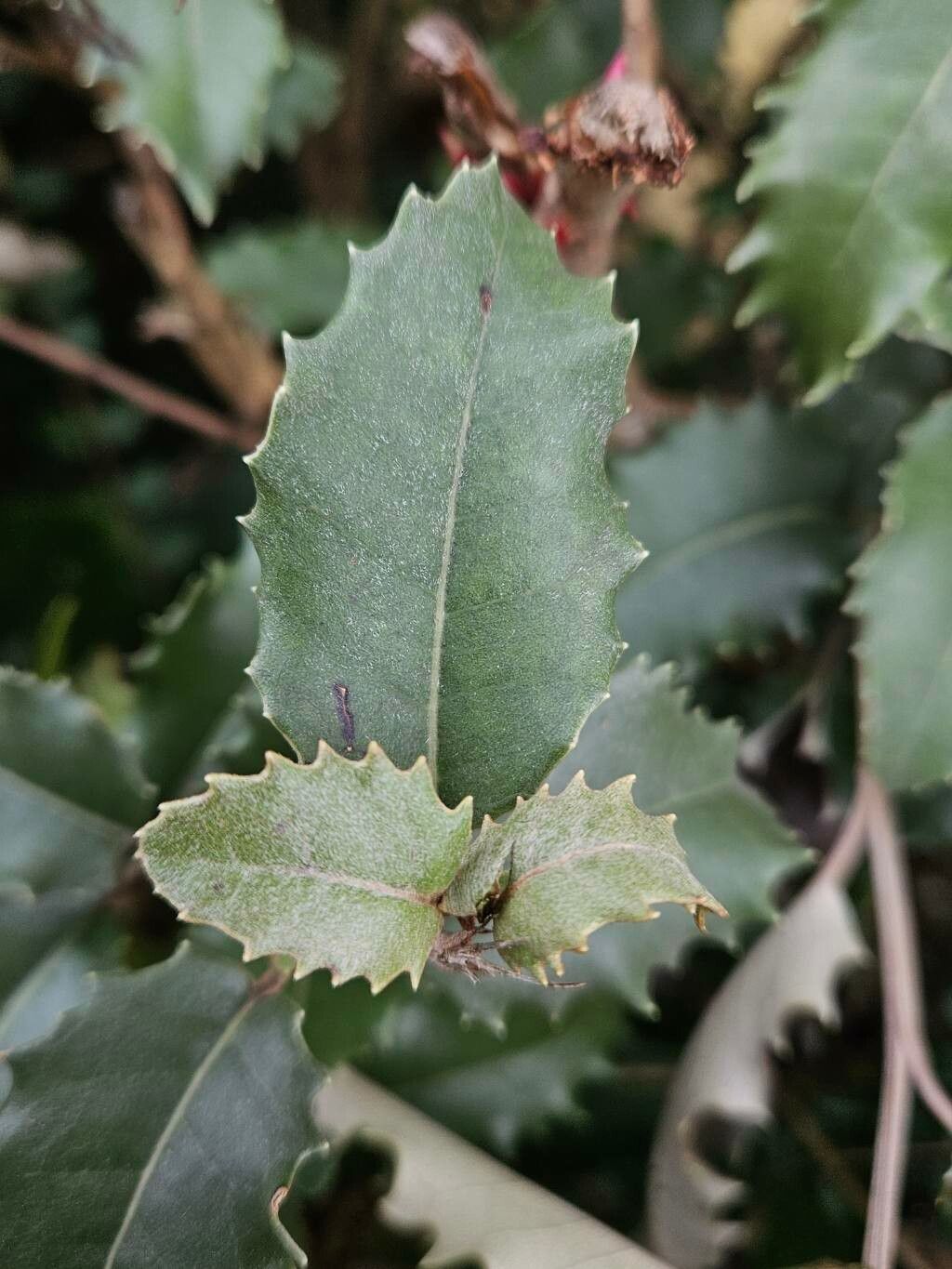
Well hello there, fellow garden enthusiast! I’m so excited to chat with you today about a plant I absolutely adore: Olearia macrodonta, often called the ‘New Zealand Daisy Bush’. If you’re looking for a coastal-loving shrub that offers masses of gorgeous, daisy-like white flowers with lovely yellow centers, this is your gal. They have this wonderful fragrant scent and attract all sorts of beneficial pollinators.
Getting your own Olearia macrodonta from a plant you already have or a cutting from a friend? Oh, it’s incredibly satisfying. You get to multiply the beauty, share the love, and save a bit of money too! For beginners, I’d say propagating this one is moderately easy – with a little patience and the right technique, you’ll be celebrating success in no time.
The Best Time to Start
My top tip for success with Olearia macrodonta cuttings is to take them in late spring or early summer. You’re looking for soft, new growth that’s just beginning to harden off. This means the stems are flexible enough to root but have a bit of substance to them. Avoid the very soft, floppy new shoots or overly woody old stems.
Supplies You’ll Need
Before we get our hands dirty, let’s gather our supplies:
- Sharp pruning shears or a clean knife: For making nice, clean cuts.
- Rooting hormone (optional but recommended): A good quality powder or gel can really give your cuttings a boost.
- Small pots or trays: With drainage holes, of course!
- Propagation mix: A light, airy blend. I like to use roughly 50% compost and 50% perlite or coarse sand. This ensures good drainage, which is crucial for preventing rot.
- Plastic bag or propagator: To create a humid environment.
- Watering can or mister: For gentle watering.
- Labels: So you don’t forget what’s what!
Propagation Methods: Stem Cuttings
This is by far the most common and effective way to propagate Olearia macrodonta. Here’s how I do it:
- Select your parent plant: Choose a healthy, vigorous Olearia macrodonta.
- Take cuttings: Using your sharp pruners, cut pieces of stem about 4-6 inches long. Make your cut just below a leaf node (where a leaf attaches to the stem). This is where rooting hormones often work best.
- Prepare the cuttings: Gently remove the lower leaves from the cutting, leaving just a few at the very top. This prevents them from rotting in the soil. If you’re using a rooting hormone, dip the cut end into the powder or gel now, tapping off any excess.
- Pot them up: Fill your small pots with your prepared propagation mix. Moisten the mix until it’s damp but not soaking wet.
- Insert the cuttings: Make a hole in the soil with your finger or a pencil, then gently place the cutting into the hole, ensuring at least one leaf node is below the surface of the soil. Firm the soil gently around the stem.
- Create humidity: Water the soil lightly again. Then, cover the pot with a clear plastic bag or place it inside a propagator. This traps moisture and keeps the cuttings from drying out. You can support the bag with stakes so it doesn’t touch the leaves.
- Place in a bright spot: Find a location that gets bright, indirect light. Avoid direct sun, which can scorch the cuttings.
The “Secret Sauce” (Pro Tips)
- Don’t overcrowd your cuttings. Give each one a little breathing room. This helps with air circulation and reduces the risk of fungal diseases.
- Bottom heat is your friend! If you have a heated propagator mat, place your pots on it. A bit of gentle warmth from below encourages root development and significantly speeds up the process. You’ll often see roots forming much faster.
- Periodically peek! Lift the plastic bag every few days to air them out. This prevents excessive condensation and helps prevent rot.
Aftercare & Troubleshooting
Once your cuttings have started to root – you can usually tell by a slight resistance when you gently tug on them or by seeing new leaf growth – it’s time to transition them. Gradually remove the plastic cover over a week or so to let them acclimatize to normal humidity. Keep the soil consistently lightly moist.
What if things go wrong? The most common culprit is rot. If you see your cuttings looking yellow, mushy, or blackening at the base, it’s usually a sign of too much moisture and not enough air circulation. Sadly, these are often lost causes, but don’t be discouraged! It means the conditions weren’t quite right, and you can learn from it for next time. Ensure excellent drainage and don’t overwater – that’s the key.
A Encouraging Closing
Propagating plants is a journey, and every gardener has their share of successes and ‘learning experiences.’ Be patient with your Olearia macrodonta cuttings. Give them time, create the right conditions, and celebrate each tiny bit of progress. Before you know it, you’ll have a whole cluster of these beautiful daisy bushes to enjoy. Happy propagating!
Resource:
https://identify.plantnet.org/k-world-flora/species/Olearia%20macrodonta%20Baker/data