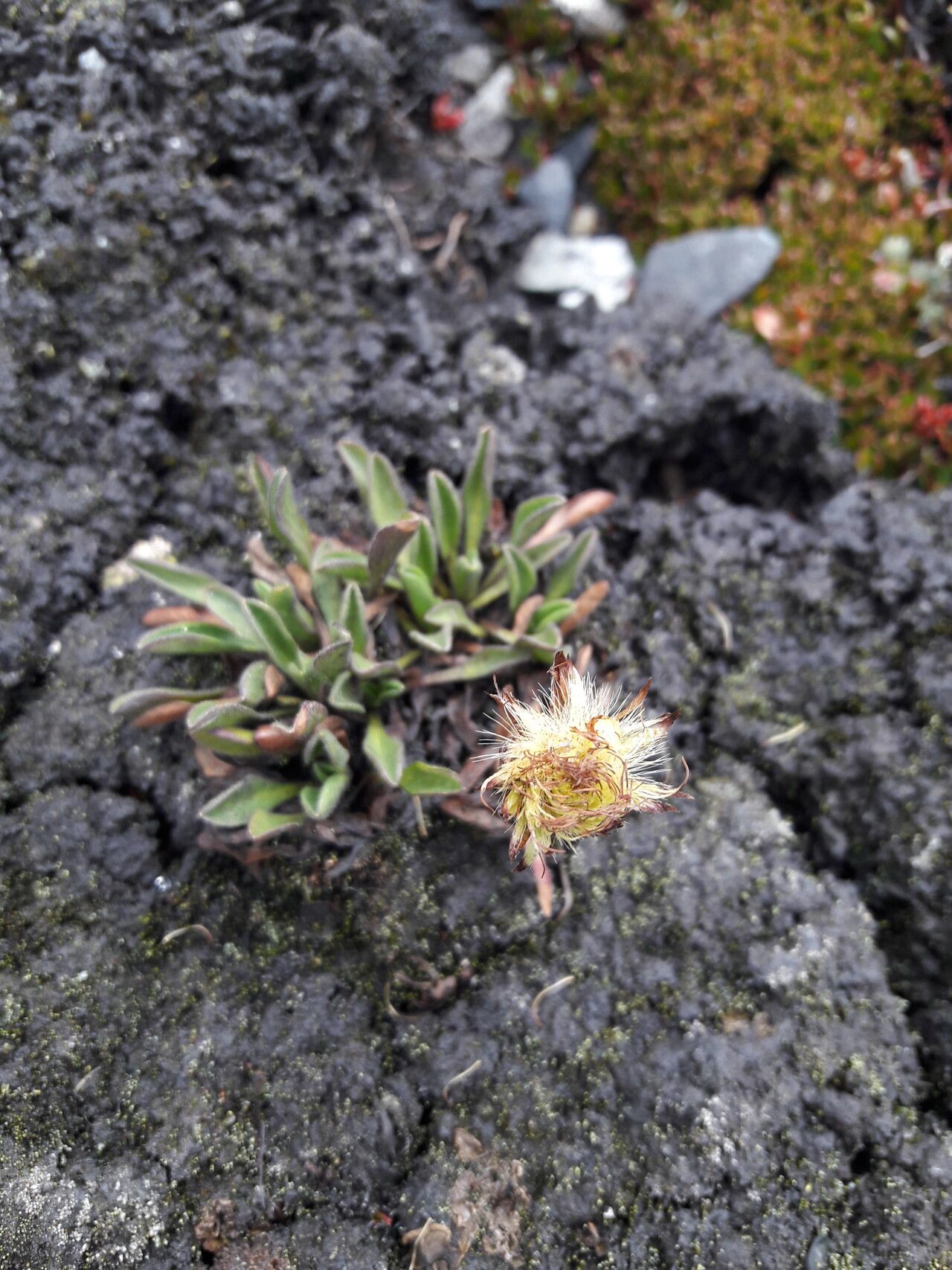
Hey there, fellow plant enthusiasts!
There’s something genuinely special about Erigeron chionophilus, isn’t there? Those delicate, daisy-like flowers, often kissed with a soft pink or white, just bring a smile to my face, especially peeking out from rocky slopes or garden edges. They have this effortless charm that makes them a favorite for so many of us. And the joy of bringing more of these beauties into our lives through propagation? It’s incredibly rewarding. Don’t worry, if you’re just dipping your toes into the world of plant propagation, Erigeron chionophilus is a wonderfully accessible plant to start with. You’ll be surprised at how cooperative it can be!
The Best Time to Start
For Erigeron chionophilus, I’ve found the sweet spot for propagation is typically in late spring or early summer. This is when the plant is actively growing and has plenty of fresh, young shoots that are ideal for taking cuttings. You can also have success with division in the fall, after flowering has finished, but for those eager to get new plants going, the spring is your best bet.
Supplies You’ll Need
Alright, let’s gather our tools. You don’t need a whole fancy arsenal, just a few essentials:
- Sharp pruning shears or a clean knife: For making clean cuts.
- A well-draining potting mix: I like a blend of peat moss, perlite, and a bit of sand for cuttings. For division, a good quality, all-purpose potting soil works beautifully.
- Small pots or seed trays: Clean, of course!
- Rooting hormone (optional but recommended): A powder or gel will help encourage root development.
- A watering can with a fine rose: For gentle watering.
- Plastic bags or a propagation dome: To create a humid environment.
- Labels and a marker: To keep track of your precious new plants!
- For division: A garden fork or trowel.
Propagation Methods
Erigeron chionophilus is quite versatile, and I’ve had great success with two main methods: stem cuttings and division.
Method 1: Stem Cuttings (My Go-To for More Plants!)
This is a fantastic way to clone your favorite plants and get a whole bunch of new Erigeron chionophilus.
- Take Your Cuttings: In late spring or early summer, select some healthy, non-flowering stems. Look for shoots that are about 4-6 inches long. Using your clean shears, make a cut just below a leaf node (that’s where a leaf joins the stem).
- Prepare the Cuttings: Gently remove the lower leaves from the bottom half of the stem. This prevents them from rotting once planted. You can leave the top couple of leaves on; they’ll help the cutting photosynthesize a bit.
- Apply Rooting Hormone (Optional): Dip the cut end of the stem into your rooting hormone, tapping off any excess.
- Pot Them Up: Fill your small pots with the well-draining potting mix. Make a small hole in the center of the soil with your finger or a pencil. Insert the cut end of the stem into the hole, making sure the leaf nodes where you removed the leaves are covered by soil. Gently firm the soil around the stem.
- Create Humidity: Water the soil gently. Then, cover the pots with a plastic bag or place them under a propagation dome. Make sure the leaves don’t touch the sides of the bag too much.
- Provide the Right Environment: Place the pots in a bright location, but out of direct sun. A warm spot is best.
Method 2: Division (Great for Revitalizing Older Plants)
This method is perfect for older, clump-forming Erigeron or when you simply want to give your existing plant a boost.
- Dig Up the Plant: In the fall, after flowering, carefully dig up the entire plant using a garden fork or trowel. Try to get as much of the root ball as possible.
- Clean the Roots: Gently shake off excess soil. You can rinse the roots with water if they are very muddy.
- Locate Division Points: Look for natural breaks in the root ball. You can usually see where sections have grown out from the center.
- Divide the Plant: Using your hands, a trowel, or even a sharp spade for tougher clumps, gently pull or cut the plant apart into smaller sections. Each division should have a healthy root system and at least a few shoots.
- Replant: Replant the divisions in their new locations or in pots with fresh potting soil. Water them thoroughly.
The “Secret Sauce” (Pro Tips)
Here are a few tricks I’ve picked up over the years that really make a difference:
- Cleanliness is Key: Always use clean pots, clean tools, and fresh potting mix. This is your first line of defense against diseases that can ruin all your hard work.
- Bottom Heat Works Wonders: If you’re serious about cuttings, investing in a heating mat can significantly speed up root formation. Erigeron chionophilus appreciates a bit of warmth from below, especially in cooler conditions.
- Don’t Overwater Cuttings: This is probably the most common mistake. Keep the soil moist but not soggy. Too much water can lead to rot before roots even have a chance to form. The humidity from the plastic bag helps here, but monitor the soil moisture.
Aftercare & Troubleshooting
Once your cuttings have started to root – you’ll know when you see new leaf growth or they feel firm when you give them a gentle tug – it’s time to adjust their care.
Gradually acclimate your new plants to normal air by removing the plastic bag for increasingly longer periods over a week or so. Continue to water them as needed, checking the soil moisture regularly. If you’ve divided plants, water them well and keep an eye on them; they might look a little shocked for a few days, but they should perk up.
What about problems? The biggest culprit is rot. You might see stems turning mushy and black, or leaves wilting despite moist soil. This is almost always due to overwatering or poor drainage. In this case, sadly, the cutting has likely gone too far. Your best bet is to remove any affected material immediately and make sure your watering and drainage are spot on for the remaining cuttings.
A Encouraging Closing
Propagating Erigeron chionophilus is a journey, and like any garden endeavor, it’s about patience and learning. Don’t be discouraged if not every cutting takes. Each attempt is a chance to understand your plants better. Enjoy the process, celebrate your successes, and soon you’ll have a whole garden full of these delightful blooms! Happy planting!
Resource:
https://identify.plantnet.org/k-world-flora/species/Erigeron%20chionophilus%20Wedd./data