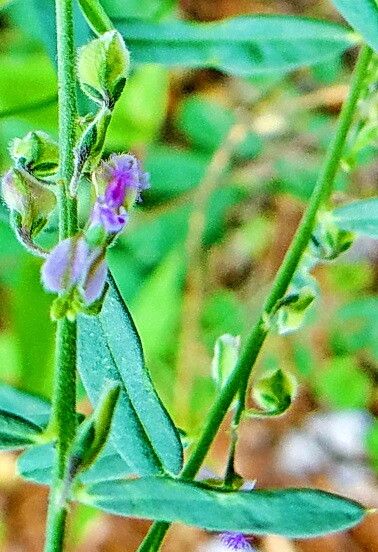
Hello fellow garden enthusiasts! Today, we’re diving into the wonderful world of propagating Polygala erioptera. You know, that lovely little shrub with its delicate pea-like flowers and charming habit? It’s a real gem, adding such a touch of wispy elegance to any garden. And the best part? Bringing a new one to life from an existing plant is incredibly satisfying. It lets you share the beauty, fill out your own beds, or even gift a bit of green goodness to friends. Now, between you and me, while Polygala erioptera isn’t exactly a walk in the park for absolute beginners, it’s certainly achievable with a little patience and the right approach. I promise, the reward is well worth the effort!
The Best Time to Start
For the highest chance of success with Polygala erioptera, I always recommend aiming for late spring to early summer. This is when the plant is actively growing after its main bloom period. You’re looking for stems that are semi-hardwood. This means they’re not brand new, flimsy growth, but also not tough and woody. Think of a green stem that’s just starting to feel a bit firm when you gently bend it. Trying to propagate too early in the season, when the stems are still too soft, or too late when they’ve become truly woody, can make rooting much more difficult.
Supplies You’ll Need
Gathering your supplies before you start will make the whole process smoother. Here’s what I keep on hand:
- Sharp pruning shears or a clean, sharp knife: Crucial for making clean cuts.
- Rooting hormone (powder or gel): This is your little boost for root development.
- Well-draining potting mix: A blend of equal parts perlite, peat moss, and a bit of coarse sand works wonders. You can also find good commercial mixes designed for cuttings.
- Small pots or seed trays: Clean ones are a must to prevent disease.
- Plastic bags or a propagation dome: To create a humid environment.
- Watering can with a fine rose: For gentle watering.
- Labels or plant markers: Essential for keeping track of what you’ve planted!
Propagation Methods
While Polygala erioptera can sometimes be coaxed to root from seed (though it can be slow and less predictable), my go-to method, and the one I find most reliable, is stem cuttings.
Here’s how I do it:
- Take Your Cuttings: First, select healthy stems from your vigorous parent plant. You’re looking for pieces that are about 4-6 inches long. Using your sharp shears or knife, make a clean cut just below a leaf node (that’s where a leaf attaches to the stem).
- Prepare the Cuttings: Gently remove the lower leaves from your cuttings. You want to leave just a few leaves at the top to help with photosynthesis. If the remaining leaves are quite large, I’ll sometimes snip them in half to reduce water loss.
- Apply Rooting Hormone: Dip the bottom inch of each cutting into your rooting hormone, tapping off any excess.
- Pot Them Up: Fill your clean pots or trays with your well-draining potting mix. Moisten the mix thoroughly. Then, using a pencil or your finger, make a good-sized hole in the soil for each cutting. Carefully insert the prepared cuttings into the holes, ensuring the hormone-dipped end is well-covered. Firm the soil gently around the base of each cutting.
- Create Humidity: Water the soil gently from above. Then, cover the pots loosely with a plastic bag, propped up with a stick or two so it doesn’t touch the leaves, or place them under a propagation dome. This creates that essential humid microclimate.
- Find the Right Spot: Place your potted cuttings in a bright location, but out of direct sunlight. A greenhouse, a bright windowsill, or even just a sheltered spot on a patio can work.
The “Secret Sauce” (Pro Tips)
Here are a few little tricks I’ve picked up over the years that really seem to make a difference:
- The “Slap Test”: When you’re ready to pot your cuttings, after dipping them in rooting hormone, give the cut end a gentle “slap” against the rim of the rooting hormone container or your hand. This helps to ensure good contact between the hormone and the stem, giving the roots the best possible start.
- Bottom Heat is Your Friend: If you have the setup, providing a little gentle warmth from below can significantly speed up root formation. A heated propagator or even placing your pots on a heating mat (on a low setting) can be a game-changer, especially if your house is on the cooler side.
- Don’t Rush the Move: Patience is key here. I typically wait 4-6 weeks, sometimes even longer, before I even think about gently tugging on a cutting to check for resistance. You want to see good root development before you disturb them for transplanting.
Aftercare & Troubleshooting
Once you start to see signs of new growth – tiny leaves unfurling at the top – it’s a good indication that roots are forming! You can also try a very gentle tug; if there’s resistance, you’ve got roots.
- Gradually Acclimate: Once roots are established, start slowly acclimating your new Polygala to drier air. This means gradually opening the plastic bag or propagation dome a little more each day over a week or so.
- Watering: Keep the potting mix consistently moist but never waterlogged. Overwatering is one of the quickest ways to invite trouble.
- Transplanting: When they’re big enough to handle and have a decent root system, you can transplant them into individual pots. Use the same well-draining mix.
Now, if things aren’t going as planned, don’t despair! The most common culprit is rot, which is usually caused by too much moisture and poor air circulation. If you see stems turning mushy or black, it’s likely rot. Sadly, these cuttings are usually a lost cause, but it’s a valuable lesson for next time. Ensure your soil drains well, don’t overwater, and make sure that plastic bag isn’t suffocating your cuttings.
A Little Encouragement to Keep Growing
Propagating your Polygala erioptera is a little journey, and like any gardening endeavor, it requires a bit of love and observation. Be patient with the process, celebrate the small wins, and don’t be too disheartened if not every cutting takes. Each attempt teaches you something new. So grab your shears, get your hands in the soil, and enjoy the wonderful magic of bringing new life into your garden! Happy propagating!
Resource:
https://identify.plantnet.org/k-world-flora/species/Polygala%20erioptera%20DC./data