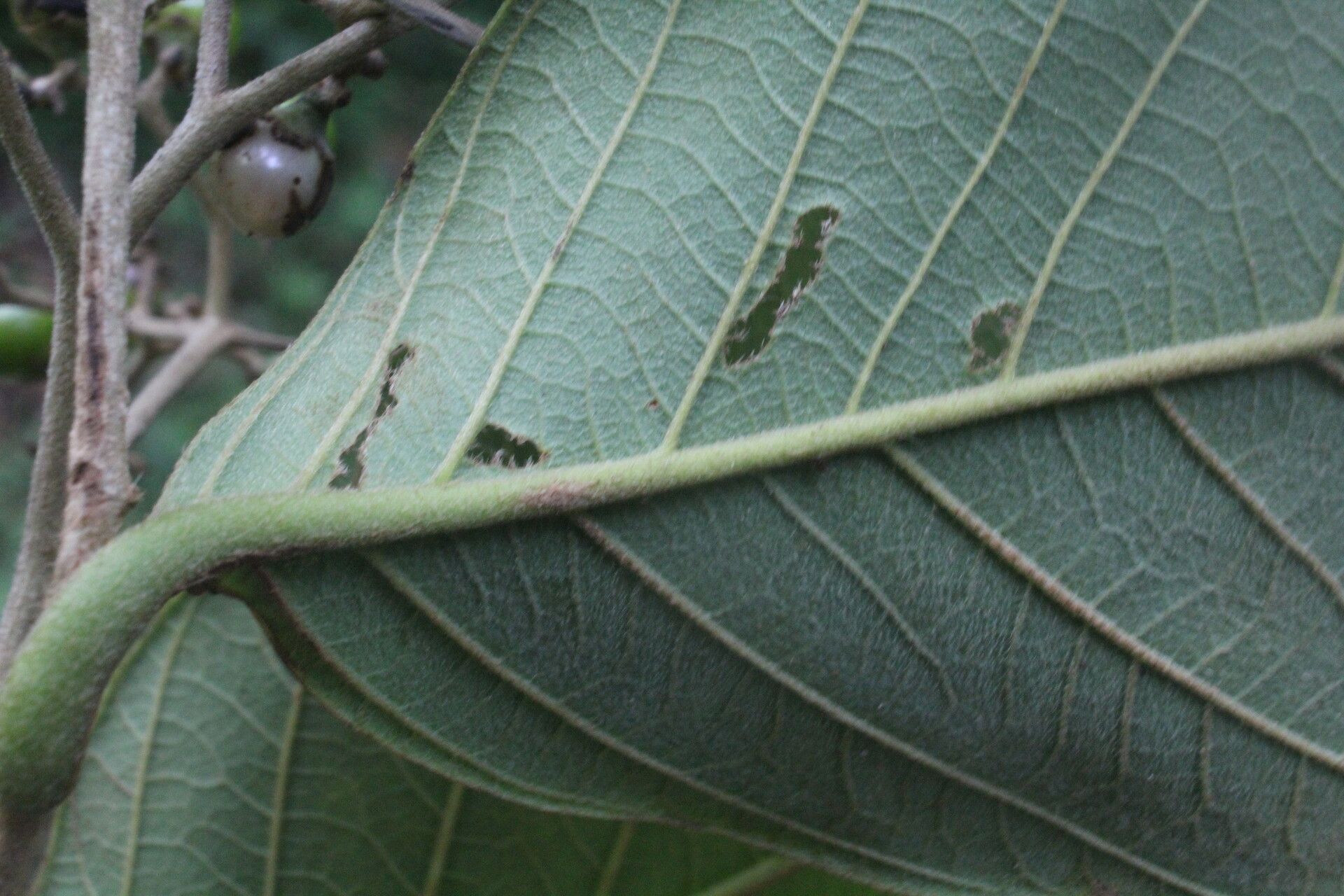
Oh, hello there! Come on in, grab a mug. Today, we’re diving into the wonderful world of propagating Cordia panamensis. I’ve always been charmed by its airy, tropical vibes and those beautiful, papery flowers that seem to unfurl just when you need a little cheer. If you’ve ever admired this gem in my garden, or seen one and thought, “I’d love to have one of those!” then you’re in the right place. Propagating it is a truly rewarding experience, like nurturing a little piece of paradise into being. Now, for you beginners out there, I’ll be honest, Cordia panamensis can be a little finicky, but with a few key pointers, I’m confident you’ll find success.
The Best Time to Start
Timing is everything, isn’t it? For Cordia panamensis, I find the late spring to early summer is your sweet spot. This is when the plant is actively growing after its winter rest. You’ll want to take cuttings from stems that are semi-hardwood – meaning they’re not brand new, bright green shoots, but they haven’t turned fully woody and brown yet. They should be flexible but hold their shape.
Supplies You’ll Need
Gathering your tools makes the whole process smoother. Here’s what I always have on hand:
- Sharp Pruning Shears or a Clean Knife: For making clean cuts, which is crucial for preventing disease.
- Rooting Hormone: I prefer a powder or gel, it really gives those cuttings a boost.
- Well-Draining Potting Mix: A mix of perlite, vermiculite, and peat moss, or a good quality commercial seedling starter mix, works wonders. Sand can also be a good addition for extra drainage.
- Small Pots or Seedling Trays: Ensure they have drainage holes!
- Plastic Bags or a Clear Propagation Dome: To create a humid environment.
- Water: For misting and watering.
- Optional: Bottom Heat Mat: This can significantly speed up root development.
Propagation Methods
We’ll focus on the method that usually yields the best results for Cordia panamensis: stem cuttings.
Step 1: Take Your Cuttings
On a warm, sunny morning, select a healthy stem. Using your clean shears, cut a section about 4-6 inches long. Make the cut just below a leaf node (where a leaf attaches to the stem). Remove the lower leaves, leaving just two or three at the very top.
Step 2: Prepare the Cutting
Dip the cut end of your stem into rooting hormone. Gently tap off any excess. This stuff really encourages those roots to form more readily.
Step 3: Plant Your Cuttings
Fill your small pots with your well-draining potting mix. Moisten the mix slightly. Now, carefully insert the treated end of each cutting into the soil, making a small hole with your finger or a pencil first so you don’t rub off all that precious rooting hormone. Gently firm the soil around the base of the cutting.
Step 4: Create the Humid Environment
This is key for Cordia panamensis. Water the soil gently. Then, cover the pot with a plastic bag, making sure the leaves don’t touch the plastic (or use a propagation dome). You want to create a mini greenhouse effect. Place the pots in a bright spot, but out of direct, harsh sunlight.
The “Secret Sauce” (Pro Tips)
Here are a few things I’ve learned over the years that really make a difference:
- Don’t Drown Your Cuttings: While they need humidity, soggy soil is the kiss of death. Let the top inch of soil dry out slightly between waterings. A light misting of the leaves occasionally can also help keep them happy.
- Bottom Heat is Your Friend: If you have a heating mat, placing your pots on it can really speed up the rooting process. The warmth encourages root development from below.
- Patience is a Virtue (and Helps Them Root!): Don’t be tempted to tug on your cuttings too soon! It can take anywhere from 4 to 8 weeks to see new growth, which is a good sign roots are forming.
Aftercare & Troubleshooting
Once you see new leaves unfurling, that’s your cue! This means roots have formed. Now it’s time to gradually acclimate your new plant to normal humidity. Open the plastic bag a little each day for a week, until it’s fully removed. Continue to water when the top inch of soil feels dry.
The most common issue you’ll encounter is rot. If your cutting turns black and mushy, it’s likely succumbed to rot. This usually happens from overwatering or if the environment is too wet and not well-ventilated. Don’t be discouraged! Just discard the rotten cutting and try again with a fresh one, remembering to be a little more careful with watering.
A Encouraging Closing
Propagating plants is a journey of learning and a wonderful way to connect with nature. Don’t be afraid to get your hands dirty! Each attempt, even if it doesn’t lead to a new plant right away, teaches you something new. So, gather your supplies, take those cuttings, and enjoy the anticipation. Soon enough, you’ll be admiring your very own Cordia panamensis, a testament to your green thumb and a little bit of gardening magic. Happy propagating!
Resource:
https://identify.plantnet.org/k-world-flora/species/Cordia%20panamensis%20L.Riley/data