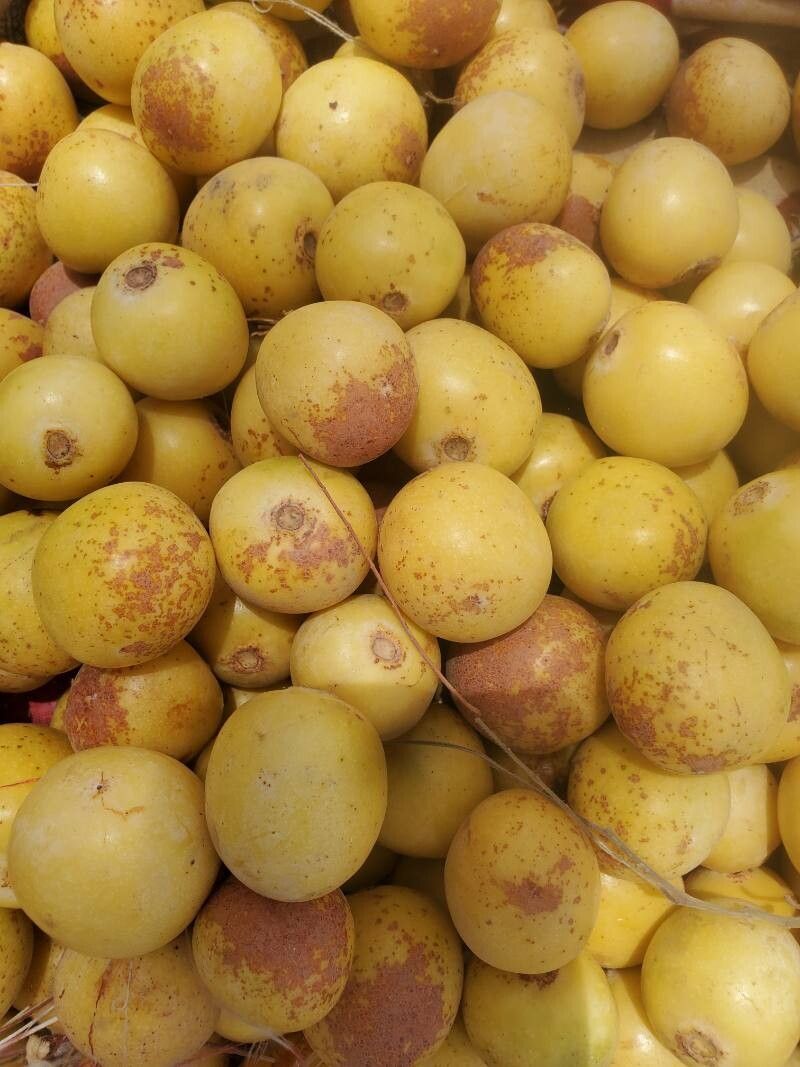
Oh, hello there! Pull up a chair, let’s chat about something truly special: Marula, or Sclerocarya birrea. I’ve been growing and advising on plants for two decades now, and Marula holds a unique spot in my heart. It’s a tree of incredible utility and beauty, native to Africa, bearing those delicious, vitamin-C-rich fruits that make for amazing jams and liqueurs (ever tried Amarula?). The idea of bringing this magnificence into more gardens through propagation is just so rewarding. Now, I’ll be honest, Marula isn’t typically the first plant a beginner might tackle. It has a bit more of a learning curve, but with a little patience and the right approach, it’s absolutely achievable, and oh-so-worth it!
The Best Time to Start
For the highest success rates with Marula, you’ll want to work during its active growing season. Think late spring or early summer. This is when the plant has ample energy to recover from taking cuttings or to establish new growth from seed. Waiting until the weather is consistently warm will give your new potential plants the best shot at thriving.
Supplies You’ll Need
Gathering your tools beforehand makes the whole process much smoother. Here’s what you’ll want to have on hand:
- Sharp, clean pruning shears or a knife: For making clean cuts. Sterilize them with rubbing alcohol to prevent disease spread.
- Rooting hormone powder or gel: This is highly recommended for Marula to encourage root development.
- Well-draining potting mix: A good blend of peat moss, perlite, and a bit of sand works wonderfully. You can also find specific succulent or cactus mixes if you prefer.
- Small pots or trays: With drainage holes, of course!
- Clear plastic bags or a humidity dome: To maintain moisture around your cuttings.
- Watering can or spray bottle: For gentle watering.
- Optional: Heated propagator mat: This can significantly speed up rooting by providing consistent bottom warmth.
Propagation Methods
Marula can be successfully propagated from stem cuttings, and while less common for home growers, seed propagation is also an option, though it can be a slower process. Let’s focus on cuttings, which I find to be the most direct route.
Stem Cuttings
This is my go-to method for Marula.
- Select Healthy Material: Choose a healthy, semi-hardwood cutting from a mature Marula plant. Look for a stem that’s firm but still has some flexibility, not too soft and green, nor old and woody. A piece about 6-8 inches long is ideal.
- Make the Cut: Using your sterilized shears, make a clean cut just below a leaf node (where a leaf attaches to the stem). This is where rooting hormones are most effective.
- Prepare the Cutting: Gently remove any leaves from the bottom two-thirds of the cutting. If the remaining leaves are very large, you can trim them in half to reduce water loss through transpiration.
- Apply Rooting Hormone: Dip the cut end of the stem into your rooting hormone powder or gel, ensuring it’s well coated. Tap off any excess.
- Plant the Cutting: Make a small hole in your prepared potting mix using a pencil or your finger. Insert the cutting into the hole, ensuring the node where you removed the leaves is buried. Gently firm the soil around the base of the cutting.
- Provide Humidity: Water the soil lightly. Then, cover the pot with a clear plastic bag (propping it up with stakes so it doesn’t touch the leaves) or place it under a humidity dome. This is crucial for keeping the cutting from drying out.
- Place in the Right Spot: Position the pot in a bright location with indirect sunlight. Avoid direct sun, which can scorch the delicate cutting.
The “Secret Sauce” (Pro Tips)
Here are a few things I’ve learned over the years that really make a difference:
- Bottom Heat is Your Friend: If you’re using a propagator mat, keep it at a consistent temperature around 70-75°F (21-24°C). This warmth stimulates root development from below, giving your cuttings a real boost.
- Don’t Let Leaves Drip: When watering, be mindful of the leaves. If leaves are constantly wet, especially when covered, they can invite fungal diseases. A light watering of the soil is usually sufficient, and you can always mist the air around the cuttings if you’re worried about dryness.
- Patience, Dear Gardener, Patience: Marula can be a bit of a slow starter. Don’t be discouraged if you don’t see roots for several weeks. I often gently tug on a cutting after about 4-6 weeks. If there’s resistance, that’s a good sign of roots forming!
Aftercare & Troubleshooting
Once your Marula cutting shows signs of new growth (tiny leaves unfurling or that gentle tug indicating roots), it’s time for a little more attentive care.
- Gradual Acclimation: Slowly reduce the humidity over a week or two. Start by opening the plastic bag for a few hours each day, then removing it entirely.
- Consistent Moisture: Keep the soil consistently moist but not waterlogged. Think of it like a wrung-out sponge. Overwatering is one of the quickest ways to lose a new cutting, leading to rot, which you’ll notice as a mushy, discolored base.
- Lightly Feed: Once you see significant new growth, you can start with a very dilute liquid fertilizer (about half strength).
- Transplanting: When the plant is robust enough and has a good root system, gently transplant it into a slightly larger pot with fresh potting mix.
If your cutting wilt, turn yellow, or shrivel, it might be a sign it didn’t root or that conditions weren’t quite right. Don’t be disheartened! See it as a learning opportunity and try again.
A Bit More Sunshine For Your Garden
Propagating Marula is a journey, and every gardener’s experience is a little different. Don’t be afraid to experiment, learn from each try, and most importantly, enjoy the process! Watching a tiny cutting transform into a thriving young plant is one of the most rewarding aspects of gardening. Happy growing!
Resource:
https://identify.plantnet.org/k-world-flora/species/Sclerocarya%20birrea%20(A.Rich.)%20Hochst./data