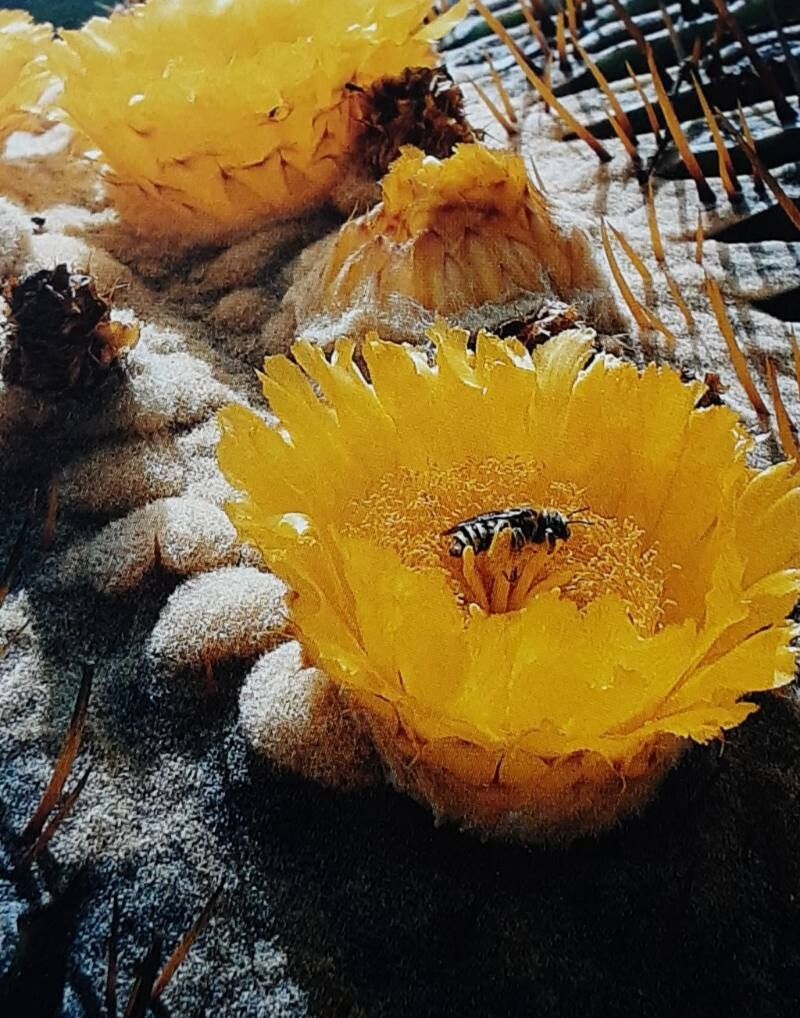
Hey fellow plant lovers! I’m so excited to chat about a true desert gem today: Echinocactus platyacanthus. You know, those magnificent, flattish, barrel-shaped cacti that just exude ancient charm? They have this wonderful way of dominating a space with their majestic presence, and their slow, steady growth feels like a tangible connection to the earth. Plus, the satisfaction of coaxing a new life from an existing one? Pure garden magic! Now, let’s be honest, propagating these beauties isn’t quite a walk in the park for absolute beginners. They’re a bit particular, so this guide will help you along the way.
The Best Time to Start
My personal favorite time to get busy with Echinocactus platyacanthus propagation is during its active growing season, which is typically late spring through summer. This is when the plant has plenty of energy stored up and is ready to put it into developing new roots or shoots. You’ll see the most robust growth and have the highest chance of success when you start then.
Supplies You’ll Need
Before we dive in, let’s gather our tools. Having everything ready will make the process so much smoother:
- Sharp, sterile pruning shears or a very sharp knife: Cleanliness is key to preventing infections.
- Drying tray or newspaper: For letting cuttings heal.
- Well-draining potting mix: A cactus or succulent mix is perfect. You can also create your own with equal parts perlite, coarse sand, and potting soil.
- Rooting hormone (optional but recommended): This really gives your cuttings a boost.
- Small pots or seed trays: For your new propagations.
- Watering can with a fine spray nozzle: Gentle watering is important.
- Gloves: Those spines can be persistent!
- Bottom heat source (optional but helpful): A seedling heat mat can speed things up a bit.
Propagation Methods
Echinocactus platyacanthus is most commonly propagated from offsets or “pups” that grow from the base of the parent plant. Fortunately, it doesn’t often produce prolific pups, making them a bit more precious.
Method: Separating Offsets (Pup Removal)
This is the most reliable way to grow this particular cactus.
- Wait for the right moment: Look for small offsets that have formed at the base of your mature Echinocactus platyacanthus. They should be at least an inch or two in diameter and ideally have a few small spines of their own.
- Gently expose the base: Carefully clear away some of the soil around the base of the offset so you can see where it connects to the mother plant.
- Make the cut: Using your sharp, sterile pruners or knife, make a clean cut as close to the parent plant as possible. Try to get a bit of root if you can, though it’s not always possible with pups. Work carefully to avoid damaging the main plant or the pup.
- Let it callus: This is a CRUCIAL step! Place the separated offset on a dry surface, like a tray or newspaper, in a warm, dry, and well-ventilated spot. Do not plant it yet. It needs to form a dry, calloused over wound where it was cut. This usually takes anywhere from a few days to a couple of weeks. You’ll see the cut end dry out and turn slightly yellowish or brownish. This prevents rot when you eventually plant it.
- Planting time: Once the cut end is completely callused and dry, it’s ready for planting. Fill your small pot with your well-draining potting mix. You can dip the callused end in rooting hormone if you’re using it.
- Bury gently: Make a small hole in the soil and gently place the callused end of the offset into it. You don’t need to bury it deeply; just enough to help it stand upright. Don’t pack the soil too tightly around it.
- Patience is key: Do not water immediately. Wait at least a week or two after planting before giving it its first light watering. This gives the plant a chance to settle in and any tiny nicks from planting to heal.
The “Secret Sauce” (Pro Tips)
- Go easy on the water, especially at first. Newly planted offsets are very susceptible to rot. Think of it as giving them a small drink when they’re terribly thirsty, not a flood. I usually wait a good two weeks after planting before the very first light watering. After that, water sparingly, allowing the soil to dry out completely between waterings.
- Consider a warm bed. If you have a heat mat designed for seedlings, placing your pots on top of it can provide gentle bottom heat. This mimics the warm desert conditions and can significantly speed up root development. Just make sure the mat isn’t too hot; you want warmth, not a bake!
- Airflow is your friend. Once planted, ensure good airflow around your young cacti. Stagnant air can encourage fungal issues. If you’re keeping them indoors, a gentle fan on a low setting can be beneficial, especially in humid environments.
Aftercare & Troubleshooting
Once your offset bravely starts to show signs of root development (you might notice it’s a little more resistant if you gently tug on it, or, if you’re lucky, you might see a tiny bit of new growth), you can start watering a bit more regularly – but still letting that soil dry out between waterings.
The biggest enemy here is rot. If you see the base of your new plant turning brown and mushy, or it starts to collapse, it’s likely rot. This is usually due to overwatering or not allowing the cutting to callus properly. If you catch it early, you might be able to cut away the rotten parts and try to let the healthy section callus and replant, but often, it’s too late. Another sign of failure is simply no new roots forming after a very extended period; this might mean the cutting wasn’t viable or conditions weren’t right.
A Encouraging Closing
Propagating Echinocactus platyacanthus is a journey that rewards patience and observation. Don’t be discouraged if your first attempt isn’t a roaring success. Each plant, each cutting, teaches you something new. Celebrate the small victories – that dry callus forming, that first tentative root! Enjoy the process of nurturing these ancient, beautiful beings. Happy gardening!
Resource: