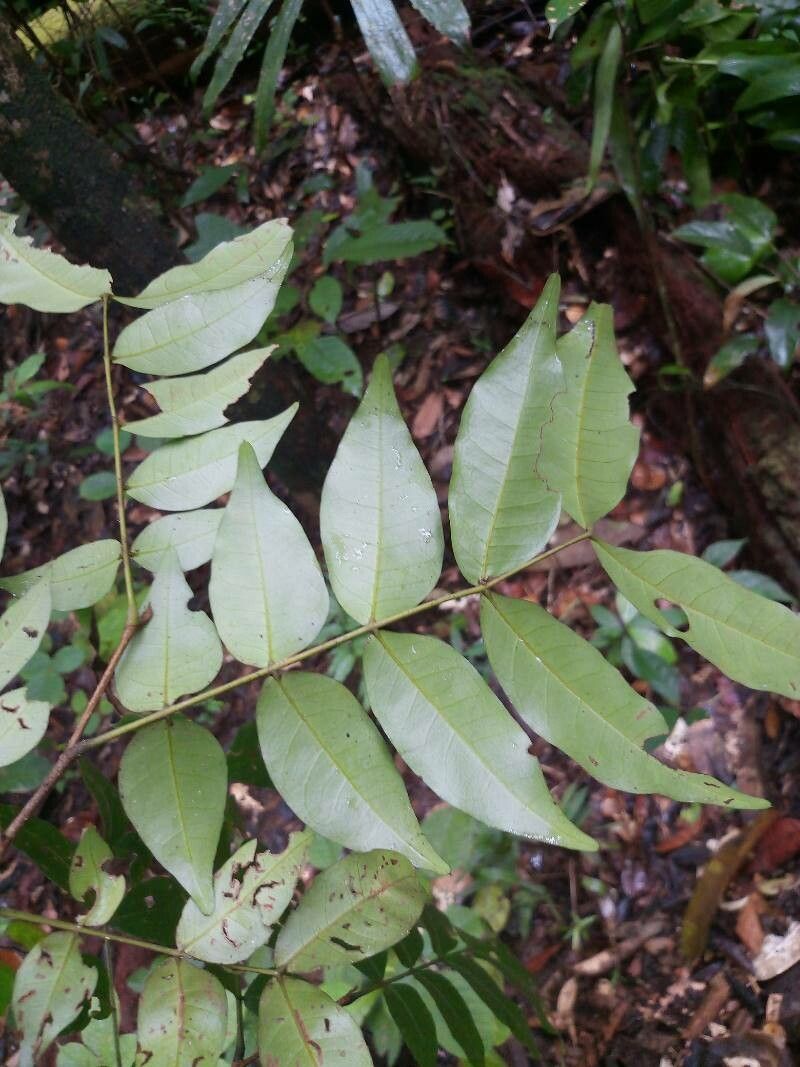
Well hello there, fellow garden enthusiasts! It’s wonderful to have you join me for a chat about one of my favorite tropical treasures: Inga gracilifolia. This little beauty, with its delicate, feathery leaves and oh-so-sweet pea-like flowers, is a real charmer. If you’ve got a love for the exotic and find joy in bringing new life into your garden, you’ll find propagating Inga gracilifolia incredibly satisfying. It’s not the absolute easiest plant for a total beginner, but with a little patience and these tried-and-true methods, you’ll be well on your way to success.
The Best Time to Start
For Inga gracilifolia, I’ve found the spring and early summer are absolutely golden for propagation. Think of it as capitalizing on that surge of new growth after the cooler months. Longer daylight hours and steadily warming temperatures really encourage those cuttings to get their roots going. You can often get away with it in late summer too, but the earlier you start, the better the plant’s chances of establishing itself before any cold snaps arrive.
Supplies You’ll Need
Here’s what I keep on hand when I’m getting ready to propagate:
- Sharp Pruning Shears or a Clean Knife: For taking clean cuts.
- Potting Mix: A well-draining mix is key. I like a blend of perlite, coco coir, and a bit of good quality compost.
- Small Pots or Seedling Trays: With drainage holes, of course!
- Clear Plastic Bags or Propagation Domes: To create a humid environment.
- Rooting Hormone (Optional but Recommended): A powder or gel can give your cuttings a helpful boost.
- Label Stakes and a Marker: Always good to know what you planted and when!
- Watering Can with a Fine Rose: For gentle watering.
Propagation Methods
While a few methods might work, my go-to for Inga gracilifolia is stem cuttings. It’s reliable and gives you a great chance of success.
Stem Cuttings:
- Select Your Cuttings: Look for healthy, vigorous stems that are semi-hardwood. This means they’re not brand-new, soft growth, but not yet old and woody. You’re aiming for stems that snap cleanly when bent, rather than just fraying. Take cuttings that are about 4-6 inches long.
- Prepare the Cuttings: Using your clean shears, remove any lower leaves. You want to strip away anything that might rot when buried in the soil. Leave just a couple of leaves at the very top. If the remaining leaves are quite large, you can even cut them in half to reduce water loss.
- Apply Rooting Hormone (If Using): Dip the cut end of the stem into the rooting hormone, tapping off any excess.
- Plant Your Cuttings: Fill your pots with your prepared potting mix. Make a hole with your finger or a pencil and insert the cut end of the stem about an inch or two deep. Gently firm the soil around it.
- Water Gently: Give your new cuttings a good, gentle soak to settle the soil.
- Create a Humid Environment: Place a clear plastic bag over the pot, securing it loosely with a rubber band. Or, use a propagation dome. Make sure the leaves aren’t touching the plastic if possible.
The “Secret Sauce” (Pro Tips)
Over the years, I’ve picked up a few tricks that make a real difference:
- Bottom Heat is Your Friend: Inga gracilifolia absolutely thrives with a little warmth from below. Pop your pots on a heat mat designed for seedlings. This encourages root development from the bottom up.
- Don’t Overwater: It’s a fine line! You want the soil to stay consistently moist, but never soggy. Check the moisture levels regularly by feeling the soil. If the top inch feels dry, it’s time for a light watering. Soggy soil is the fastest way to invite rot.
- Air Circulation is Crucial: While we want humidity, stagnant, super-moist air can lead to fungal diseases. Open the plastic bag or vent your dome for a little while each day to allow for some air exchange.
Aftercare & Troubleshooting
Once your cuttings are happily rooted – and you’ll know this by seeing new growth or gently tugging on the stem and feeling resistance – it’s time to move them into their own smaller pots if they were in a tray. Continue to keep them in a bright, indirect light spot and maintain consistent moisture.
The most common issue you might encounter is rot. If your cutting turns black and mushy, it’s a sign of too much moisture and not enough air circulation. Unfortunately, in this case, it’s usually best to discard it and start again, learning from what happened. Yellowing leaves can sometimes indicate a need for a little more light, but be careful not to scorch them.
A Encouraging Closing
Propagating plants is such a rewarding journey, and Inga gracilifolia is a fantastic species to practice on. Don’t get discouraged if your first attempt isn’t perfect; gardening is all about learning and adapting. Be patient, enjoy the process of nurturing these little new lives, and soon you’ll have a whole collection of these delightful plants to admire. Happy gardening!
Resource:
https://identify.plantnet.org/k-world-flora/species/Inga%20gracilifolia%20Ducke/data