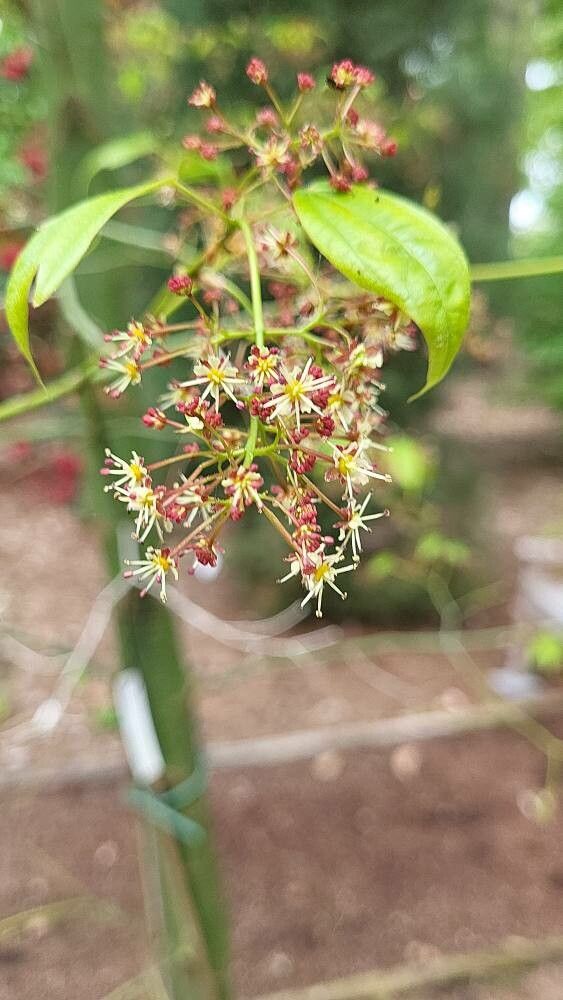
Ah, Acer calcaratum! If you’re looking for a touch of elegance in your garden, this maple is a real stunner. Its delicate, lobed leaves and graceful form just whisper sophistication. And let me tell you, coaxing a brand new life from a seasoned tree is one of life’s quiet joys, isn’t it? While Acer calcaratum can be a bit more discerning than some of the common shrubs, don’t let that put you off. With a little patience and care, it’s a wonderfully rewarding endeavor.
The Best Time to Start
For the highest chance of success with Acer calcaratum, I always reach for my secateurs in late spring or early summer. This is when the plant is in its active growth phase. You’re looking for new growth that’s become slightly firm – what we call “semi-ripe” cuttings. They’ll be flexible enough to bend without snapping but have developed enough woody tissue to hold their shape and resist wilting too quickly. Avoid taking cuttings from very soft, watery new shoots or from fully mature, woody stems from the previous year; neither will typically root well.
Supplies You’ll Need
Here’s what I like to have on hand before I begin:
- Sharp, sterilized pruning shears or a clean knife: For making clean cuts.
- Rooting hormone powder or gel: This really gives your cuttings a boost.
- A well-draining potting mix: I often use a blend of perlite and peat moss, or a commercial seed-starting mix. Good drainage is key to preventing rot.
- Small pots or propagation trays: Clean and ready to go.
- A plastic bag or clear propagator lid: To create a humid environment.
- A spray bottle: For misting.
- Optional: Bottom heat mat: Can significantly speed up rooting.
Propagation Methods
While Acer calcaratum can be a bit particular, stem cuttings are generally the most successful method for home gardeners.
- Select Your Cuttings: Look for healthy, vigorous branches with that semi-ripe growth I mentioned. Make your cuts just below a leaf node (where a leaf attaches to the stem). Each cutting should be about 4-6 inches long and have at least two or three leaf nodes.
- Prepare the Cuttings: Gently remove the lower leaves, leaving just a couple at the very top. This prevents leaves from rotting when they’re in the soil. If the remaining leaves are very large, you can carefully trim them in half to reduce water loss.
- Apply Rooting Hormone: Dip the cut end of each cutting into your rooting hormone. Tap off any excess.
- Pot Them Up: Fill your small pots or trays with your chosen potting mix. Make a small hole in the center of the mix with a pencil or your finger.
- Insert the Cuttings: Gently place the hormone-coated end of the cutting into the hole and firm the soil around it. Make sure at least one leaf node is buried beneath the surface.
- Water Gently: Water the soil thoroughly but with a gentle stream so you don’t disturb the cuttings.
- Create Humidity: Place the pots inside a clear plastic bag, sealing it loosely, or cover with a propagator lid. This traps moisture and creates a humid environment that the cuttings need to prevent wilting.
The “Secret Sauce” (Pro Tips)
Now for a couple of little tricks that have served me well over the years:
- Never let those top leaves touch the soil! If they rest on the damp potting mix, they’re practically inviting fungal diseases to sneak in. Keep them elevated, even if it means the stem is slightly less buried.
- Bottom heat is a game-changer for maples. Placing your propagation tray on a gentle bottom heat mat (around 70-75°F or 21-24°C) encourages root development much faster. It mimics a warm soil temperature and really gives your cuttings a head start.
Aftercare & Troubleshooting
Once your cuttings are potted, place them in a bright spot out of direct sunlight. Mist them regularly with water, especially if they’re not in an enclosed propagator. Check the soil moisture; it should be consistently moist but not waterlogged.
You’ll know your cuttings have taken when you see signs of new leaf growth. This can take anywhere from 4 to 12 weeks, sometimes longer. Gently tug on a cutting – if there’s resistance, you’ve got roots!
The most common problem is rot. If you see stems turning black and mushy, it’s usually a sign of too much moisture and not enough air circulation. Remove affected cuttings immediately and ensure your soil is well-draining. Another sign of failure is if the cuttings simply wilt and shrivel, which means they’re drying out too quickly and haven’t been able to form roots. This is often due to low humidity or being in a spot that’s too hot or dry.
A Encouraging Closing
Don’t be discouraged if your first attempts aren’t a resounding success. Gardening is a journey of learning and observing. Be patient with your little Acer calcaratum cuttings, give them the best environment you can, and enjoy the thrill of watching them unfurl their first new leaves. Happy propagating!
Resource:
https://identify.plantnet.org/k-world-flora/species/Acer%20calcaratum%20Gagnep./data