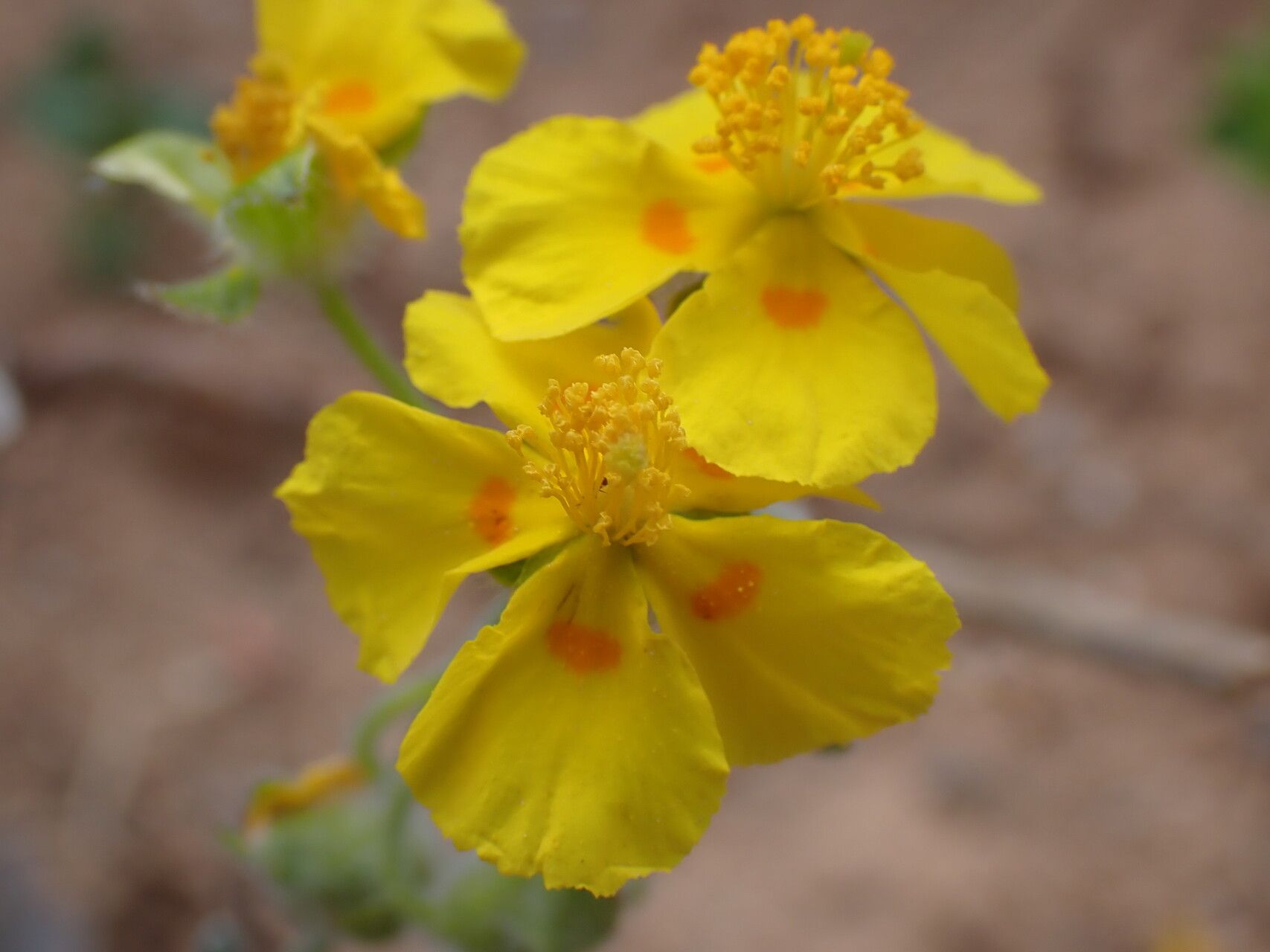
Hello fellow plant enthusiasts! Today, we’re going to dive into the wonderful world of propagating Helianthemum caput-felis, or as it’s often charmingly called, the Cat’s Head Rock Rose. This little gem is a stunner in any garden, with its delicate, sun-loving blooms that truly brighten up dry, sunny spots. If you’ve ever admired its beauty and wished you could have more, you’re in luck! Propagating these beauties is surprisingly rewarding, and while it has a few quirks, it’s definitely achievable, even for those just starting out with propagation.
The Best Time to Start
For the highest chance of success with Helianthemum caput-felis cuttings, I find that late spring to early summer is your sweet spot. After the initial flush of spring blooms has passed, the plant is usually in a good growth phase. You’ll be looking for new, semi-hardened stems – not the super soft, floppy new growth, nor the old woody bits. Think of it as the “just right” stage, when the stem is firm but still flexible.
Supplies You’ll Need
Gathering your supplies beforehand makes the whole process a breeze. Here’s what I always have on hand:
- Sharp pruning shears or a clean, sharp knife: Cleanliness is key to preventing disease.
- Rooting hormone (powder or gel): This is a real confidence booster for cuttings.
- Small pots or trays: Clean containers with drainage holes are a must.
- A well-draining potting mix: I usually mix roughly equal parts perlite, coarse sand, and a good quality potting compost. You want something airy that won’t hold too much moisture.
- A plastic bag or clear propagator lid: This creates a humid environment for your cuttings.
- Soft water or rainwater: Tap water can sometimes be a bit harsh for delicate cuttings.
Propagation Methods: Stem Cuttings are Your Friend!
For Helianthemum caput-felis, my go-to method, and the one I find consistently successful, is taking stem cuttings. It’s straightforward and gives you a great return.
- Take Your Cuttings: Head out to your Cat’s Head Rock Rose when the time is right. Look for those healthy, semi-hardened shoots. Aim for cuttings about 4-6 inches long. With your sharp shears, make a clean cut just below a leaf node (where a leaf meets the stem). Remove the lower leaves, leaving just a few at the top.
- Prepare the Cuttings: Gently dip the cut end of each cutting into your rooting hormone. Tap off any excess – you don’t need a thick coating.
- Plant Them Up: Fill your clean pots or trays with your prepared, well-draining mix. Make a small hole with your finger or a pencil. Insert the cut end of the cutting into the hole, gently firming the soil around it so the cutting stands upright. You can put several cuttings into one pot, spaced a couple of inches apart.
- Create a Humid Environment: Water the soil gently until it’s moist but not waterlogged. Then, place the pots into a clear plastic bag, sealing it loosely, or cover them with a clear propagator lid. This traps moisture and creates the humid microclimate that cuttings love.
The “Secret Sauce” (Pro Tips)
Over the years, I’ve learned a few little tricks that really seem to help cuttings take off.
- Bottom Heat is Your Buddy: If you have a heated propagator mat, use it! Warming the soil from below encourages root development much faster. Even a sunny windowsill can provide a bit of warmth, but if you can boost it, do.
- Don’t Drench, Mist: While you want it humid, keep an eye on the soil. If it looks particularly wet, open the propagator lid or bag for a few hours to allow some air circulation. Overwatering is the quickest way to rot them off. Occasional misting is often better than drowning.
- Patience and Patience: Some plants are lightning-fast rooters, but Rock Roses can be a little more contemplative. Give them at least 4-6 weeks before you start gently tugging to check for resistance.
Aftercare & Troubleshooting
Once you start seeing signs of new growth – tiny leaves appearing at the top – that’s a great indicator that roots are forming. You’ll also notice the cuttings look perkier and may even resist a gentle tug.
Continue to keep them in their humid environment for another week or two, then gradually acclimate them to normal room humidity by opening the bag or lid a little more each day. Keep the soil consistently moist, but never soggy. Once they have a good root system, you can transplant them into their own small pots.
The most common issue you might encounter is rot. If your cuttings turn black and mushy at the base, or if you see mold on the soil, it’s a sign of too much moisture and not enough air. Unfortunately, these are usually a lost cause, but don’t despair! Just clean everything thoroughly and try again, focusing on better drainage and air circulation.
A Brighter, Bushier Garden Ahead!
There you have it! Propagating Helianthemum caput-felis is a wonderful way to expand your collection and share these cheerful plants with friends. Don’t be discouraged if your first attempt isn’t perfect. Gardening is a journey of learning and experimentation. Just remember to be patient, pay attention to your plants, and most importantly, have fun watching those tiny cuttings transform into established beauties. Happy propagating!
Resource:
https://identify.plantnet.org/k-world-flora/species/Helianthemum%20caput-felis%20Boiss./data